
Go to menu.
The Canadian real estate market started recovering in 2023 after a turbulent 2022. Home prices hit record highs in 2021–2022 before easing as the Bank of Canada (BoC) raised interest rates seven times. By spring 2023 prices began to stabilize and rise modestly, and by fall listing activity and sales were closer to balance, easing the intense competition seen in previous years.
Most of the pressures from 2022 eased during 2023, though mortgage affordability remained a major challenge due to persistently high interest rates. The BoC paused rate increases in March 2023 for the first time in a year, giving some relief to homeowners, but additional hikes that summer nudged many prospective buyers back to the sidelines and slowed transaction volumes.
With many economists now forecasting rate cuts in 2024, the question for buyers and sellers is whether this year will bring a fuller rebound in market activity. Some regions are already warming up, while others maintained steady demand throughout 2023.
For the 2024 edition of Where to Buy Real Estate in Canada, MoneySense collaborated with Zoocasa—an established consumer real estate search platform—to identify the best regions and neighbourhoods to buy property across the country.
Best places to buy real estate: National overview
The table below presents the top places to buy real estate in Canada, based on Zoocasa’s analysis of data from 45 regions. Use the table to compare benchmark prices, recent price growth, value scores, and estimated monthly mortgage payments. The data reflects market conditions through the end of 2023 and provides a national snapshot of affordability and recent trends.
| wdt_ID | Rank | Region | Province | Benchmark price (2023) | 1-year | 3-year | 5-year | Value | National average (+/-) | Sample mortgage payment |
|---|---|---|---|---|---|---|---|---|---|---|
| 1 | 1 | Greater Moncton | N.B. | $328,383 | 3% | 69% | 98% | 4.68 | -$405,933 | $1,706 |
| 2 | 2 | Saint John | N.B. | $286,592 | 3% | 48% | 60% | 4.36 | -$447,725 | $1,489 |
| 3 | 3 | Sault Ste. Marie | Ont. | $283,192 | 0% | 58% | 78% | 4.31 | -$451,125 | $1,471 |
| 4 | 4 | Fredericton | N.B. | $282,700 | -1% | 43% | 61% | 4.01 | -$451,617 | $1,469 |
| 5 | 5 | North Bay | Ont. | $397,292 | -4% | 63% | 84% | 3.89 | -$337,025 | $2,064 |
| 6 | 6 | Halifax-Dartmouth | N.S. | $519,217 | 1% | 54% | 84% | 3.79 | -$215,100 | $2,697 |
| 7 | 7 | St. John’s | N.L. | $327,942 | 3% | 18% | 17% | 3.67 | -$406,375 | $1,704 |
| 8 | 8 | Calgary | Alta. | $541,175 | 6% | 31% | 27% | 3.58 | -$193,142 | $2,811 |
| 9 | 9 | Bancroft and Area | Ont. | $492,167 | -4% | 58% | 96% | 3.54 | -$242,150 | $2,557 |
| 10 | 10 | Sudbury | Ont. | $430,450 | -2% | 40% | 68% | 3.49 | -$303,867 | $2,236 |
| 11 | 11 | Saskatoon | Sask. | $377,033 | 2% | 17% | 19% | 3.44 | -$357,283 | $1,959 |
| 12 | 12 | Winnipeg | Man. | $339,483 | -3% | 17% | 24% | 3.15 | -$394,833 | $1,764 |
| 13 | 13 | Montreal Metro Area | Que. | $512,850 | -2% | 31% | 56% | 3.1 | -$221,467 | $2,664 |
| 14 | 14 | Regina | Sask. | $309,775 | -3% | 8% | 6% | 3.05 | -$424,542 | $1,609 |
| 15 | 15 | Tilsonburg District | Ont. | $580,200 | -8% | 53% | 102% | 2.95 | -$154,117 | $3,014 |
| 16 | 16 | Rideau St. Lawrence | Ont. | $543,450 | -7% | 43% | 87% | 2.93 | -$190,867 | $2,823 |
| 17 | 17 | Edmonton | Alta. | $370,100 | -4% | 8% | 6% | 2.82 | -$364,217 | $1,923 |
| 18 | 18 | Kingston and Area | Ont. | $549,483 | -7% | 37% | 67% | 2.78 | -$184,833 | $2,854 |
| 19 | 19 | Quinte and District | Ont. | $562,958 | -8% | 42% | 79% | 2.77 | -$171,358 | $2,924 |
| 20 | 20 | Vancouver Island | B.C. | $669,683 | -5% | 45% | 58% | 2.76 | -$64,633 | $3,479 |
| 21 | 21 | Grey-Bruce-Owen Sound | Ont. | $557,008 | -9% | 41% | 76% | 2.71 | -$177,308 | $2,894 |
| 22 | 22 | Huron-Perth | Ont. | $557,200 | -9% | 41% | 85% | 2.68 | -$177,117 | $2,895 |
| 23 | 23 | Windsor Essex | Ont. | $568,583 | -8% | 39% | 78% | 2.65 | -$165,733 | $2,954 |
| 24 | 24 | Simcoe and District | Ont. | $562,917 | -8% | 35% | 71% | 2.6 | -$171,400 | $2,924 |
| 25 | 25 | London and St. Thomas | Ont. | $597,358 | -10% | 37% | 76% | 2.46 | -$136,958 | $3,103 |
| 26 | 26 | Kawartha Lakes | Ont. | $665,767 | -9% | 42% | 69% | 2.42 | -$68,550 | $3,459 |
| 27 | 27 | Ottawa | Ont. | $633,333 | -5% | 25% | 59% | 2.41 | -$100,983 | $3,290 |
| 28 | 28 | Northumberland Hills | Ont. | $715,433 | -8% | 42% | 70% | 2.37 | -$18,883 | $3,717 |
| 29 | 29 | Lakelands | Ont. | $698,292 | -9% | 40% | 61% | 2.32 | -$36,025 | $3,627 |
| 30 | 30 | Brantford Region | Ont. | $677,008 | -10% | 41% | 74% | 2.32 | -$57,308 | $3,517 |
| 31 | 31 | Woodstock-Ingersoll | Ont. | $643,392 | -11% | 38% | 76% | 2.28 | -$90,925 | $3,342 |
| 32 | 32 | Niagara Region | Ont. | $646,550 | -11% | 36% | 65% | 2.23 | -$87,767 | $3,359 |
| 33 | 33 | Peterborough and Kawarthas | Ont. | $648,250 | -11% | 37% | 56% | 2.18 | -$86,067 | $3,368 |
| 34 | 34 | Chilliwack and District | B.C. | $722,625 | -9% | 36% | 40% | 2.15 | -$11,692 | $3,754 |
| 35 | 35 | Kitchener-Waterloo | Ont. | $740,275 | -8% | 33% | 63% | 2.11 | +$5,958 | $3,846 |
| 36 | 36 | Cambridge | Ont. | $747,767 | -9% | 34% | 66% | 2.1 | +$13,450 | $3,884 |
| 37 | 37 | Barrie and District | Ont. | $799,458 | -9% | 42% | 65% | 2.06 | +$65,142 | $4,153 |
| 38 | 38 | Victoria | B.C. | $870,592 | -5% | 32% | 38% | 1.98 | +$136,275 | $4,523 |
| 39 | 39 | Guelph and District | Ont. | $823,458 | -8% | 31% | 56% | 1.88 | +$89,142 | $4,278 |
| 40 | 40 | Hamilton-Burlington | Ont. | $844,108 | -9% | 29% | 52% | 1.75 | +$109,792 | $4,385 |
| 41 | 41 | Fraser Valley | B.C. | $1,002,783 | -7% | 40% | 34% | 1.66 | +$268,467 | $5,209 |
| 42 | 42 | Greater Toronto Area | Ont. | $1,118,867 | -6% | 32% | 48% | 1.36 | +$384,550 | $5,812 |
| 43 | 43 | Greater Vancouver | B.C. | $1,177,483 | -2% | 25% | 17% | 1.35 | +$443,167 | $6,117 |
| 44 | 44 | Mississauga | Ont. | $1,088,217 | -7% | 23% | 42% | 1.13 | +$353,900 | $5,653 |
| 45 | 45 | Oakville-Milton | Ont. | $1,289,633 | -7% | 31% | 43% | 0.83 | +$555,317 | $6,699 |
Source: Zoocasa
What’s shaping the Canadian real estate market in 2024?
Activity in 2023 was relatively steady overall, with a busy spring followed by a slowdown as borrowing costs rose. Five-year fixed mortgage rates climbed to multi-year highs in late 2023, prompting many buyers and sellers to delay decisions. According to CREA, 2023 residential sales were roughly 11% below 2022 levels, and prices softened year-over-year in many markets.
Carrie Lysenko, CEO of Zoocasa, notes that 2023 shifted the market from frenetic competition to a more considered pace: buyers had more room to negotiate, and sellers adjusted expectations. As inflation cooled toward the BoC’s target and interest rates began to ease from their October peaks, some buyers who had paused their plans became cautiously optimistic.
While most regions ended 2023 with lower year-over-year benchmark prices—particularly in Ontario and British Columbia—many Atlantic and Prairie markets showed stronger multi-year gains. An important development in 2023 was improved housing supply: months of inventory climbed from about 3.1 in January to 3.7 in December, giving buyers more choices and reducing upward pressure on prices. Future inventory trends will depend on buyer demand and the pace of new construction.
Canada’s top three real estate markets in 2024
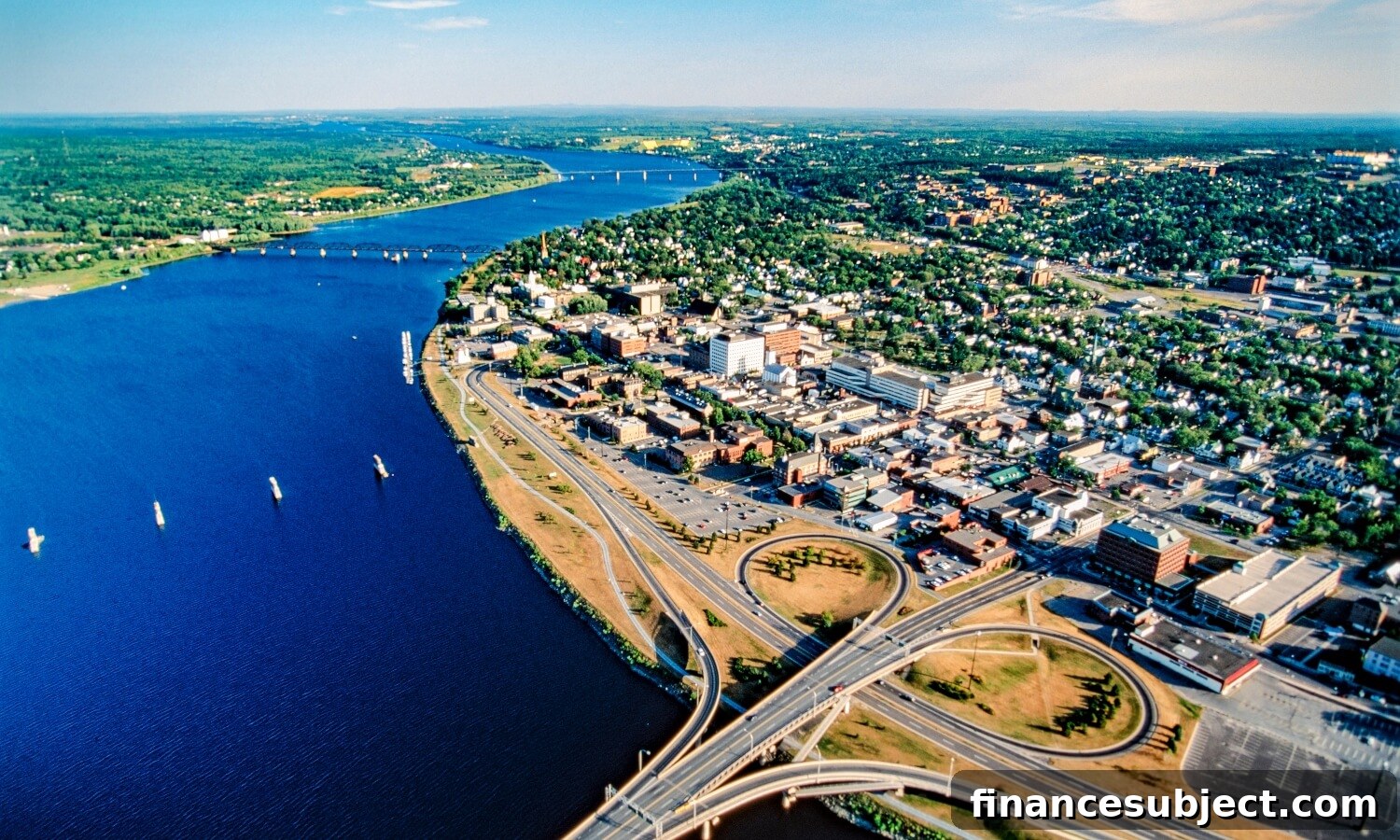
1. Greater Moncton, N.B.
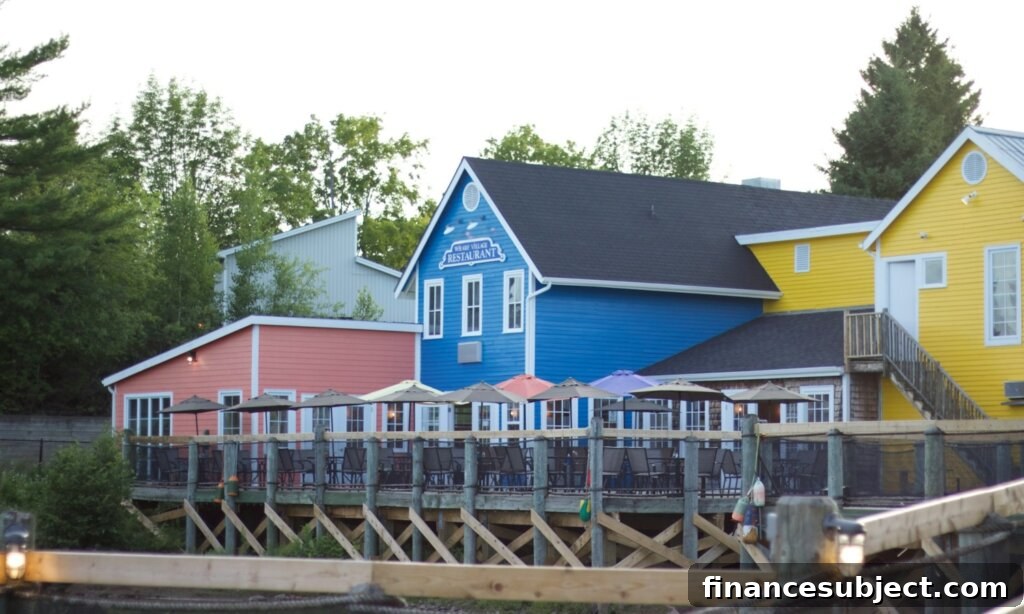
Greater Moncton, the economic hub of the Maritimes and one of Atlantic Canada’s largest metros, ranks first for affordability and value in 2024. Its 2023 benchmark price of $328,383 sits well below the national average, and the area earns the highest value score on our list. Steady economic growth, affordable housing and strong local demand have kept Moncton attractive to families, retirees and newcomers.
Recent market dynamics
Moncton’s benchmark price rose modestly in 2023, up 3% from 2022, after very strong gains in earlier years. Unlike many larger markets, Moncton’s price levels remained stable through the end of 2023, and the city set a new monthly benchmark record in December 2023. Local agents point to population growth and rising rents as drivers that attract both homeowners and investors.
Outlook
Expectations for lower interest rates in 2024 could revive buyer confidence and increase activity. Continued affordability compared with major Ontario and B.C. markets will keep Greater Moncton a compelling option for buyers seeking value without sacrificing amenities or employment opportunities.
2. Saint John, N.B.
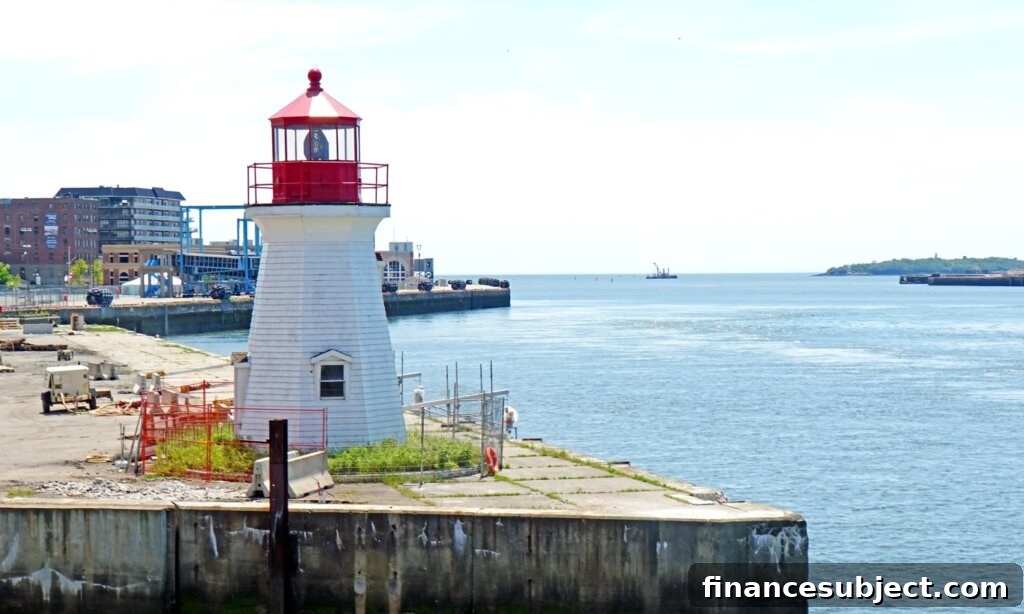
Saint John moved up this year thanks to affordable pricing and consistent gains in recent years. Its 2023 benchmark price was $286,592—well below the national average—but the city has shown steady appreciation over multi-year horizons. Buyers are drawn to Saint John’s coastal lifestyle, lower cost of living and emerging local investment and development initiatives.
Recent market dynamics
Population growth and improvements to local services are supporting the housing market, while interest-rate anxiety slowed activity in 2023. The most affordable segments—the under-$300,000 market—remained highly competitive, drawing first-time buyers and downsizers.
Outlook
Planned industrial and service expansions, combined with ongoing affordability, position Saint John for continued demand. If mortgage rates ease, buyer interest may strengthen further, helping inventory and transaction levels normalize.
3. Sault Ste. Marie, Ont.
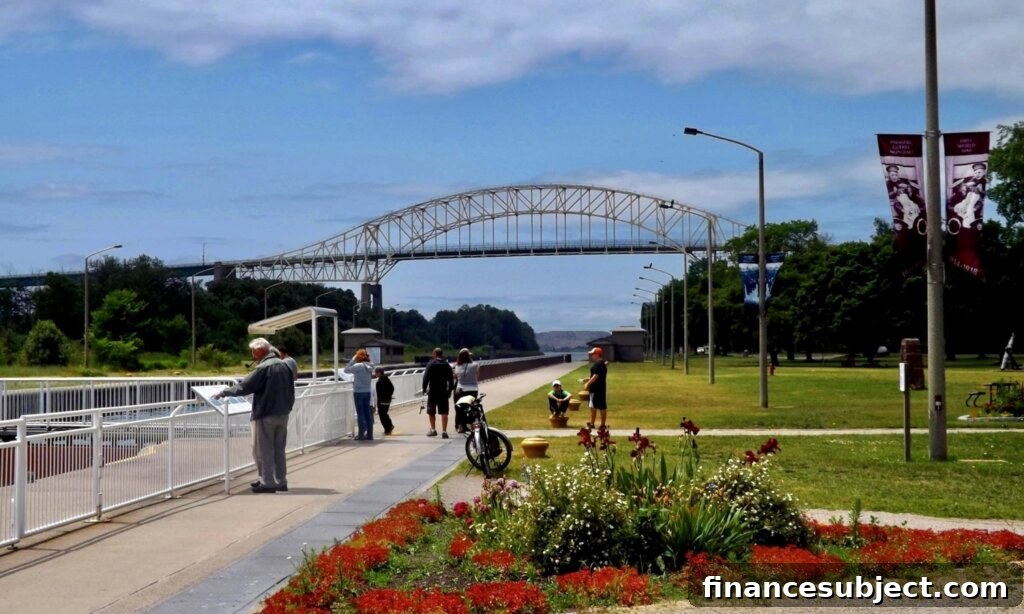
Sault Ste. Marie, known locally as “the Soo,” offers some of Ontario’s most affordable housing and rounds out the top three. With a 2023 benchmark price near $283,192 and a strong value score, the city has attracted out-of-town buyers and investors drawn to lower prices and a quieter lifestyle.
Recent market dynamics
Sault Ste. Marie saw rapid appreciation following the pandemic as buyers priced out of southern Ontario sought alternatives. Investors and increasing economic development add to long-term upside potential, and demand remains notable from both retirees and those seeking a lower-cost lifestyle.
Outlook
Future demand will depend on the pace of local job creation, student enrolment at regional colleges and continued affordability compared with southern Ontario. Given its strategic geography and development plans, Sault Ste. Marie is likely to remain an attractive market for buyers seeking value.
Methodology: How we determined the best places to buy real estate
Zoocasa analyzed CREA benchmark price data and additional regional sources to rank 45 Canadian regions. The rankings combine price levels, recent one-, three- and five-year growth rates, and a composite value score that favors affordability and steady growth. Neighbourhood assessments also include economics data—such as income, education and ownership rates—and accessibility measures like walk, transit and bike scores to reflect lifestyle and livability.
Data sources included Statistics Canada, CREA and regional real estate boards. Rankings reflect information collected in early 2024 and were developed to help buyers compare affordability, recent performance and long-term trends across Canada.
Return to menu.
Read more about buying a home:
- Mortgage affordability calculator
- The complete guide for first-time home buyers in Canada
- Where to find the first home savings account
- Buying a second home: How it works in Canada
This article was created by Zoocasa.
This is an unpaid article produced by a content partner and edited by MoneySense.
This article is presented by Ratehub.ca.
This editorial content is presented with financial support from an advertiser. The advertiser did not influence the article’s creation.