
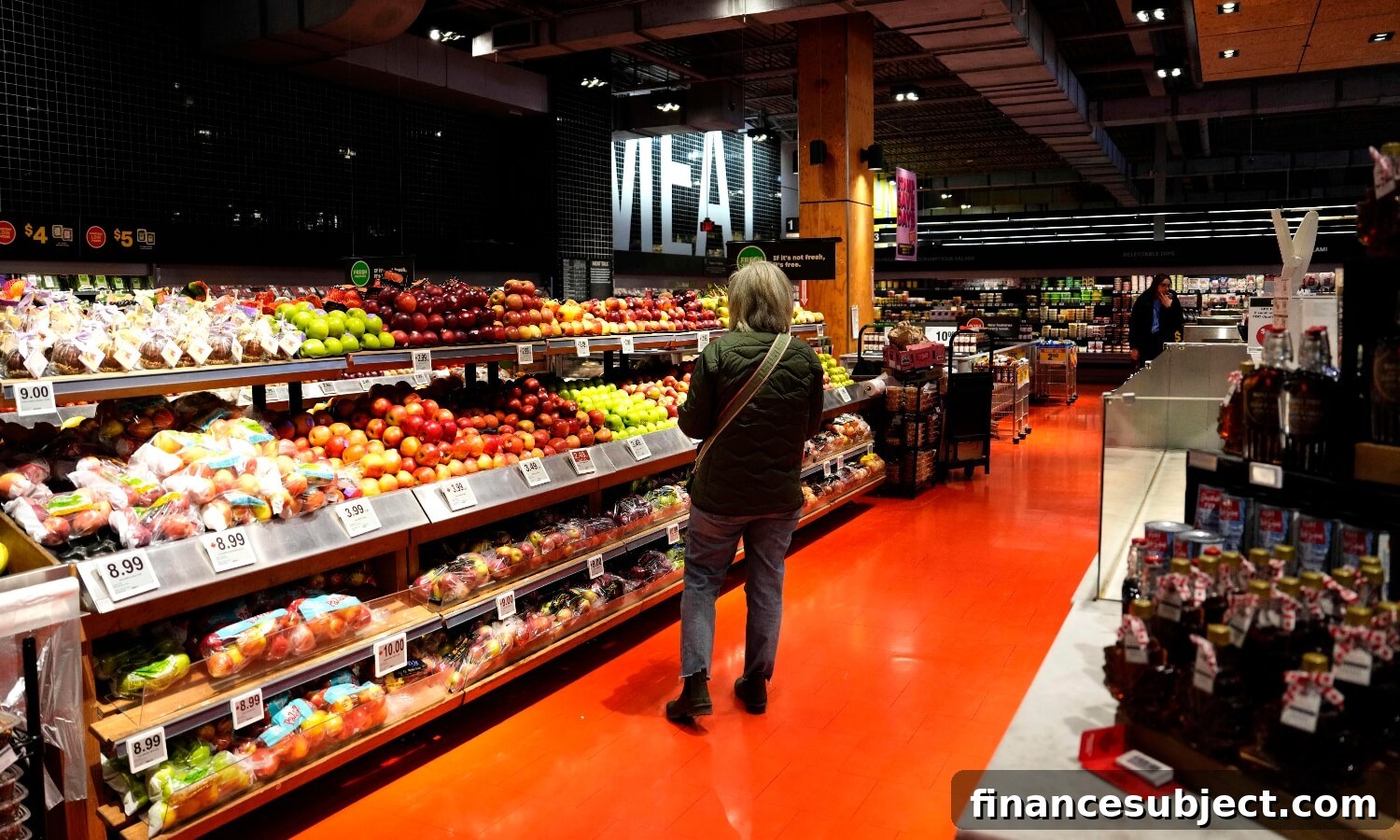
A wave of new discount-format stores helped drive higher profit at Loblaw Cos. Ltd. in the second quarter, as more shoppers seek lower-priced alternatives and private-label options. Chief executive Per Bank said the shift toward discount retail is a durable trend that the company expects to continue, and Loblaw is positioning itself to lead the market in Canada.
“Our hard discount stores are performing very well and continue to outpace the broader portfolio,” Bank told analysts on a conference call. He noted that customers are increasingly looking for promotions and private-label products, which has boosted traffic and sales at the grocer’s discount banners. “The global movement toward discount retail is long-term, and we are leading that trend here in Canada,” he added.
Earlier this year, Loblaw announced a CAD 2.2 billion investment plan to open 80 new grocery and pharmacy locations, including roughly 50 smaller-format discount stores. To date, the company has opened 20 new stores and launched 23 new pharmacy clinics as part of that expansion program.
Loblaw reports strong Q2 profit but holds off on raising outlook
Loblaw, the parent company of Loblaws and Shoppers Drug Mart, reported net earnings available to common shareholders of $714 million, or $2.37 per diluted share, for the quarter ended June 14. That compares with net earnings of $457 million, or $1.48 per diluted share, in the same quarter a year earlier.
Despite the strong quarterly performance, the company did not raise its full-year guidance. Chief financial officer Richard Dufresne told analysts that lingering uncertainty in the economic and retail environment made it prudent to maintain existing guidance for now. “There’s still a lot of uncertainty out there, so we thought it’d be more prudent to wait,” Dufresne said. He indicated the company could revisit guidance when it reports third-quarter results.
Bank also said Loblaw is strengthening its domestic supply chain, bringing another 130 Canadian vendors onto the company’s network to improve resilience and support local sourcing.
Rankings
Canada’s best credit cards for groceries
Tariffs and a push for Canadian-made products
Ongoing tariff disputes with the United States and a growing preference among shoppers for Canadian-made goods have prompted many grocers to expand local offerings. Loblaw has begun clearly identifying domestic products in stores and on its loyalty app, highlighting items affected by tariffs and marking alternatives to help customers find locally made options.
Bank said the “swap and shop” feature added to the loyalty app has helped shoppers identify tariff-affected items, support Canadian producers and save money. Sales volume for items labeled with a “T” — indicating tariff exposure — fell by more than 15 percent, underscoring the consumer response to higher-priced imported goods. “There’s some misconception that tariffs are no longer a factor in grocery,” Bank said. “Nothing could be further from the truth.” He added that about one-third of supplier cost-increase requests the company receives are related to tariffs.
Earnings per share, revenue and same-store sales
On an adjusted basis, Loblaw reported earnings of $2.40 per diluted share for the latest quarter, up from an adjusted $2.15 per diluted share a year earlier. That beat the average analyst expectation of $2.33 per diluted share, according to LSEG Data & Analytics.
Quarterly revenue rose to $14.7 billion from $13.9 billion a year earlier. Food retail same-store sales increased by 3.5 percent, reflecting the combined impact of new store openings, stronger same-store performance and promotional activity that drove higher customer engagement. Drug retail same-store sales rose 4.1 percent; pharmacy and health-care services were up 6.2 percent; and front-store sales increased 1.7 percent.
RBC analyst Irene Nattel described the results as “another solid quarter,” noting the company’s performance was ahead of forecast.
In a separate move, Loblaw announced a four-for-one stock split, citing the desire to keep its shares affordable and accessible for a wider range of investors. Over the past year, the company’s shares have risen more than 30 percent and were trading just above $220 at the time of the report.
Newsletter
Get free MoneySense financial tips, news & advice in your inbox.
Read more news:
- After MLSE deal, Rogers looks to trim costs and boost revenue
- The wealth gap in Canada is wider than ever
- CN reports higher Q2 profit but cuts outlook due to tariff concerns
- Shareholders push for ethical AI use at Canada’s biggest companies