

Kyle Prevost, creator of 4 Steps to a Worry-Free Retirement, Canada’s DIY retirement planning course, shares this weekly roundup of financial headlines with clear context for Canadian investors.
U.S. inflation unnerves the stock market
Investors had been expecting inflation to moderate this time of year, which would normally allow stock markets to settle into steady, modest gains or occasional pullbacks. Instead, recent U.S. inflation data shocked markets and prompted a quick correction. The U.S. consumer price index (CPI) rose 3.5% year-over-year in March 2024, with core CPI (which excludes food and energy) climbing 3.8%.
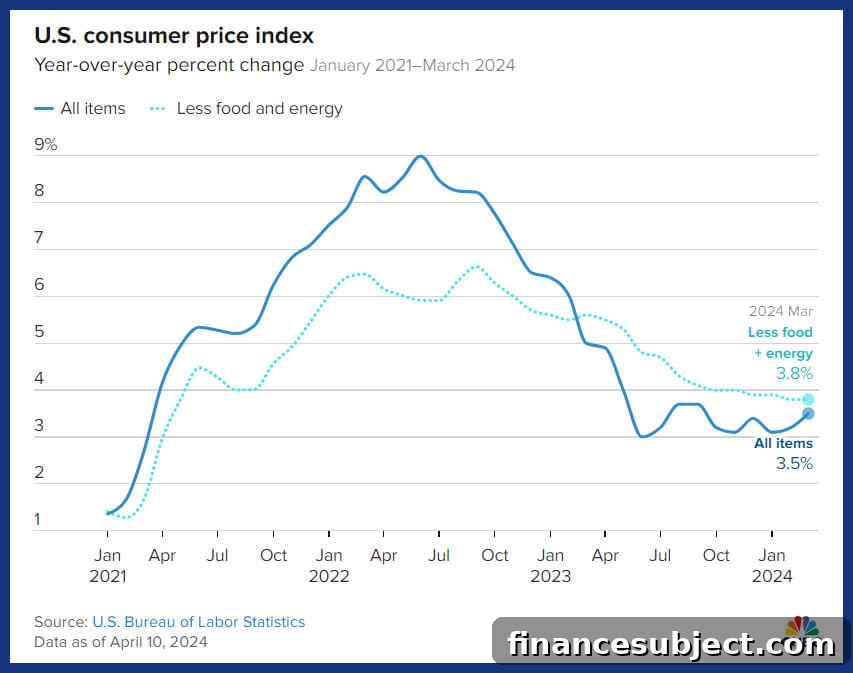
Shelter and gasoline costs were the largest contributors to the rise in CPI, accounting for more than half of the overall increase. On the positive side, prices for new and used cars declined compared with a year ago, and grocery prices remained largely unchanged. Most services, however, saw price increases.
U.S. officials noted progress compared with peak inflation, but cautioned that more work remains to bring costs down for households. The inflation report triggered market speculation that the Federal Reserve may push out expected rate cuts, and that debate has implications for Bank of Canada policy. The Bank of Canada chose to hold its policy rate at 5% in April, with the governor saying a June cut was possible only if core inflation continued to move down.
If the U.S. central bank delays rate reductions, it could put pressure on the Bank of Canada to maintain higher rates as well, since diverging policies would weigh on the Canadian dollar. In short, higher-than-expected inflation in the U.S. can ripple through global markets and influence Canadian interest-rate expectations and currency moves.
Travel demand remains strong
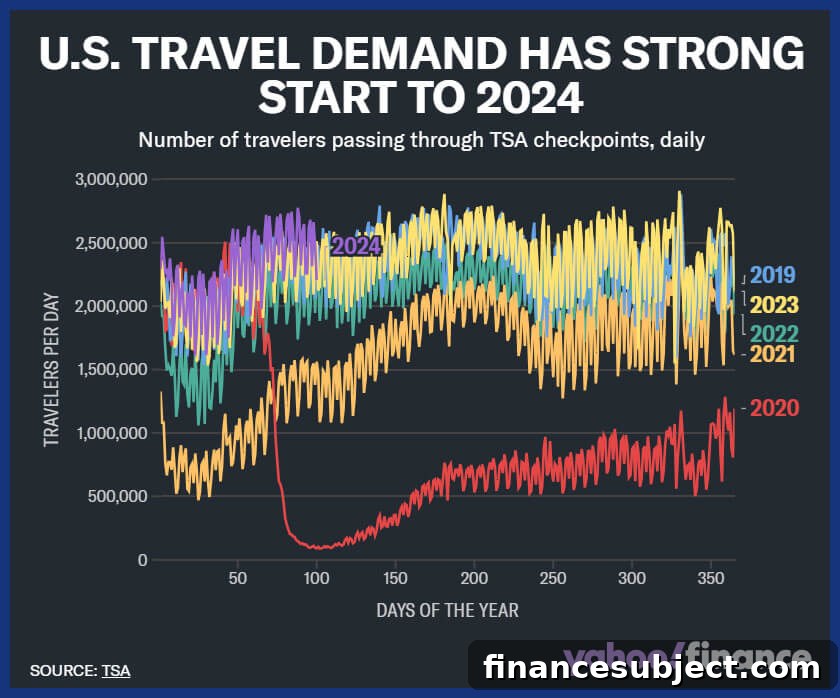
Airlines continue to benefit from robust travel demand. Delta Air Lines reported a solid first quarter, driven by greater leisure travel and a recovering business-travel segment. Management said consumers are prioritizing travel as discretionary spending, and capacity for the upcoming summer season is planned to be higher than last year.
Q1 earnings highlights
Delta reported stronger-than-expected results for the quarter.
Delta (DAL/NYSE): EPS of USD 0.45 versus consensus of USD 0.36. Revenue of USD 12.56 billion versus an estimate near USD 12.59 billion.
Other points from Delta’s update:
- Business travel continues to recover, up roughly 14% compared with last year.
- The company swung to profit after a loss in the same quarter a year earlier.
- Load factors reached record highs for a first quarter.
- Airfares rose slightly month-over-month but remain lower year-over-year.
With travel demand this strong, recession fears look less imminent—at least in areas tied to consumer spending on travel. Air Canada reported losses in late 2023 but has guided to a substantial core profit for 2024, reflecting how the sector’s recovery is uneven but generally positive.
Can AI investments pay off for investors?
The last five years have been a proving ground for artificial intelligence as an investment theme, but the results show how difficult it is to pick winners. Even if you correctly forecasted that AI would transform industries, dumping money into niche AI stocks or thematic ETFs doesn’t guarantee outperformance.
Some of the largest AI-focused ETFs did not beat broad market index funds over the recent period. Management expense ratios for these niche funds tend to be higher—often in the 0.68% to 0.75% range—which makes it harder for them to outperform over the long run. Among the group, one AI-themed ETF managed to outpace the broad S&P 500, but even it lagged behind the popular QQQ ETF that concentrates on the largest U.S. technology companies.
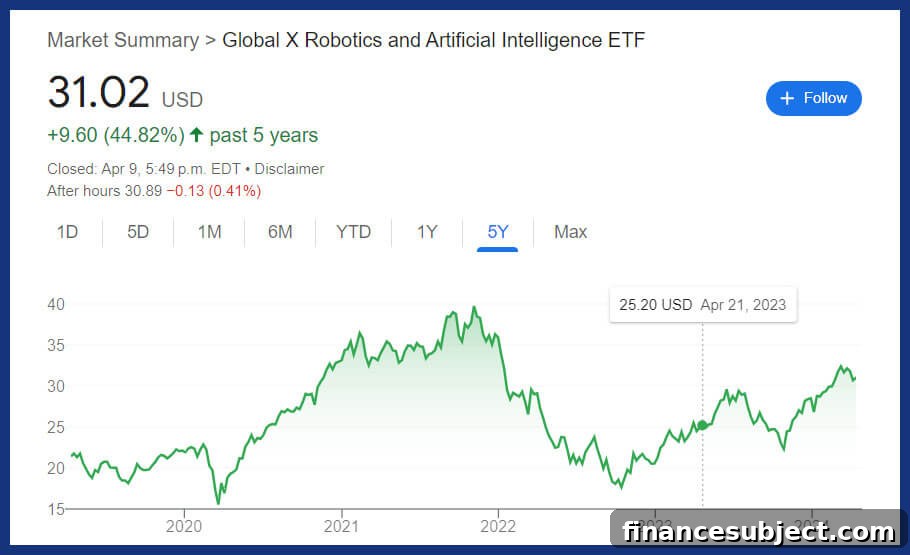
The takeaway: recognizing a powerful new technology is one thing; predicting which companies will capture the economic value is another. CEOs across industries now mention AI routinely, but broad adoption does not automatically translate into higher profits for every company. Some firms—platform and infrastructure providers that supply AI hardware and software—may capture outsized gains, while others use AI to drive incremental efficiency improvements.
For most investors, a diversified approach—using broad index funds—remains a sensible way to gain exposure to technological breakthroughs without betting on a narrow set of companies. Active bets on niche themes can work, but they come with higher risk and costs, and they require careful selection and monitoring.
Maximizing CPP and OAS: why timing matters
Research from the National Institute on Ageing highlights a persistent knowledge gap: many Canadians do not fully understand how the Canada Pension Plan (CPP) and Old Age Security (OAS) interact with retirement timing. A key finding is that delaying CPP from the earliest eligibility at 60 to age 70 can roughly double the monthly benefit—about a 2.2-times increase if you wait the extra decade.
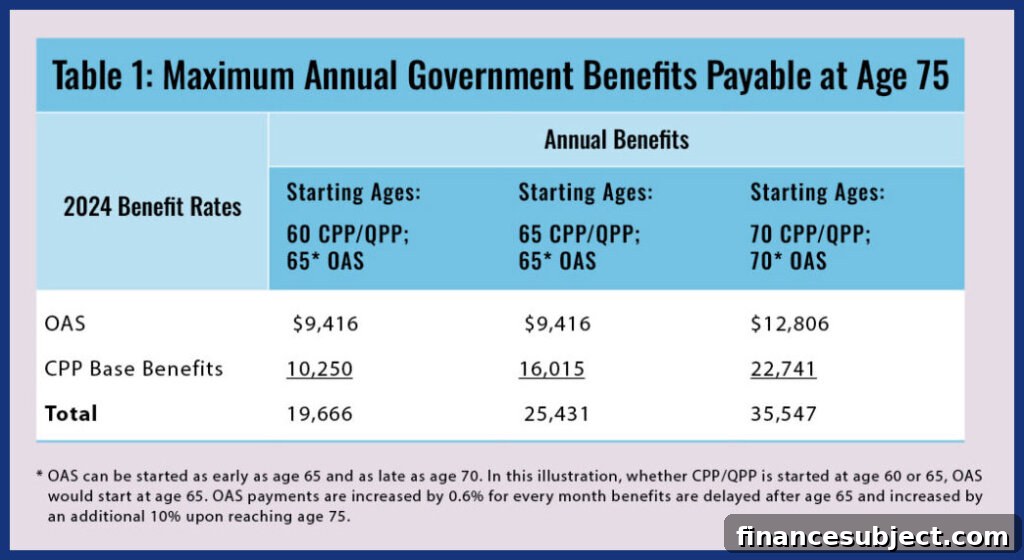
Because CPP and OAS payments are indexed to inflation and guaranteed for life, they are uniquely valuable building blocks in a retirement income plan. Delaying benefits increases the guaranteed portion of retirement income and can be especially valuable for retirees with longer life expectancy or those who have other sources of flexible income in the early years of retirement.
Understanding how CPP and OAS compound with delayed claiming is essential. Many Canadians inadvertently forgo substantial lifetime income by claiming too early, so it’s worth reviewing personal circumstances, longevity expectations, and other income sources before deciding when to start these pensions.
Further reading on investing and retirement
- How inflation might affect your retirement plans
- What is a cashable GIC and how it works
- Will GIC rates continue to rise?
- Delaying CPP and OAS to age 70: weighing the pros and cons