

Allan Small, Senior Investment Advisor at the Allan Small Financial Group with iA Private Wealth, reviews recent financial headlines and explains what they mean for Canadian investors.
No surprise: Canada’s inflation rate edged higher in August
Canada’s annual inflation rate rose to 4.0% in August from 3.3% in July, marking the highest reading since April, when inflation reached 4.4%. The increase was driven mostly by higher energy and shelter costs.
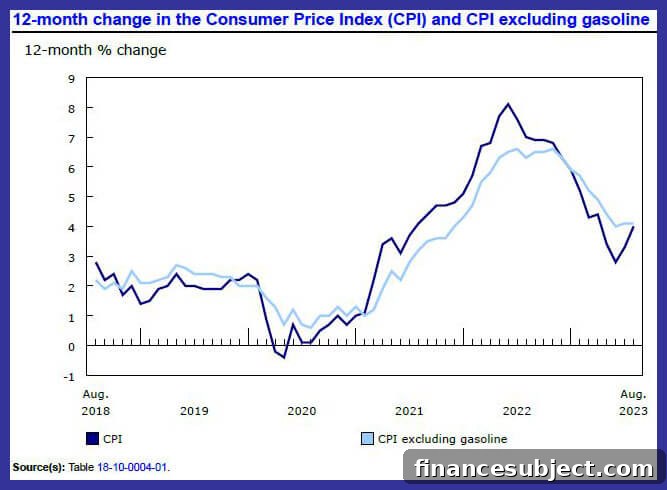
Gasoline prices were a notable contributor: pump prices increased 0.8% year over year in August after a 12.9% decline in July, representing the first annual increase since January 2023. Shelter-related costs also rose, with rents up about 6% year over year and mortgage interest costs surging nearly 31% YOY.
At the same time, food inflation showed signs of easing. Annual food costs rose 6.9% in August, down from 8.9% in July, which suggests grocery price pressures may be moderating after a period of outsized gains.
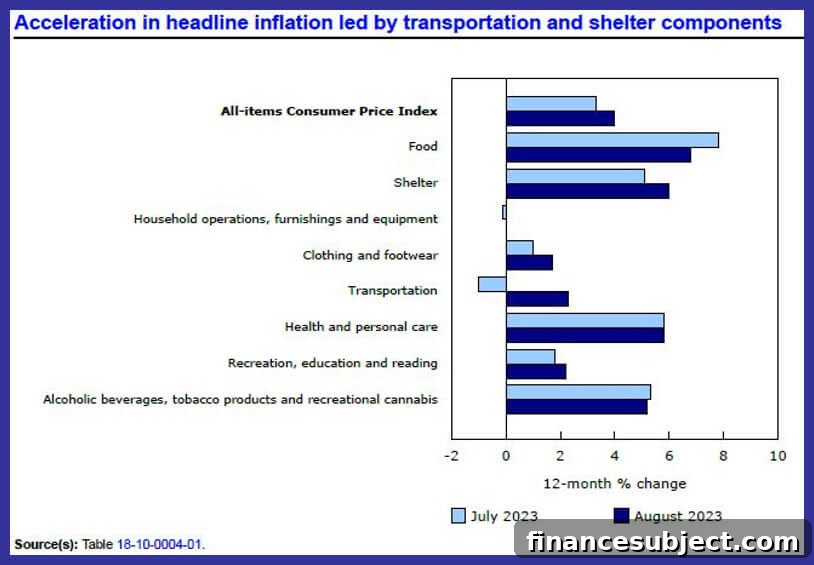
Core inflation in Canada—excluding food and energy—stood at 3.6% in August, a small uptick from 3.4% in July. For context, the U.S. annual CPI was 3.7% in August while U.S. core inflation was 4.3%, down from 4.7% in July.
Both Canada’s and the U.S. Federal Reserve’s inflation targets remain at 2%, so current readings are well above target. Yet inflation has come down substantially from the peaks that prompted the recent tightening cycle in monetary policy.
In my view, three structural forces have played a larger role than higher interest rates in easing inflation over the past 18 months: a decline in oil prices from earlier highs, a return of workers to the labour force after pandemic-related exits, and improvements in global supply chains. These factors helped reduce pricing pressures and have enabled central banks to aim for a soft landing for the economy.
That perspective shapes my view on future policy: I would prefer the Bank of Canada pause further rate hikes. Many Canadians are already strained by higher debt service costs, and continued rate increases risk deepening consumer stress and weakening demand further. On an everyday level, some households are dipping into savings or reallocating funds to cover high-interest debt—behaviors that could worsen if borrowing costs rise further or if the economy slips into recession.
The Bank of Canada has signalled it will prioritize bringing inflation down even if that raises the risk of slower growth. Personally, I’d accept slightly higher inflation around 3% if it preserves employment rather than pursuing an aggressive path toward 2% that could harm the labour market. For many households and businesses, that tradeoff matters.
Slide the columns right or left using your fingers or mouse to see additional monthly data, including June, July and August.
Canadian CPI/Core CPI by Month
| January 2023 | February 2023 | March 2023 | April 2023 | May 2023 | June 2023 | July 2023 | August 2023 |
| CPI 5.9% Core CPI 4.9% | CPI 5.2% Core CPI 4.8% | CPI 4.3% Core CPI 4.5% | CPI 4.4% Core CPI 4.4% | CPI 3.4% Core CPI 4.0% | CPI 2.8% Core CPI 3.5% | CPI 3.3% Core CPI 3.4% | CPI 4.0% Core CPI 3.6% |
U.S. CPI/Core CPI by Month
| February 2023 | March 2023 | April 2023 | May 2023 | June 2023 | July 2023 | August 2023 |
| CPI 6.0% Core CPI 5.5% | CPI 5.0% Core CPI 5.6% | CPI 4.9% Core CPI 5.5% | CPI 4.0% Core CPI 5.3% | CPI 3.0% Core CPI 4.8% | CPI 3.2% Core CPI 4.7% | CPI 3.7% Core CPI 4.3% |
The U.S. Federal Reserve holds rates steady
The U.S. Federal Reserve chose not to raise interest rates at its recent meeting, a move I and many market participants expected. Odds now look lower that the Fed will raise rates at its next meeting in November. Chair Jerome Powell continues to emphasize his commitment to bringing inflation down to 2% and has maintained a cautious, hawkish tone.
For markets, the decision was largely already priced in and had limited immediate impact on large-cap stocks. Large public companies typically have more resources to withstand slower growth than smaller businesses, which is a concern for the broader economy. Small firms may struggle to invest in productivity-enhancing technologies and could be more vulnerable to weaker demand.
For investors, the environment still offers buying opportunities. The S&P 500 has advanced materially year to date despite slower growth. Although recession talk persists, it has been delayed, and many North American equity investors have benefited from the market rally.
One concern is the Fed’s reliance on so-called “super core” measures that strip out particularly volatile categories such as food, energy and some shelter components. While excluding highly volatile items can help avoid overreacting to temporary shocks—such as sudden oil supply moves—energy costs permeate nearly every sector and can indirectly push prices higher across the economy. Ignoring those second-round effects risks understating broader inflationary pressure.
IPOs are returning to the market
After a quiet 2022 for initial public offerings, several high-profile listings signalled renewed confidence in public markets. Notable examples include Arm, the British chip-design firm that raised several billion dollars in a large IPO, and other technology and consumer companies exploring public listings.
A resurgence of IPO activity is generally positive because it reflects issuer confidence and offers new opportunities for portfolio diversification. That said, investors should approach IPOs with caution. Early enthusiasm can push prices above sensible valuations—Arm’s shares, for instance, jumped at debut and then pulled back shortly thereafter. A disciplined approach to valuation and an understanding of the company’s fundamentals remain essential when considering new listings.
What the United Auto Workers strike could mean for markets
In a rare coordinated action, the United Auto Workers launched a simultaneous strike targeting one assembly plant at each of the major U.S. automakers. The strike pressed for substantial wage increases, improved pensions and stronger job-security protections. Negotiations were ongoing and at the time of writing had not caused major market disruption.
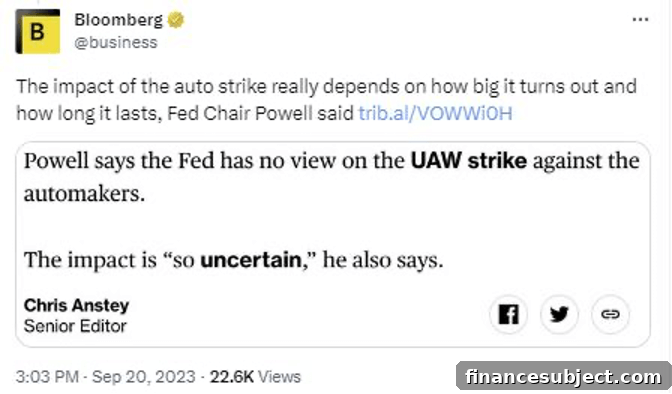
Even a relatively short strike can reduce production, force temporary layoffs, and tighten inventories of new vehicles. If a strike were prolonged, limited supply could push up prices for new and used cars, adding upward pressure to inflation and weighing on consumer spending. Some automakers have already warned of potential temporary layoffs if disruptions continue, which would amplify economic effects beyond the auto sector.
At present, equity markets have shown modest reactions—automaker shares dipped but largely remained within recent trading ranges. The key risk to watch is escalation or a protracted stoppage that meaningfully reduces output and spreads higher costs through supply chains.