
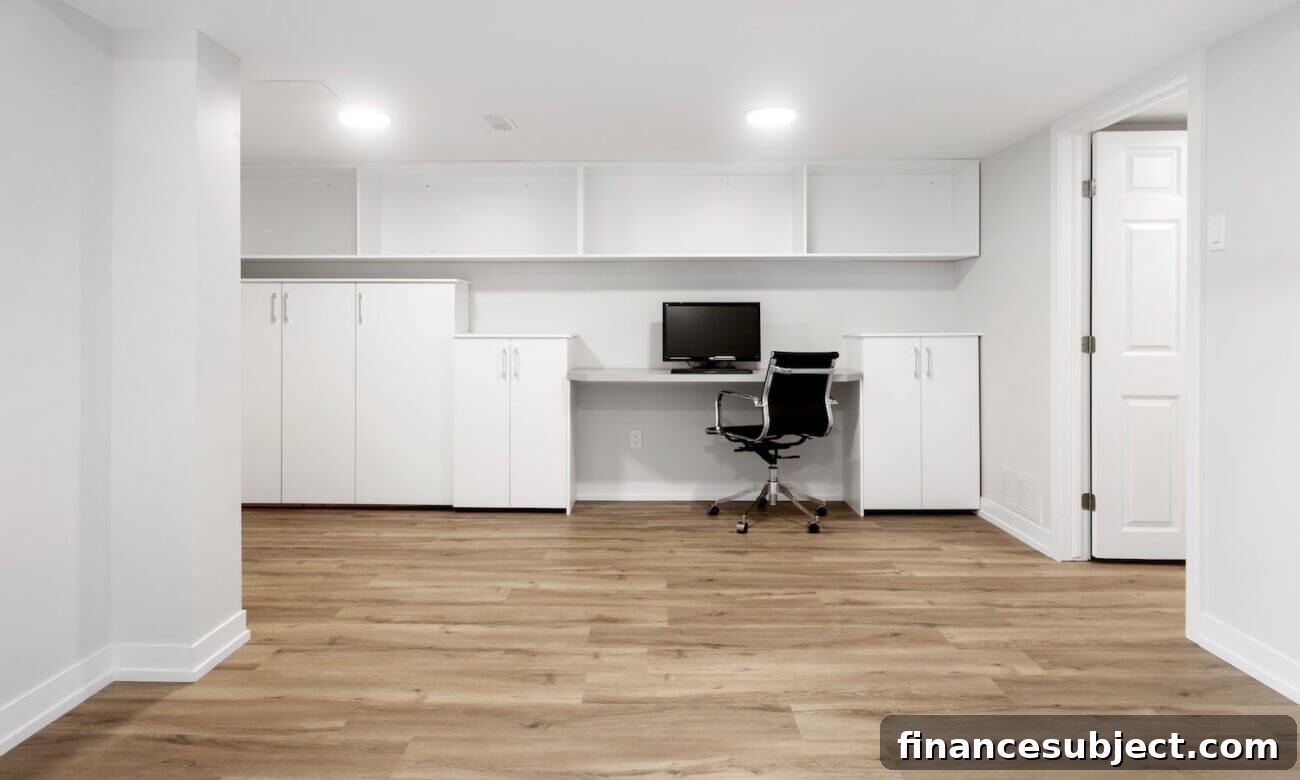
If you’re shopping for a home these days, you’ve probably seen listings that highlight income potential from a secondary suite or basement apartment. These two-unit properties can be practical—for instance, to house an elderly parent—and they often provide a steady rental income stream. But renting out part of your home brings legal and financial responsibilities. Before you buy or build a second unit, it’s important to know what makes a suite legal, what permits are required, and how a secondary suite affects taxes, insurance and property value.
What is a secondary suite?
A secondary suite is a private, self-contained living unit located on the same property as a primary residence. The term covers basement apartments, in-law suites, laneway houses and coach houses. To qualify as a secondary suite, the space generally needs its own kitchen and bathroom and a separate entrance. Most secondary suites are inside the main dwelling, but they can also be detached structures on the same lot.
Secondary units are commonly allowed in detached, semi-detached and row houses, though municipal rules vary. Local zoning and building bylaws determine whether and where a secondary suite is permitted.
Are all secondary suites legal?
No—many secondary units are unauthorized and do not meet the requirements for legal rental accommodations. Municipal approval and compliance with building codes are usually required to create and operate a secondary suite. These regulations exist to protect the safety and wellbeing of occupants and neighbours.
If you are buying a home with an existing suite or plan to add one, verify that the unit is registered or licensed with the municipality. Legalization typically requires inspections by building, fire and electrical officials and the issuance of appropriate permits. Without authorization, owners risk fines, orders to end tenancies or even having to remove or undo renovations. You will also need appropriate insurance coverage for a rental unit.
What’s required for a legal secondary suite?
Building codes and zoning standards for secondary suites are set by provinces, territories and municipalities across Canada, and the rules can differ depending on the jurisdiction. Common requirements include:
- Where secondary units are allowed on a property
- Minimum room sizes, ceiling heights and window requirements
- Adequate heating and ventilation
- Compliant plumbing, electrical and lighting systems
- Fire safety measures, such as smoke alarms and carbon monoxide detectors
- Proper exits, emergency escape routes and egress windows
Because municipalities apply and enforce local bylaws, a secondary suite can be legal in one neighbourhood and prohibited in another. Always check with your local government before buying or converting space into a rental unit.
Do you need a permit?
Yes. Building permits are an essential step if you intend to create a secondary suite in a single-family home. Permits formally authorize changes to the property and ensure that the work complies with safety and code requirements. Even if you are not doing major structural work, a permit may still be required if you change the use of a space.
Depending on the project, you might need separate permits for building, plumbing and electrical work. Approved plans and inspections protect you, future occupants and your investment.
What happens if you have an illegal secondary suite?
Operating or creating a two-unit dwelling without proper authorization can carry serious consequences. Municipalities can issue fines, force you to terminate rental agreements or order demolition or remediation work. Violations of fire or building codes can lead to substantial penalties and, in extreme cases, criminal charges.
For example, fire code violations may result in heavy fines and other penalties in some provinces. If you buy a property with an unauthorized suite and an incident—such as a flood or a fire—occurs while you own it, you could be held liable for non-compliance. Inspections can be triggered by neighbours, tenants or routine municipal reviews, so it’s wise to ensure a suite complies with codes from day one.
Are secondary suites worth the investment?
For many homeowners, rental income is the primary advantage of a secondary suite. Additional rent can offset mortgage payments, property taxes, maintenance and utilities. Other benefits include:
- Helping first-time buyers qualify for a mortgage or a larger loan
- Providing flexible living arrangements for seniors who want to remain independent
- Offering separate living quarters for adult children, caregivers or long-term guests
- Allowing homeowners to leave for extended periods while keeping the property occupied
That said, being a landlord involves obligations: tenant management, maintenance costs, compliance with tenancy laws, and understanding local regulations. Evaluate the time, effort and expense required before committing to a conversion or purchase.
How a second suite affects your finances
Adding a secondary unit can change your tax, insurance and property tax situation.
Rental income
Rental income must be reported on your tax return. Depending on the nature of the rental activity and the services you provide to tenants, rental revenue may be classified as personal rental income or business income, which affects how it is taxed. Typically, if you only provide a place to live without additional services, income is treated as rental income and taxed at your marginal rate.
Deductions
You can generally deduct expenses related to earning rental income. Some costs are deductible in the year they are incurred, while others must be capitalized and claimed over time. Expenses that cover the entire property—utilities, property tax, mortgage interest, insurance—are usually deductible in proportion to the portion of the home used for the suite. For example, if the suite occupies one-third of the house, you may be able to claim one-third of these expenses.
Property taxes
Secondary suites can increase a property’s assessed value, which may raise property taxes. The extent of any change depends on local assessment practices and the market in your area; in many cases, increases are modest, but it’s prudent to check with local assessment authorities.
Home insurance
When you add a rental unit, notify your home insurance provider. Insurers typically increase premiums to reflect higher liability and property values; premiums can rise significantly depending on coverage levels. Part of that increased insurance cost may be tax-deductible against rental income.
Buying or selling a home with a secondary suite
A legal secondary suite can make a property more attractive to buyers and add investment value, while also providing rental income to offset ownership costs. If you plan to buy a home with an existing suite or retrofit your own, require sellers to provide permits and documentation, and have the unit inspected before closing. If you are selling a property with a suite, disclose its legal status and provide records of permits, inspections and any municipal approvals.
Ultimately, a secondary suite can be a valuable asset when it is properly permitted, safe and managed in compliance with local regulations. Do your homework, follow the rules, and plan for the financial and operational responsibilities of renting.
Further reading
- Will you make money on your rental property?
- Is a vacation home a good investment?
- Mortgage rules when buying a second property
- Should you buy real estate through a corporation?
- Mortgage renewal considerations and calculators