
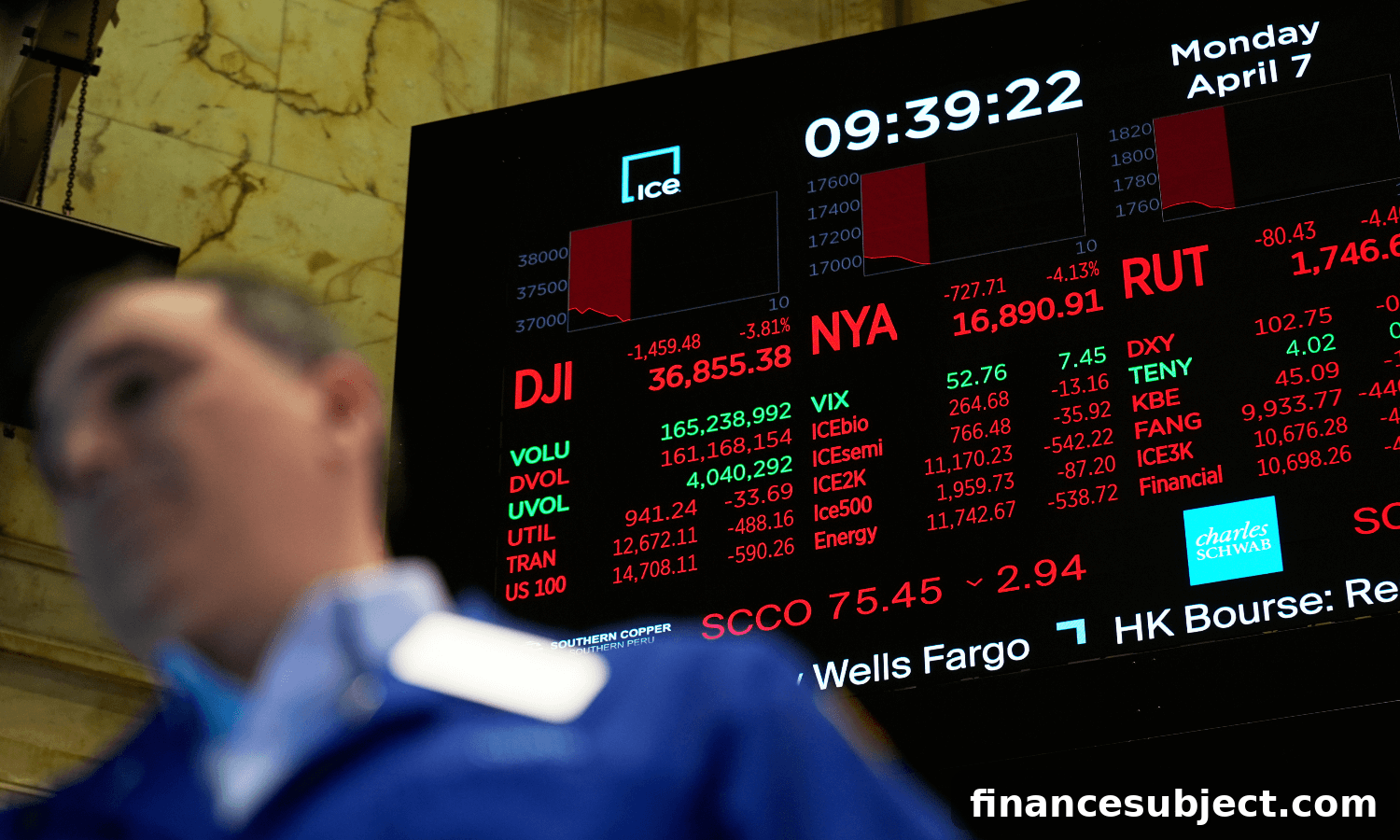
Three days of sharp market volatility after the U.S. announced sweeping tariffs is enough to unsettle any investor. For people in or near retirement, sudden market declines can feel especially threatening because they may worry they don’t have time to recover losses. But advisors stress that calm, considered decisions are far better than reacting to headlines.
Markets fell rapidly after the announcement of U.S. tariffs last Wednesday (April 2), producing double-digit drops in some indices over a short period. While those moves are worrying to watch, financial professionals advise avoiding hasty actions that can lock in losses or trigger unnecessary tax consequences.
“First and foremost, avoid panic selling,” says Tony Maiorino, head of RBC’s Family Office Services team. Retirees often assume their investment horizon is too short to recoup steep declines, yet many still have meaningful time and diversified portfolios that can recover. Missing the market’s best rebound days can materially reduce long-term returns, so maintaining exposure rather than exiting entirely is important for many people.
Consider the tax implications before selling assets
Rebalancing and withdrawal planning are especially important in retirement because many retirees rely on existing savings for income rather than ongoing contributions. Before selling investments to cover cash needs, review the tax consequences of different withdrawal strategies and prioritize which accounts to use.
Not all portfolios will mirror the dramatic headlines. Check with your advisor to understand how much of the market move has affected your specific holdings. For those managing alone, take time to research how selling investments could trigger capital gains, affect tax brackets, or change eligibility for government benefits.
Ideally, retirees maintain a short-term cash buffer of six to 12 months of living expenses. Having cash on hand reduces the need to sell equities during market downturns and gives you the option to buy assets at lower prices when markets recover.
Keep calm and avoid panic selling
Michael Pate, senior portfolio manager at Wellington-Altus Private Wealth Inc., emphasizes that a properly diversified, balanced portfolio is designed to limit the impact of equity declines. “Part of my role is calming clients and reminding them that asset allocation exists for a reason,” he says.
If market losses are causing sleepless nights, consider reducing equity exposure gradually rather than liquidating in panic. Pate recommends trimming positions to what he calls the “sleeping point”—a level of exposure that allows you to sleep at night while remaining invested enough to participate in future recoveries. The goal is to ease emotional stress without abandoning a long-term plan.
Tariff announcements and abrupt policy moves can trigger short-term dislocations that feel unpredictable. Although the political drivers behind a headline may seem unclear or arbitrary, history shows these shocks often normalize over time. Professional guidance can help you interpret the economic impact versus the immediate headline risk.
Tools
Find a qualified financial advisor near you
Search a directory of credentialed advisors who provide financial planning and investing services across Canada to get personalized advice for retirement and market volatility.
Avoid making decisions based on short-term swings
Reviewing asset allocation after the immediate shock subsides is sensible, but don’t let a two-day or two-month slump drive sweeping, permanent changes to your long-term plan. Rebalancing should be part of an ongoing, systematic approach, not a reaction to transient market swings.
When adjusting portfolios, consider a measured path: review your risk tolerance, time horizon, income needs, and tax situation. If you work with a financial advisor, have that professional model different withdrawal and rebalancing scenarios so you can see the potential long-term effects of each choice.
Focus on the long-term investment horizon and the reasons you adopted a particular allocation in the first place. Market episodes like this tend to feel unique and more threatening than previous ones, but history shows diversified portfolios generally recover over time. Staying disciplined helps preserve the potential for recovery and growth.
Also read
The best robo-advisors in Canada: Which one tops our list
Read more economic news:
- Canadian companies facing supply-chain challenges in wake of U.S. tariffs
- How Canadians are responding to tariff threats and price increases
- Inflation’s surprise jump and the Bank of Canada’s policy outlook
- How to prepare for possible job loss in Canada