
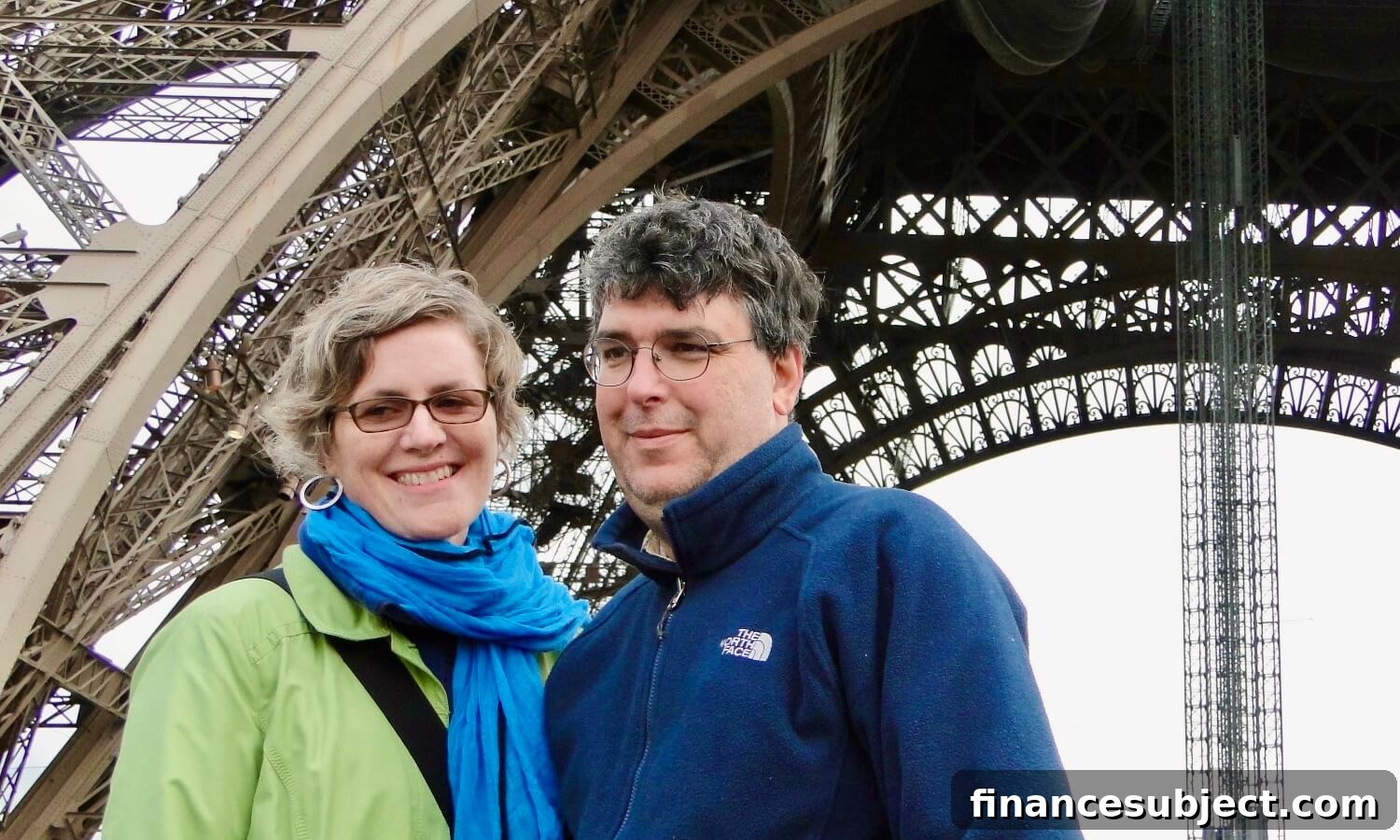
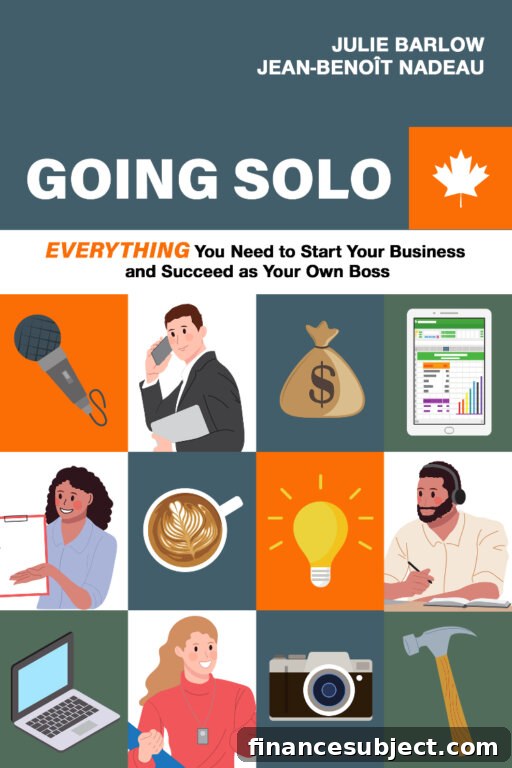
In recent years, thousands of Canadians have taken on side gigs or launched new businesses. A QuickBooks study found that one in four small businesses in Canada were started during the pandemic. Self-employment comes with a steep learning curve, and Montreal-based freelance writer Julie Barlow is a good example of someone who learned it well. Barlow is a magazine journalist, a French translator and the author of eight non-fiction books. Her most recent title, Going Solo: Everything You Need to Start Your Business and Succeed as Your Own Boss (Sutherland House), co-written with her husband Jean‑Benoît Nadeau, was published in September. The book offers a practical guide to self-employment in Canada. Below, Barlow shares her experience with entrepreneurship, saving, spending and when it makes sense to invest in your own business.
Who is your money hero?
My money role model is my father-in-law, Yvan Nadeau, who co-founded a major engineering firm in Quebec. He taught me two important lessons: plan and save for retirement, but don’t be afraid to take calculated risks and invest when the opportunity is right—even if that means borrowing. His blend of thrift and entrepreneurial boldness influenced much of what Jean‑Benoît and I write about in Going Solo.
How do you like to spend your free time?
I stay active: cross-country skiing, roller skiing, swimming, hiking, plus Pilates and tai chi. I also enjoy hosting friends for dinner. Writing is a very sedentary profession, so I prioritize movement. Being active and cooking at home are both affordable ways to maintain health and community.
If money were no object, what would you be doing right now?
I would be doing exactly what I do now—writing books—just without the stress of covering bills. Creative work is its own reward for me.
What was your first memory about money?
At 12 I saved for a year to pay for a swim camp in Michigan. That experience taught me to set ambitious goals, plan, and follow through.
What’s the first thing you remember buying with your own money?
A vinyl record by Queen. As a teenager I worked in a music store and spent most of my earnings on records and concerts. Those early obsessions helped launch my journalism career, since I started out writing music reviews.
What was your first job?
At 15 I worked as a busgirl in a local restaurant. I loved the teamwork and rhythm of the place. I’m fairly sure the first paycheque bought another record.
What was the biggest money lesson you learned as an adult?
When I began writing professionally in the 1990s, grants and book advances were larger, so I didn’t track expenses closely. That changed by 2013 when Jean‑Benoît and I spent a year in Paris to research a book and a grant I expected didn’t arrive. That year forced me to be disciplined with money. For anyone who’s self-employed, income is unpredictable year to year. Tracking expenses is essential: it shows where you stand, where to cut back, and helps you plan for leaner times. In Going Solo we offer practical templates and tips for expense tracking.
What’s the best money advice you’ve ever received?
Yvan advised me to start saving early. I opened an RRSP while still at university. If you plan to be self-employed long term, starting retirement savings early is crucial because you won’t have an employer pension.
What’s the worst money advice you’ve ever received?
I once took out more travel and health insurance than I needed because I wanted security. Looking back, I should have been more selective. Being overly cautious on insurance cost me money I could have used elsewhere.
Would you rather receive a large sum all at once or smaller payments for life?
I’d choose a large lump sum and use it to fund new book projects and other creative investments.
Rankings
Compare the best bank accounts for side hustles
What is the biggest misconception people have about growing money?
Many people assume real estate will always deliver outsized returns. They forget that if you sell your home you still need a place to live, which can be expensive. Unless you own rental properties, consider a primary residence more as a form of savings and stability than a pure investment. For entrepreneurs, however, home equity can be a useful way to finance a new business.
Can you share a money regret?
Financially, I regret selling my first house in my 20s just before Montreal’s market surged. I moved to France for a great professional opportunity and didn’t want the hassle of maintaining a house back home, but that property would be worth much more today. That said, moving was the best career decision I ever made, and I later bought another house, so it’s hard to dwell on regret.
What does the word “value” mean to you?
Value improves my life in tangible ways. I spend generously on running shoes and sports gear because being active enhances my wellbeing. I prefer to invest in things that help me stay healthy and engaged.
What’s the first major purchase you made as an adult?
Buying that first house was my first big purchase. My husband and I put years into finding and renovating it. Although we sold it for the right reason—an important career opportunity—I learned that following your instincts sometimes matters more than optimizing every financial detail.
What’s your take on debt?
Debt isn’t inherently bad. For worthwhile projects, taking on reasonable debt can be necessary. Entrepreneurs should accept some borrowing as part of building a business, provided it’s managed carefully.
What was your most recent splurge?
I spent a month in Paris researching a book. Whether that counts as a splurge or an investment depends on how the book performs.
What is the last money-related book you read?
The Paradox of Choice: Why More Is Less by Barry Schwartz. It explores how excess choice increases stress and encourages simpler, more deliberate consumption. Excess buying harms both the wallet and the environment. I’m not strictly frugal, but I do try to buy thoughtfully.
What is something you always have in your wallet?
My swimming pool membership card.
What is your favourite possession?
My cross-country skis, closely followed by my ski boots.
My MoneySense quick questions
Rent or own?
It depends on your stage of life and priorities.
Buy or lease?
That decision also depends on your circumstances.
Save or invest?
Both are important; balance them according to your goals.
Budget or not?
If you’re self-employed you may find strict budgets difficult—tracking expenses is more practical and revealing.
What’s your next money goal?
To pay off the last big splurge—the research trip to Paris.
Read more My MoneySense profiles:
- Money tips from Jordan Heath‑Rawlings: “Make sure you can afford a sudden expense”
- Tareq Hadhad on his investing journey and how Peace By Chocolate came to be
- Canada’s extreme couponer on saving for purchases and emergency funds
- Actor Isabel Kanaan on why overnight success and wealth feel similar
Newsletter