

Kyle Prevost, creator of 4 Steps to a Worry-Free Retirement, Canada’s DIY retirement planning course, summarizes recent financial headlines and provides perspective for Canadian investors.
You can’t handle the truth—Truth Social
This week many headlines announced that “Trump’s social media company will trade on the Nasdaq.” The reality is more complex than the sensational headlines suggest. If you want the short version: this story is dramatic and eye-catching, but it carries significant risks and complications. Serious Canadian investors should be cautious.
Here’s a concise explanation of how former president Donald J. Trump could profit from Truth Social and the important caveats investors should understand (all figures below are in U.S. dollars):
- Truth Social was the primary asset owned by Trump Media & Technology.
- Despite generating only about $3.4 million in revenue over nine months, Truth Social is on track to report roughly $49 million in losses.
- Digital World Acquisition (DWAC) is a SPAC formed in 2021 with the explicit purpose of raising capital to acquire Truth Social. SPACs are essentially blank-check companies created to buy or merge with an operating business.
- For several years DWAC traded without an established operating business, functioning mainly as a vehicle to facilitate a merger with Truth Social. The SPAC structure has been criticized for enabling speculative deals.
- The Securities and Exchange Commission approved the DWAC transaction to merge with Trump Media at an implied value near $5 billion.
- Following the merger, the combined entity now trades under the ticker DJT.
- On paper, the shares Trump received through the merger were initially valued at around $3 billion, and market moves quickly pushed that valuation higher.
- On the first trading day, DJT opened near $38, briefly spiked as high as $79, and closed around $58. Subsequent trading pushed the market capitalization higher, increasing the notional value of Trump’s stake into the billions.
- A standard lock-up period prevents insiders and major shareholders from selling their shares for six months after a public listing. This is intended to promote market stability and discourage sudden insider sell-offs.
- There are reports that Trump’s team is exploring ways to shorten or circumvent the lock-up through board actions or other mechanisms, which would allow earlier sales by insiders.
- If insiders remain locked in for six months, the market will test whether buyers are willing to pay today’s elevated prices for a company with limited revenue and significant legal and operational uncertainty. If demand fades, share values could fall dramatically before insiders can sell.
In short, this transaction looks driven largely by a mix of committed supporters and speculative traders hoping to profit from momentum rather than by a robust underlying business model. The long-term outlook depends on who holds the shares, whether the company can grow revenue and profitability, and how legal challenges play out. Both sides of the deal face ongoing legal scrutiny, which adds another layer of risk.
How is the original “meme stock” doing?
When we talk about stocks that move wildly for reasons beyond fundamentals, GameStop is still the poster child. After recent earnings, its shares fell sharply in after-hours trading when results disappointed investors.
GameStop earnings highlights
All figures are in U.S. currency.
- GameStop (GME: NYSE): Shares plunged after earnings per share and revenue missed consensus estimates, underlining the difficulty brick-and-mortar retailers face in a market that has shifted heavily to digital distribution.
The rise and fall of meme stocks like GameStop highlights a basic investing truth: purchasing shares of companies that consistently lose money is risky for long-term investors. Momentum can create outsized short-term moves, but fundamentals tend to matter over time.
Drill baby, drill—but only in the USA, please
Amid everything else, North American energy flows have shifted. The United States reached a record for daily oil production, surpassing previous highs and even rivaling top global producers. That trend contributed to sizable U.S. energy exports last year.
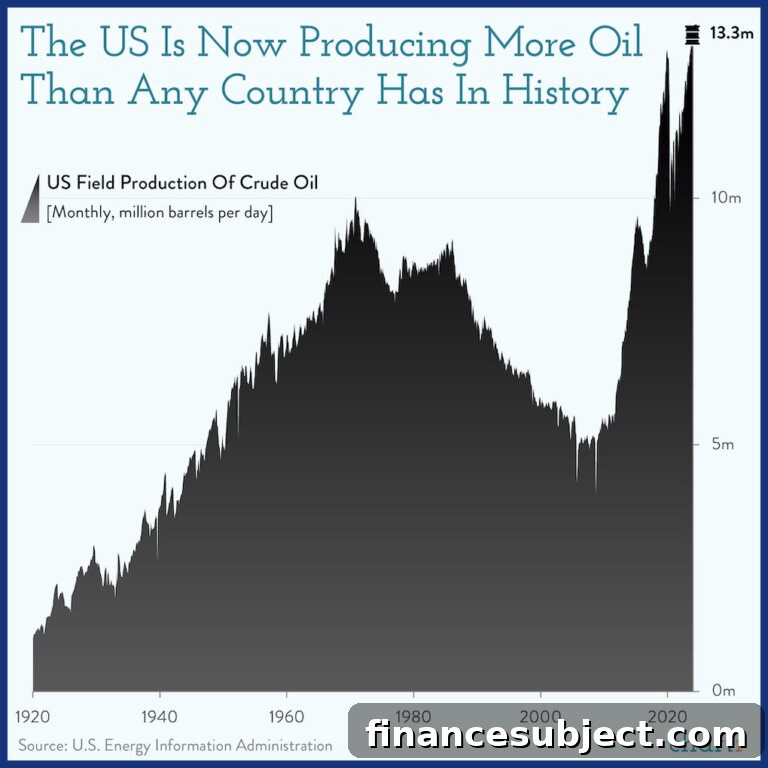
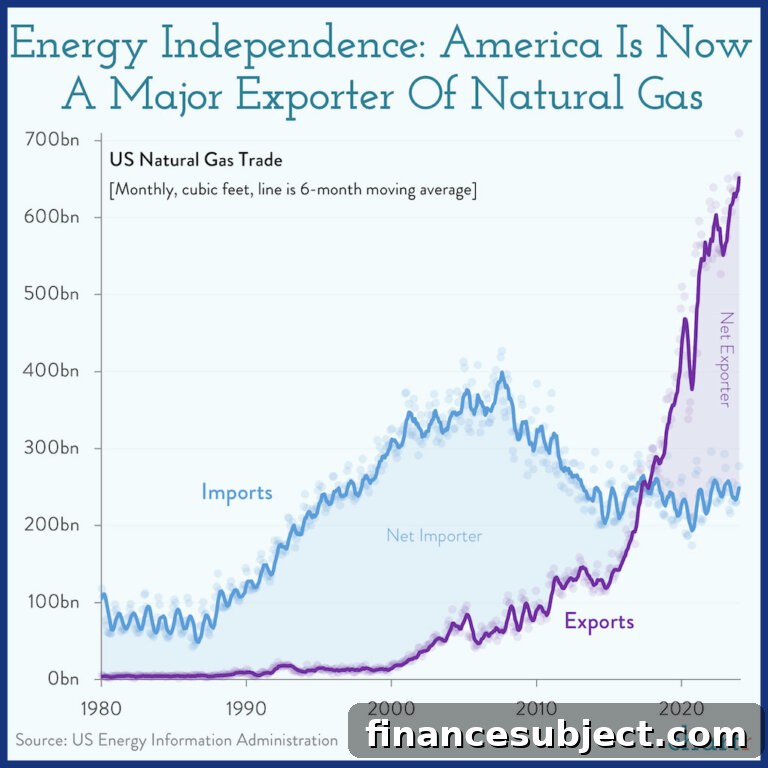
The U.S. has become a major oil and natural gas exporter, and investment continues to flow into American fossil fuel infrastructure and production. These shifts complicate global decarbonization efforts and mean that Canada’s choices on energy policy and exports interact with a much larger market dynamic.
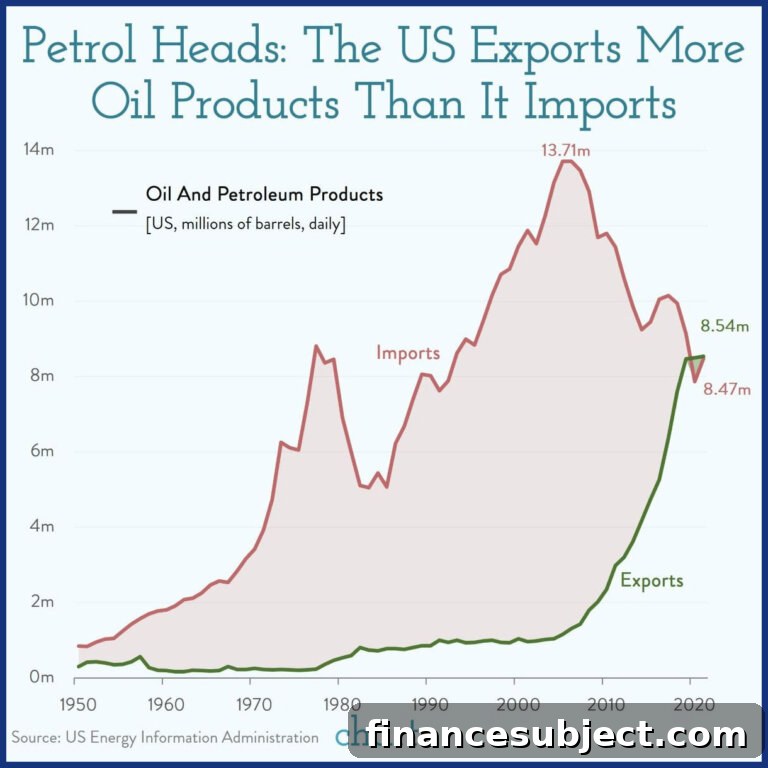
Economists generally agree that a broad carbon price is among the most effective policy tools to reduce fossil fuel consumption. Isolated national policies can be less effective if global demand and production shift elsewhere. That said, Canada’s policy decisions still matter for domestic emissions, economic competitiveness, and the energy transition at home.
Tech versus everything else
Over the past year tech stocks in the S&P 500 have outpaced almost every other sector. That concentration has given the overall market a sizable lift, but it also raises questions about breadth and sustainability.
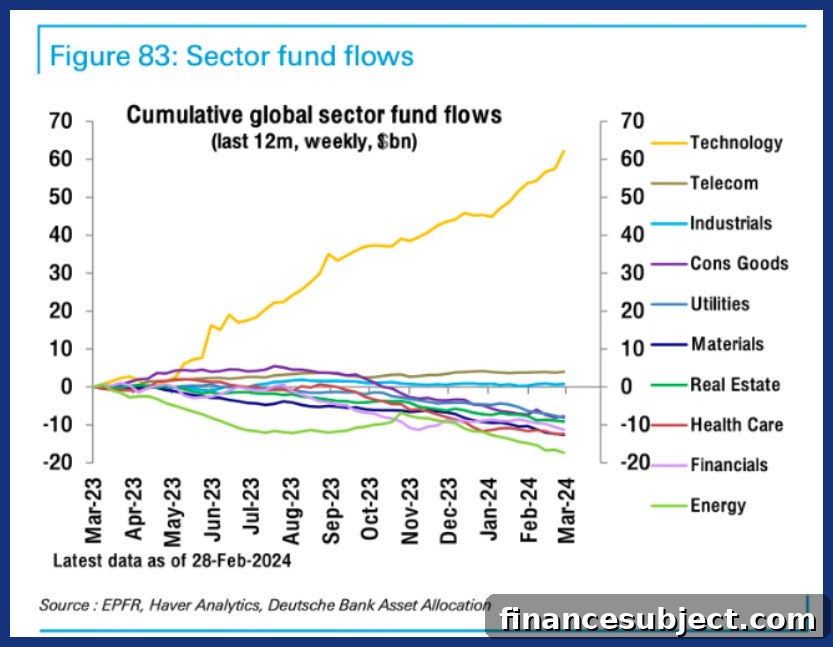
History shows us that markets can be dominated by a single industry for long stretches—railways in 1900, and now technology more recently. That isn’t inherently a problem if leadership cycles through different sectors over time, bringing broader participation and healthier market breadth.
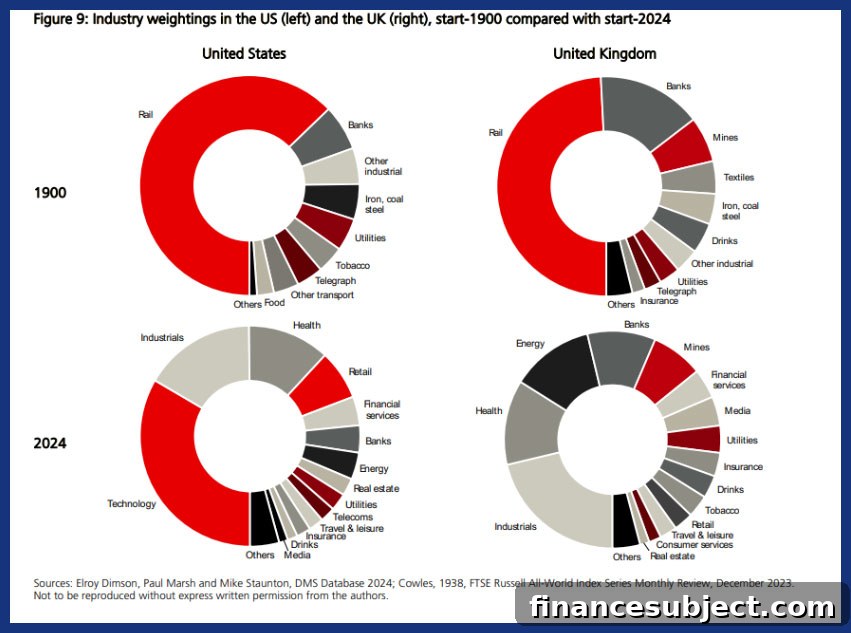
From a Canadian perspective, the market valuation remains more moderate. Using a broad Canadian ETF as a proxy, the Canadian price-to-earnings ratio sits at a more reasonable level than U.S. tech-heavy valuations, and the Canadian market is less concentrated in a single sector.
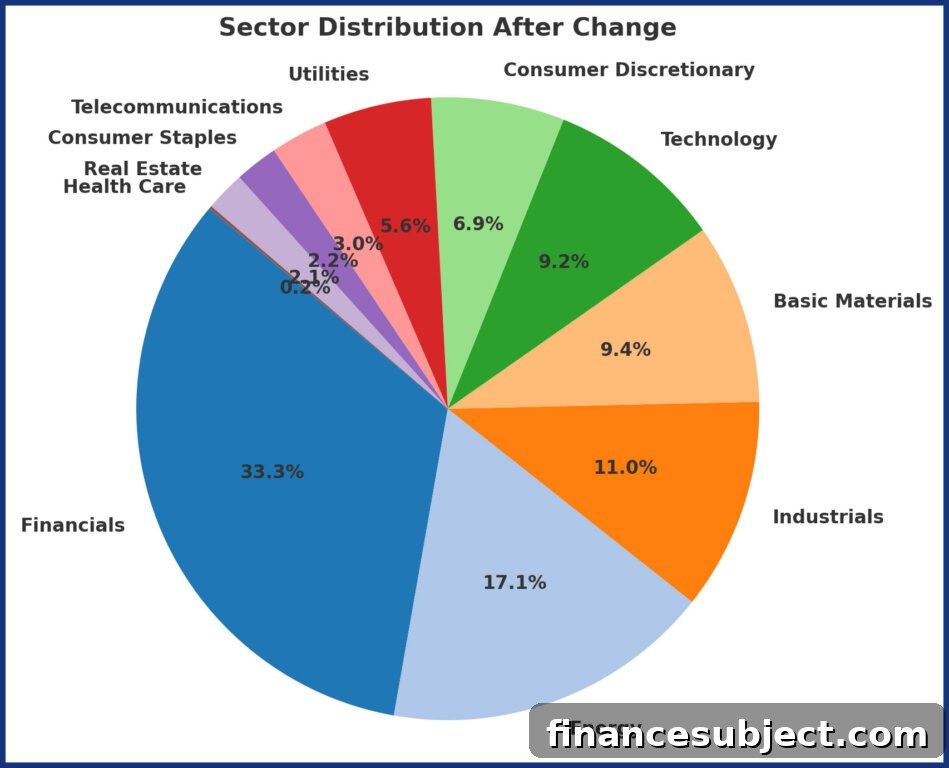
Even if technology cools off, a healthy market often sees other sectors take the lead. Investors who maintain a diversified approach and focus on valuations, earnings quality, and long-term cash flow are better positioned to navigate shifts between sector leadership.
Read more about investing:
- How might inflation impact your retirement plans?
- What is a cashable GIC?
- Will GIC rates keep going up in 2024?