
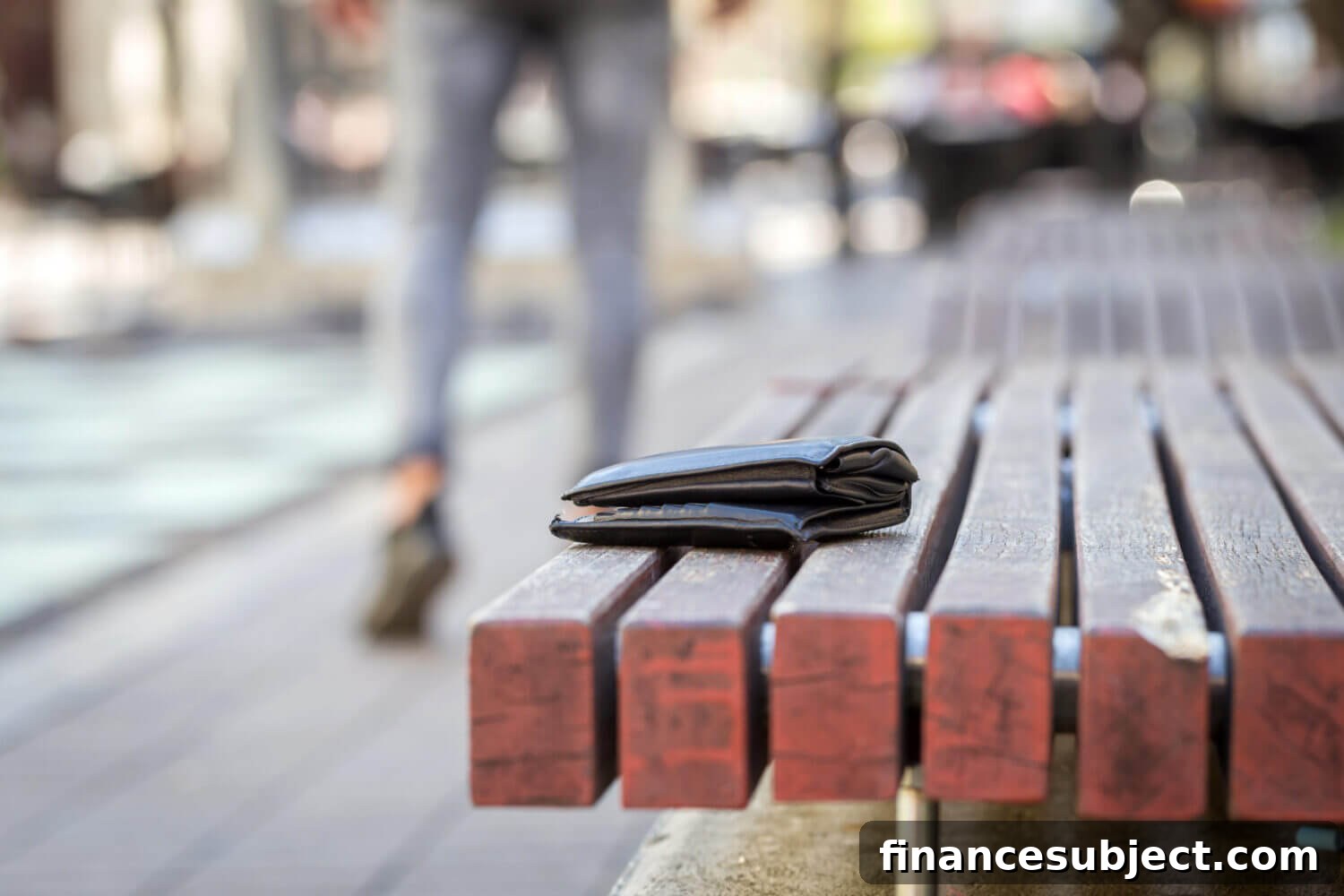
You rush out the door, pat the usual pocket to check for your wallet — and it’s gone. Maybe it slipped into yesterday’s jeans, or into the pantry next to a granola bar. Then the darker thoughts arrive: did you lose it? Did someone pick it up? If so, how long have they had access to your credit cards and personal information?
Dealing with a lost or stolen wallet is stressful, and you’re not alone in feeling that way. A survey commissioned by Equifax found that 27% of Canadians feel particularly vulnerable to fraud after losing a wallet or purse. Almost all respondents (94%) expressed concern about being targeted by fraud, and 61% said they worry about how long it will take to resolve compromised accounts.
Contacting banks and credit card companies to report fraud and replace cards is time-consuming and inconvenient. With contactless payments and quick card transactions, a thief doesn’t need much time to cause financial damage before you realize something is wrong.
Beyond the immediate inconvenience and expense, a lost wallet can create an even more dangerous risk: identity theft. The documents inside can let a stranger build a fuller picture of who you are, and that can be used to open new accounts in your name.
When your ID is on the loose
If someone obtains your government-issued ID or other identifying documents, they can apply for credit using your personal information. It’s easy to imagine a thief signing you up for a loyalty card, but their real goal is often new credit lines or loans they can exploit. Even if the thief uses their own photo to create fake ID carrying your name, that may be enough to fool some identity checks.
Your data is valuable
It doesn’t matter how criminals get your data — through a data breach, loose paperwork, or a stolen wallet — the result can be the same. To understand the risk, it helps to know how credit applications typically work in Canada. When you apply for credit, the lender usually asks your permission to access your credit history or score. With your consent, they pull your credit file and consider that information, along with details from your application such as income, when making a lending decision. Lenders also perform identity checks before approving credit.
The fraud scenario
Imagine a fraudster with your ID — or with fabricated ID using your name — fills out a credit application and agrees to a credit check on your file. Many lenders have safeguards and fraud detection systems, and a good number of fraudulent applications are caught. Still, some fraudulent accounts do get approved. If a fraudster convinces a lender that your mailing address has changed, your new account statements and cards can be sent somewhere you don’t see them. In other cases, the fraudster may open a line of credit without requesting a physical card or paper statements, making the fraud harder to detect.
How do you know if you’re a victim?
Sometimes victims spot fraud because an unfamiliar credit card arrives in the mail. Other times, victims only discover unauthorized accounts after debt collectors call or when they check their credit file. If a fraudster has routed mail away from your address or opted for electronic statements you don’t receive, you might not see the signs right away.
Credit files may contain clues
That’s why it’s important to review your credit reports regularly from Canada’s two national credit bureaus, Equifax and TransUnion. Canadians are entitled to an unlimited number of free credit reports each year, so take advantage of that right. When you get your reports, check every account and inquiry carefully. Any unfamiliar entries could be a sign of identity fraud. If you spot something suspicious, contact the lender listed on the account and the credit reporting agency to report the issue and request assistance.
Additional protection
There are extra steps you can take to make identity fraud less likely or easier to spot. Fraud warnings and identity alerts are notes you can add to your credit files that encourage lenders to contact you directly before approving credit. These alerts typically include a phone number so the lender can verify your identity. Fraud warnings and identity alerts are available at no charge through credit reporting agencies. You can also consider paid credit monitoring or identity theft protection services that offer daily alerts for critical changes to your credit file and additional features such as identity theft insurance or dark-web monitoring.
Equifax Complete Protection
Equifax Complete Protection is a credit and cybersecurity service designed to help Canadians detect identity fraud more quickly.
- Daily credit monitoring and alerts
- Dark web scans for your personal data
- Social media monitoring
Subscription price: $34.95 per month
The final word
Losing your wallet or having personal information exposed is never pleasant. If it happens, act quickly: cancel cards, report the loss to your financial institutions, and consider placing fraud alerts on your credit files. Checking your credit reports regularly and setting up alerts can give you early warning of suspicious activity. In short, the only person who should be applying for credit in your name is you.
Julie Kuzmic is Senior Compliance Officer, Consumer Advocacy at Equifax Canada and a recognized authority on consumer credit. She speaks to industry groups, government, clients and consumers about the credit lifecycle. Julie is committed to improving financial literacy and often uses creative metaphors to explain how credit scores work.
For more educational resources from Equifax Canada, consult official consumer education materials from the credit reporting agencies.
This article is presented by an advertising partner.
This editorial content was produced independently and is presented with financial support from an advertiser. The advertiser did not influence the article’s content.
Further reading on fraud and scams
- You’ve just discovered someone stole your identity — is it too late?
- How to protect your email account from scams and fraud
- How to protect your devices against identity theft
- How to find trustworthy personal finance influencers
- Can I get scammed through an e-transfer? Common questions about protecting yourself from fraud