
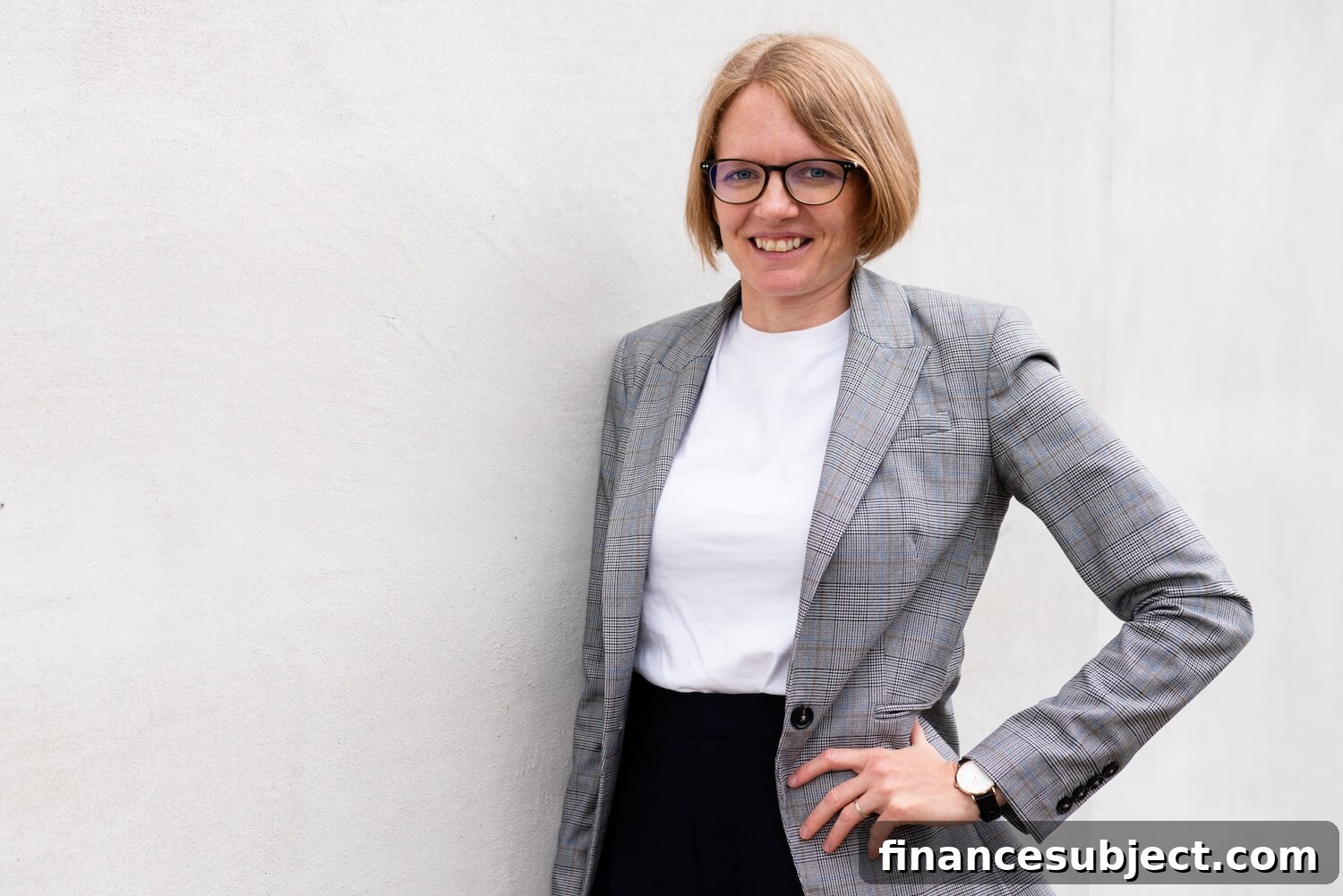
Aimee Schalles is a lawyer based in Revelstoke, B.C., and co‑founder of Jointly, a legal platform that helps Canadian couples create affordable, legally valid prenuptial, postnuptial and cohabitation agreements as part of their financial planning. Over the years she has watched friends and family go through difficult separations that might have been far less fraught had they documented the financial understandings they once shared.
Before law school, Schalles worked as an advocate helping people experiencing homelessness find housing. That early work still shapes her practice—she is passionate about helping everyday people solve practical legal problems. She is married with two children and spends as much time as possible outdoors, taking advantage of the recreational opportunities around Revelstoke.
Who are your money, finance and investing influences?
I follow practical personal finance writers and bloggers who emphasize simple, disciplined approaches. I’ve learned from Rob Carrick’s columns and from accessible investing guides such as The Wealthy Barber. Canadian Couch Potato taught me a lot about managing index-based investments, while Mr. Money Mustache influenced the way I prioritize spending and focus on what truly matters.
One of my business role models is Arlene Dickinson—someone who built success on her own terms while maintaining her values and supporting other entrepreneurs. I admire leaders who use their influence to champion causes they believe in.
How do you like to spend your free time?
Most of my free time is with my two young children—seeing them discover the world is endlessly rewarding. I also love backcountry skiing and climbing, and I’m fortunate to have both activities available practically in my backyard here in Revelstoke.
If money were no object, what would you be doing right now?
Surprisingly, much of what I would do already mirrors my current life. I find it deeply fulfilling to help people understand family law and to enable them to create practical relationship agreements. If funds were unlimited I would hire more staff to scale Jointly faster and take more time off for travel, but professionally and personally I feel very satisfied.
Earliest memory about money
I grew up on a farm in Saskatchewan, and my first jobs were farm chores. My siblings and I helped care for hundreds of birds each summer. It was hot, smelly work, but it taught us responsibility and the value of contributing to the family business. Our parents required us to use our earnings for clothes, school supplies and any leisure purchases, which gave me practical money skills at an early age and helped develop discipline and an entrepreneurial mindset.
First thing you bought with your own money
A Nintendo with Super Mario Brothers 3. My brother and I pooled our savings to buy it—possibly not my idea alone, but a formative purchase nonetheless.
First job and first paycheque
My first job outside the family farm was as a camp counsellor in a cadet program. I started at 17 and, by 18, I was promoted to a leadership role supervising 25 counsellors and helping oversee more than 150 preteens. That early responsibility taught me the importance of caring for people as a leader. I don’t recall exactly how I spent my first paycheque, but I suspect most went into savings, with maybe a little for ice cream.
Biggest money lesson learned as an adult
Running a law firm taught me the value of investing in reliable people who can take ownership of key parts of the business. Hiring well and delegating allows me to focus on the technical legal work and on growing the practice. That investment in people is the best use of money I’ve found—my success depends on the whole team contributing their best.
Another important lesson is treating spending tracking as a system rather than an occasional task. I use the You Need a Budget approach: every dollar gets a job. That clarity prevents overspending and double‑committing funds, and it makes it easier to know when I can splurge or when I need to reallocate.
Best money advice you’ve received
Keep track of your spending and spend less than you earn. My husband and I staggered our professional training years to avoid debt, which gave us the freedom to pursue career changes and entrepreneurship without financial stress.
Worst money advice you’ve received
Being told I should remain in Big Law because that was the surest path to wealth and prestige. I left a few years into my legal career to start my own small firm, and although some colleagues were skeptical, it was one of the best decisions I’ve made. Building my own practice aligned my work with my values and opened the door to creating Jointly.
Lump sum or lifetime payments?
I would prefer a lump sum. It provides instant flexibility to shape the future—personally and professionally. With a large sum I would accelerate Jointly’s growth to help more Canadians secure clear financial agreements in their relationships.
Most underrated financial strategy
Planning. It sounds mundane, but thorough planning across relationship agreements, estate planning, budgeting, insurance and financial planning gives you control over your future. When those elements work together you can manage risk and achieve long‑term goals more confidently.
Biggest misconception about growing money
That getting started is hard. It’s more accessible than many people imagine. With the abundance of clear resources—books, podcasts, blogs—you can learn budgeting, basic investing and business skills on your own. I run two businesses and manage my own investments and am largely self‑taught.
Rankings
Compare the best bank accounts for side hustles
A money regret
I regret buying a couple of new vehicles. While warranties are comforting, the instant depreciation of a new car is hard to swallow.
What “value” means to me
Value is about reclaiming time and reducing stress. I happily pay for a bi‑weekly cleaner because it frees me to spend more quality time with my children. I also invest in coaches and professionals when they help me streamline operations and accelerate growth—those costs often pay for themselves.
Most consequential purchase
Buying my law firm in Revelstoke was the most consequential decision I’ve made as an adult. Leaving a national firm to own a local practice was a major change, but it allowed me to shape a legal career that fits my values and lifestyle.
Thoughts on debt
Debt can be a useful tool when it helps you earn more elsewhere. Low‑interest mortgage debt can make sense while you invest excess savings, and borrowing to scale a profitable business is often justified. The key is to use debt strategically and with a clear plan for repayment or return on investment.
Most recent splurge
A week in Mexico City with two friends. After years of pandemic constraints and the demands of young families and work, that trip to eat, explore and recharge felt like an important personal investment. I returned refreshed and motivated.
Last money-related book read
I enjoyed The Millionaire Teacher by Andrew Hallam. It presents investing in a straightforward, approachable way and demystifies the process, which I appreciate as both an investor and entrepreneur.
What’s always in your wallet
I rarely carry a physical wallet now and prefer the convenience and security of Apple Pay. The financial tools I use most often are the You Need a Budget methodology and online brokerage tools for managing investments.
Favourite possession
My electric cargo bike. In two years we covered almost 4,000 kilometres on it. It’s saved car trips and has made getting around town with our kids much more enjoyable.
Next money goals
My immediate financial objectives focus on growing Jointly across Canada. We have ambitious targets for revenue and partnerships and are working to scale the platform so more people can access practical, affordable relationship agreements.
My MoneySense quick questions
Rent or own?
It depends on your situation. Many people stretch to buy and underestimate the real costs of homeownership, including long‑term maintenance. Crunch the numbers with a qualified financial planner before committing. In today’s market, renting may be the smarter choice for more people than in the past.
Buy or lease?
Buy.
Save or invest?
Both. Keep an emergency fund in a high‑interest savings account and invest the remainder—preferably in low‑cost index funds tailored to your goals and risk tolerance.
Budget or not?
Absolutely budget. Knowing where your money goes is the foundation of sound financial decision‑making.
Newsletter
Get free MoneySense financial tips, news & advice in your inbox.
More My MoneySense personal journeys
- Erin Bury on quitting a stable job for a risky paycheque, investing in her 20s, and more
- “What a dumb mistake that was”: Dilys D’Cruz on money lessons and painless saving
- “Our goal is to have properties all over the world”: Sara Loriot on dreaming big
- Justin Dallaire on making the right money decisions for you (not your bank)