
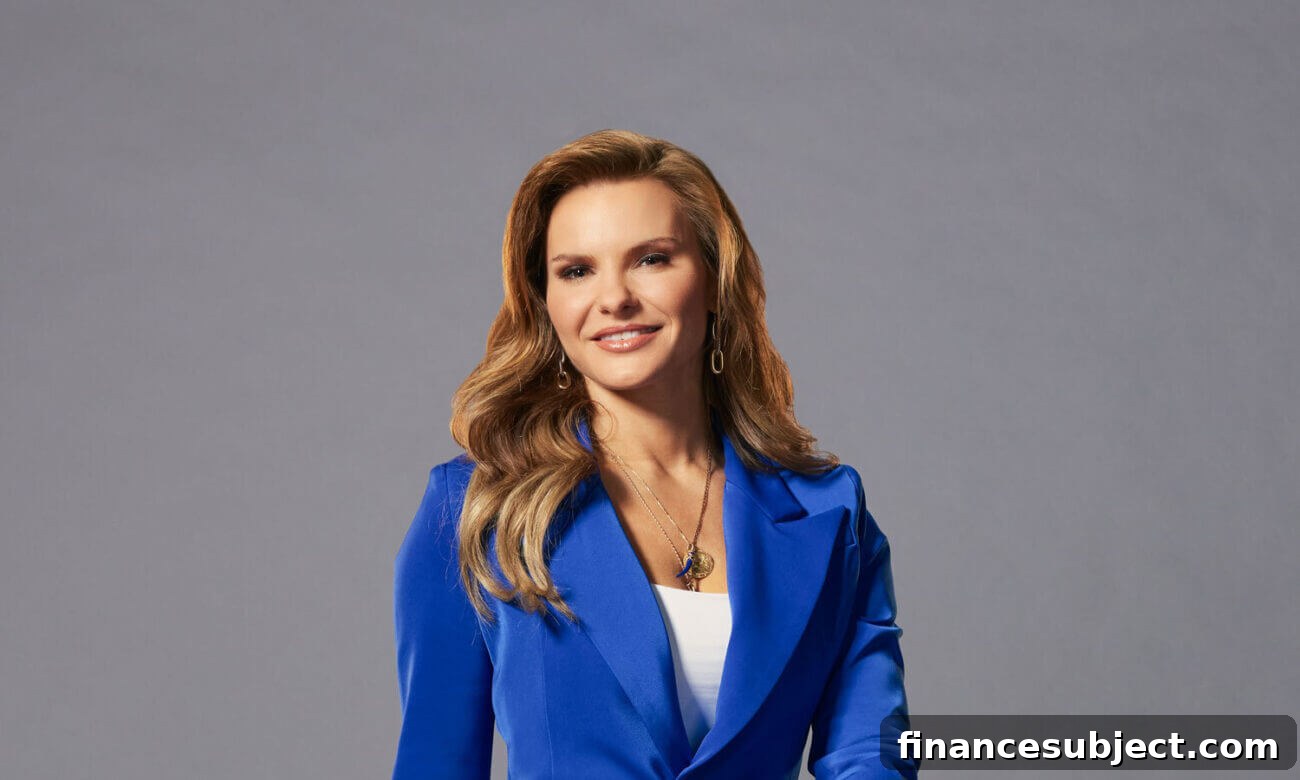
Michele Romanow, co-founder and CEO of Clearco, is the kind of entrepreneur who defines persistence. Fresh out of university, she found herself waist-deep in building a commercial caviar fishery in New Brunswick. The venture grew quickly—until the 2008 recession arrived and reshaped everything. Since then Romanow has launched multiple companies, earned numerous awards and become a visible champion of entrepreneurship on CBC’s Dragons’ Den, where she evaluates and backs founders. Below she shares practical lessons on risk, investments, running a business and how to think about money.
Who are your finance heroes?
My dad. He taught me a strong work ethic and the importance of financial independence. From him I learned to respect the value of money and to think carefully about when to spend and when to save.
How do you like to spend your free time?
Being a founder means I don’t work a typical nine-to-five, and I wouldn’t trade it. When I’m off, I try to truly unplug. I love to travel, I work out regularly, and I absolutely enjoy good food—so eating well is part of my downtime.
If money were no object, what would you be doing right now?
I’m fortunate to love what I do. Building companies is where I find purpose, so even with unlimited resources I’d still be creating and supporting new ideas. Entrepreneurship is who I am.
What was your earliest memory about money?
I remember family dinners where I noticed some menu items were far pricier than others and wondered why. That curiosity—why things are priced differently and how value gets assigned—stuck with me. I even dreamed of affording the lobster, which in hindsight makes sense given my early work building a caviar business.
What’s the first thing you remember buying with your own money?
The first major use of my earnings was to invest in my first business. After university I launched a Tea Room and then, with my partner Anatoliy Melnichuk, we started a caviar fishery. We used prize money from competitions and our own savings to get going. It was risky, but that early bet on myself paid off.
What was your first job?
I sold home water heaters door-to-door. That role taught me an important truth: almost every job involves selling something, whether it’s a product, an idea or yourself.
What was the biggest money lesson you learned as an adult?
Trends can flip overnight. We built a caviar business when global supply had plunged because of overfishing, and everything seemed to be working. Then the 2008 recession hit and demand for luxury goods fell away fast. That experience showed me that the market can be unforgiving and that nothing is guaranteed.
What’s the best money advice you’ve ever received?
If something sounds too good to be true, it probably is. Follow your instincts, especially when money is involved.
What’s the worst money advice you’ve ever received?
I’ve been told investing is complicated and that I didn’t “fit” the mold of a financier. Early on, people assumed I didn’t understand credit because I didn’t look like a banker or come from a traditional background. That’s misguided—money matters require research, learning and confidence, not conformity to a stereotype.
Would you rather receive a large sum of money all at once or a smaller amount regularly for life?
I’d take the lump sum. The power of compounding and the ability to deploy capital strategically make a big upfront amount more useful for an entrepreneur.
What do you think is the most underrated financial advice, tip or strategy?
Diversify. Whether you’re investing in stocks, bonds, real estate or building emergency savings, don’t put all your eggs in one basket. Diversification reduces risk and creates options.
What is the biggest misconception people have about growing money?
There’s a lot of hype around quick gains, especially online. The reality is that building wealth almost always starts with hard work and consistency. There are no universal shortcuts—discipline and long-term effort are the recurring themes among people who grow their money responsibly.
Can you share a money regret?
I wish I had started angel investing earlier. The entry barrier is lower than many assume, and even small investments can meaningfully help entrepreneurs and yield strong returns over time.
What does the word “value” mean to you?
Value isn’t just a price tag—time is one of the most valuable resources. I try to spend money where it frees time or adds real enjoyment. For example, I’ll pay for good food rather than spending hours cooking because that trade-off suits my priorities.
What’s the first major purchase you made as an adult?
I came from a generation that rented more and bought fewer assets early on. Renting let me move for opportunities—Chicago after an acquisition, then San Francisco to start Clearco—which helped my career. I did buy a couple of suits for a job I took during a rough patch in the recession, but overall flexibility mattered more than early asset ownership.
What’s your take on debt?
Debt can be useful when used prudently and without over-leveraging. It’s a tool that should complement other financing, not replace disciplined capital management.
What was your most recent splurge?
Some rose-gold jewelry.
What is the last money-related book you read?
I regularly return to Influence by Robert Cialdini. The psychology of persuasion is deeply relevant to selling, negotiations and business. I often re-read sections before important meetings.
What is something you always have in your wallet?
Cash. It’s an underrated safety net: small, immediate and useful in a pinch.
What is your favourite possession?
Experiences top the list for me. I do own a few pieces of sentimental jewelry with stories behind them, but the essentials I can’t go without are my passport, laptop and phone—tools that enable work and travel and also open doors to memorable experiences.
What’s your next money goal?
At Clearco our mission is to fund one million founders. We’ve supported thousands so far, and scaling that impact is my North Star. Access to capital can be a powerful equalizer, and helping founders grow their businesses has ripple effects across communities and economies.
My MoneySense quick questions
Rent or own?
Rent.
Buy or lease?
Lease.
Save or invest?
Invest.
Budget or not?
Budget.
Read more MoneySense profiles:
- How dating expert Damona Hoffman handles her relationship with money
- The advice journalist Renée Sylvestre-Williams wished she had in her 20s
- Ambitious Adulting’s Liz Enriquez on growing up low-income and tough financial lessons
- What a mutual fund failure and odd jobs taught Sandy Yong about money