
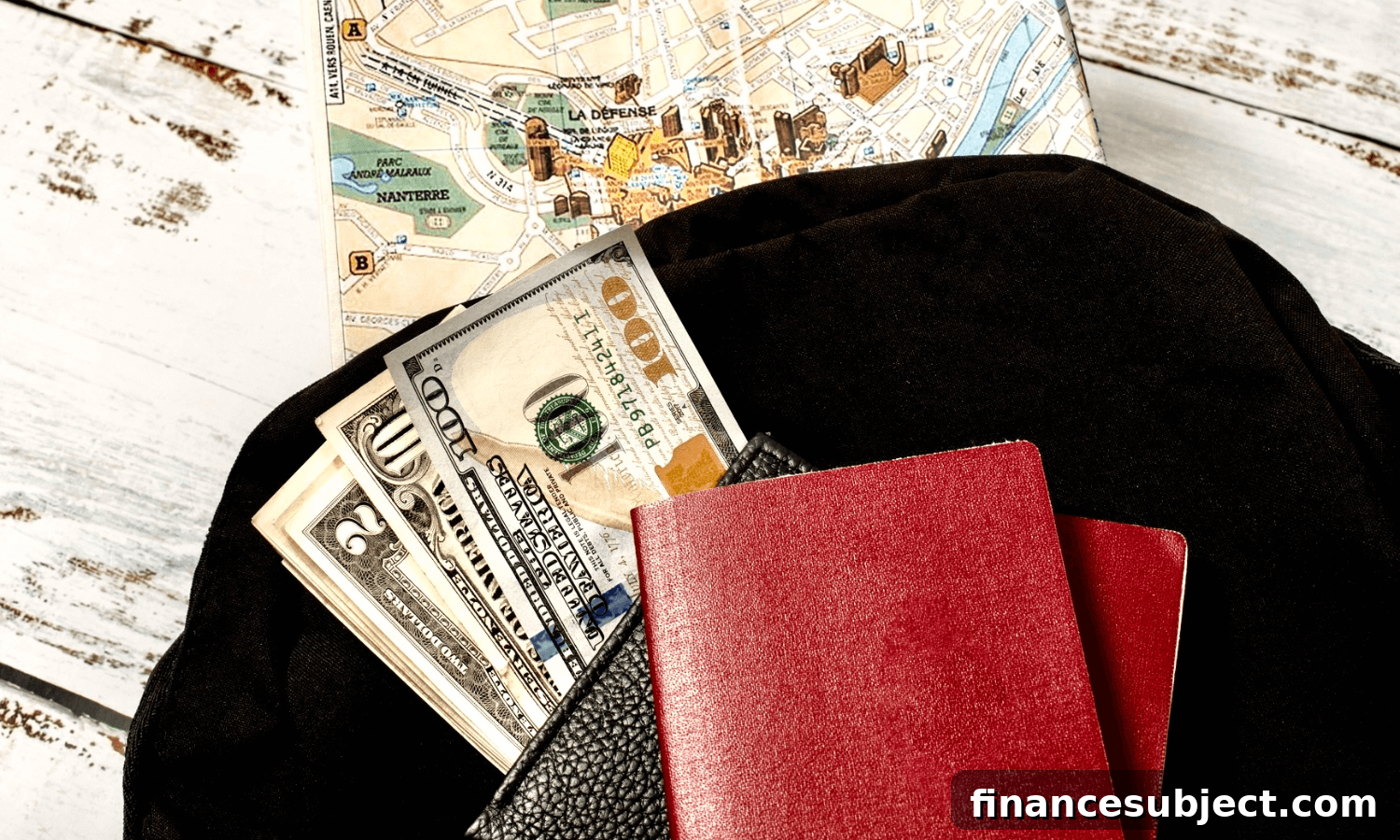
When was the last time you paid for something with cash? For many Canadians—especially younger generations—that may take some thought. Canada has steadily shifted toward digital payments, with most purchases now made by smartphone or credit card. Still, deciding whether to carry cash and how much to bring remains an important consideration when travelling internationally.
How much cash should Canadian travellers carry?
“It’s less about whether cash is necessary and more about how to use it wisely,” says Amra Durakovic, spokesperson for Flight Centre Travel Group Canada Inc. The right amount of cash depends on your destination, the nature of your trip and how prepared you want to be for situations where cards aren’t accepted.
Durakovic gives practical examples from her own travel: in Nicaragua she carried cash to cover airport transfers and driver tips, while on a recent trip to Morocco she used small U.S. dollar bills for local markets and taxis. Even on cruises and at all-inclusive resorts, she recommends bringing some bills for tipping staff or incidental purchases.
Her rule of thumb is to carry a modest amount of local or widely accepted currency—she personally brings at least USD 100 in smaller denominations when travelling abroad—and to prepay gratuities in Canadian dollars on all-inclusive packages when possible. That helps avoid surprises from exchange-rate differences or the inconvenience of no on-site ATMs.
Many cruise lines and resorts include gratuities in daily service charges, which can simplify budgeting. Prepaid gratuities are usually calculated per guest, per night, so check your itinerary or booking details ahead of time to know what’s already covered.
Featured travel credit cards
Scotiabank Gold American Express Card
Go to site
American Express Cobalt Card
Go to site
MBNA Rewards World Elite Mastercard
Go to site
Pay attention to currency exchange rates
Before a trip to Japan, content creator Nicole Hui researched whether the country is cash-reliant. She carried cash to cover airport transit, meals and tipping, but withdrew additional yen at a 7-Eleven ATM in Japan, finding that the exchange rate was better than at her Canadian bank.
Hui typically prefers a no-fee credit card for everyday purchases. If a destination is not heavily cash-dependent, she still brings $100 to $200 in local currency as a safety net.
Experts warn that exchange rates and fees matter. Personal finance and travel expert Barry Choi recalls costly exchange fees during trips to Brazil and Argentina, which shifted his approach: he now favors no-fee credit cards, prepaid travel cards or withdrawing cash from ATMs abroad when necessary.
Choi recommends looking for travel-friendly cards that allow fee-free ATM withdrawals, credit cards with low or no foreign transaction fees, or multi-currency accounts. He advises against exchanging money at airports, where rates and fees are typically higher.
Converting leftover currency back to Canadian dollars can be costly
Whether to carry cash—and how much—also depends on how easily the local currency is accepted where you’re going. Choi says he once travelled to the United States without using cash at all, thanks to wide card acceptance. But depending on the country, you may still need some bills for small vendors or transit.
A common downside to carrying cash is leftover foreign currency at the end of a trip. Exchanging those small amounts back to Canadian dollars often incurs fees or poor exchange rates, and fluctuating rates can mean you lose money when converting back.
To strike a balance, Choi suggests carrying a small emergency amount—about USD 50 or its equivalent—so you can cover a meal, taxi or tip in situations where cards aren’t accepted. That small reserve can prevent being stranded in areas with limited card acceptance or language barriers.
In short: prepare thoughtfully. Use cards where convenient and cost-effective, but keep a modest amount of local or widely accepted currency as a backup. Research fees, ATM options and whether prepaying gratuities makes sense for your travel plans to avoid surprises and unnecessary costs.
Newsletter
Get free MoneySense financial tips, news & advice in your inbox.
Read more about travel:
- Travel challenge: How much can you save in FX fees this summer?
- Going on vacation? Here’s how to keep your home safe
- If you’re going on vacation, don’t forget travel health insurance
- How to find cheap flights to anywhere
- Affordable family vacations: How to travel when the Canadian dollar is weak