
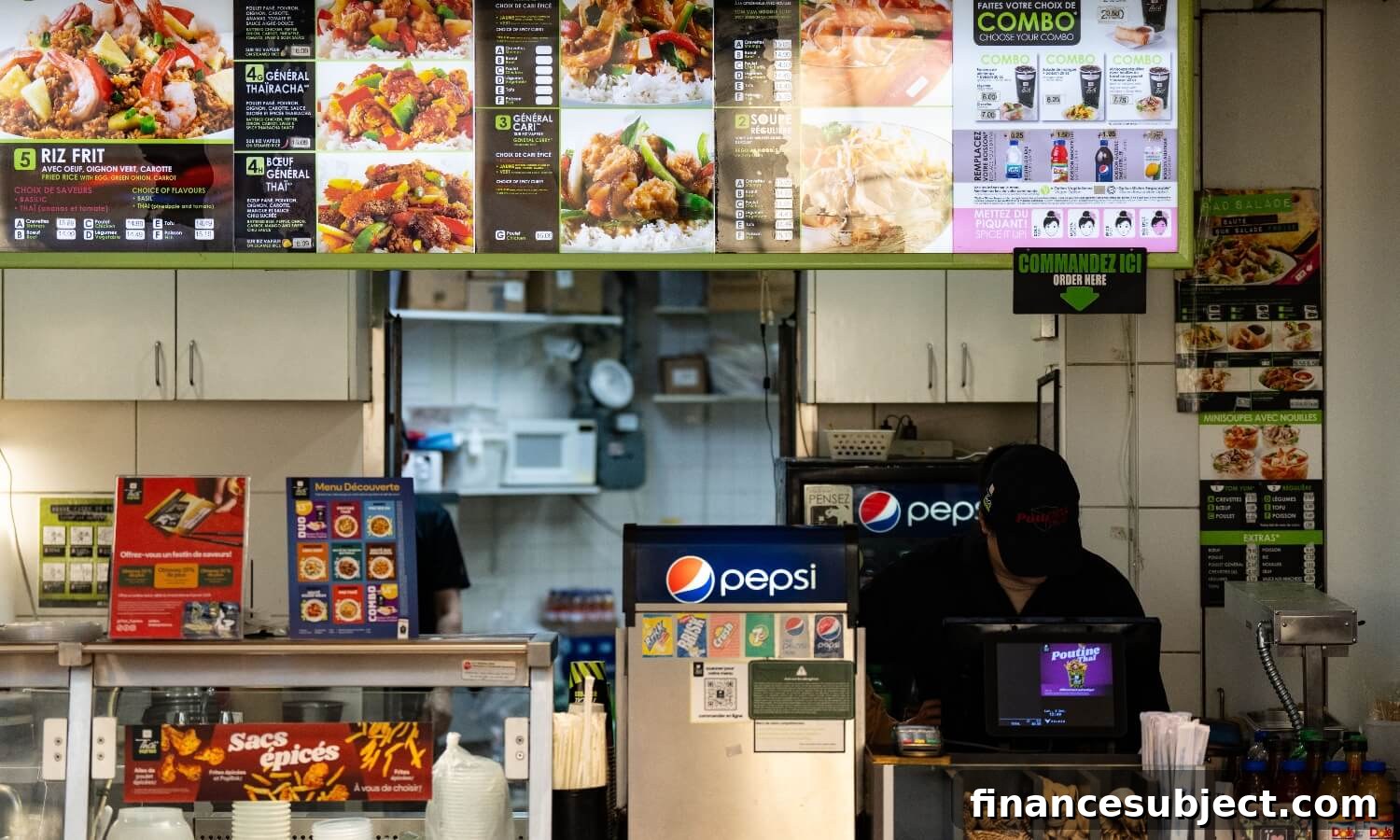
Restaurants across Canada are feeling the strain as consumers cut back on dining out and rising operating costs squeeze margins, according to a new industry report. The study found that about three in four Canadians are eating out less, primarily driven by the higher cost of living. The reduction is especially pronounced among younger adults: 81% of those aged 18 to 34 report dining out less frequently.
Kelly Higginson, chief executive of Restaurants Canada, described the trend as alarming for the foodservice sector. She said the industry must increasingly focus on younger consumers, who will become the dominant customer base as they age. The report highlights that younger Canadians place greater emphasis on price, perceived value, and convenience compared with older age groups, shaping how restaurants will need to market and adapt their offerings.
Rising costs and weaker spending squeeze restaurant profits
Overall spending at restaurants has cooled compared with pre-pandemic levels. The report estimates per capita spending this year of $1,035 at full-service restaurants and $1,135 at quick-service establishments, down from $1,165 and $1,150 respectively in 2019. This shift reflects a broader pullback in discretionary spending as households prioritize essentials.
Alcohol sales in restaurants have also softened, influenced both by higher menu prices and a growing focus on health and wellness. The survey found that 41% of Canadians said their alcohol consumption decreased over the past year. Higginson noted that reduced drink sales make it more difficult for operators to offer value-driven meal options while still maintaining profitability.
Industry sales are projected to reach $124 billion this year, but that growth is modest once adjusted for inflation. At the same time, businesses face sharply higher operating expenses: costs for food, labour, insurance, utilities and other essentials have risen by double digits between 2023 and 2025, according to the report. As a result, 41% of foodservice businesses were operating at a loss or breaking even as of June 2025.
“Over the last five years, operators have been put into a pressure cooker as they try to stay viable, keep doors open and continue to staff and serve their communities,” Higginson said, summarizing the intense and sustained financial pressures on the sector.
The industry is also contending with labour shortages as population growth slows. Higginson warned that rural and remote restaurants are particularly vulnerable: finding key staff such as cooks or early-morning bakers is more difficult outside urban centres, which can disrupt service and force changes to operating hours or menu offerings.
Restaurants pivot to brunch and snacks as dinner demand falls
To cope with changing consumer habits and tighter margins, many operators are reworking menus and schedules to reduce waste and lower costs. Some restaurants are shifting focus away from traditional dinner services toward brunch and breakfast options, responding to growing demand for lower-cost, daytime meals. Higginson pointed out that, with discretionary spending reduced, Canadians are spending more on breakfast and less on pricier dinner outings.
Quick-service operators have seen notable shifts in daypart performance. Lunch-hour sales at quick-service restaurants rose 7.6% in the first five months of 2025, surpassing pre-pandemic levels. That increase reflects both a partial return to office routines and a consumer search for better value during the day. While lunch and breakfast can drive volume, Higginson cautioned that these segments typically yield lower profit per check than evening dinner services, meaning operators may see slimmer margins even with higher daytime traffic.
Snacking has also emerged as a growth area. The report recorded increases in supper and evening snack traffic of 3.4% and 4% respectively, and noted that younger generations are the most likely to treat snacks as meal replacements. Higginson described the snack trend as an opportunity for the sector to innovate: by rethinking menus and portioning for snack occasions, operators can meet customers where they are while seeking new revenue streams.
Restaurants are experimenting with a range of operational responses: streamlining menus to focus on high-turnover, low-waste items; adjusting hours to concentrate staff during peak service times; and promoting price-sensitive options or combo meals that deliver perceived value. These approaches aim to preserve cash flow and protect margins while responding to consumers’ changing priorities—price, convenience and quality.
Newsletter
Get free MoneySense financial tips, news & advice in your inbox.
Read more news:
- Five days in the office again? Here’s how it could impact your budget
- Bank of Canada cuts interest rates to combat slowing economy
- Canadian home sales hit four-year August high as fall market heats up
- Canadian Tire, Tim Hortons form loyalty program partnership