

A balance transfer credit card can be an effective way to reduce high-interest debt—provided you choose the right card and fully use its promotional period. The best balance transfer cards offer a 0% or very low introductory APR on transferred balances for a set time and charge a low transfer fee.
Because terms vary widely between issuers, it’s important to read the fine print before you apply. Below we highlight leading balance transfer credit cards available in Canada, explain what to watch for, and outline steps to complete a transfer and repay your balance efficiently.
Best balance transfer credit cards in Canada
We compared Canadian balance transfer credit cards to identify the strongest offers for Canadians looking to save on interest and pay down debt faster. The list focuses on promotional APR length, transfer fees, and overall cost to consumers.
MBNA True Line Mastercard credit card
GO TO SITE
Annual Fee:
$0
Interest Rates:
12.99% purchase, 24.99% cash advance, 17.99% balance transfer
CIBC Select Visa Card
GO TO SITE
Annual Fee:
$29
Interest Rates:
13.99% purchase, 13.99% cash advance, 13.99% balance transfer
Scotiabank Momentum No-Fee VISA Card
GO TO SITE
Annual Fee:
$0
Interest Rates:
19.99% purchase, 22.99% cash advance, 22.99% balance transfer
MoneySense is an award-winning personal finance magazine that has helped Canadians manage money since 1999. Our editorial team verifies card features, compares offers across major banks and card issuers, and draws on expert input to highlight the most consumer-friendly balance transfer credit cards. We evaluate promotional APRs, transfer fees and overall cost to readers when ranking cards.
Gold: MBNA True Line Mastercard
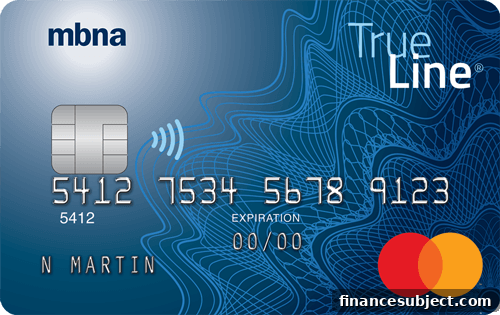
The MBNA True Line Mastercard stands out for its long introductory period: 0% interest on balance transfers for 12 months when completed within 90 days of account opening. There’s no annual fee, which helps keep your costs down while you focus on paying off the transferred balance.
MBNA True Line Mastercard
go to site
Annual fee: $0
Balance transfer offer: 0% for 12 months on transfers completed within 90 days. (Some provincial exceptions may apply.)
go to site
Card details
| Interest rates | 12.99% on purchases, 24.99% on cash advances, 17.99% on balance transfers |
| Income required | None specified |
| Credit score | 660 or higher |
Pros
- No annual fee: You get an extended 0% balance transfer promotion without paying an annual fee.
- Long promo period: Twelve months of 0% interest gives you ample time to reduce principal and pay down debt faster.
- Low regular purchase APR: The ongoing purchase rate is lower than many competing cards, which helps if you carry a small balance after the promo ends.
Cons
- Balance transfer fee: A 3% transfer fee applies, which can add to the upfront cost of moving a large balance.
- High cash advance APR: Cash advances carry a higher rate, so avoid using this card for cash withdrawals.
- No rewards program: This card does not earn rewards, which is generally secondary to the goal of using a balance transfer to pay down debt.
Advertisement
Silver: CIBC Select Visa Card
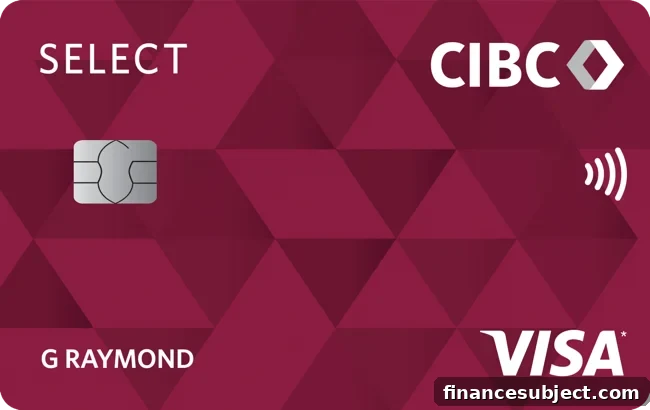
The CIBC Select Visa Card pairs a competitive 10-month 0% balance transfer promotion with a low 1% transfer fee. It also advertises a consistent 13.99% regular APR across purchases, cash advances and balance transfers, plus a few practical perks like travel accident coverage and gas savings programs.
CIBC Select Visa
Annual fee: $29 (may be rebated for an introductory period)
Balance transfer offer: 0% interest for up to 10 months with a 1% transfer fee on eligible transfers of $100 or more.
Card details
| Interest rates | 13.99% on purchases, 13.99% on cash advances, 13.99% on balance transfers |
| Income required | $15,000 per year |
| Credit score | 660 or higher |
Pros
- Low transfer fee: A 1% fee is among the lowest in the market and can yield significant savings on large transfers.
- Consistent low APR: The regular APR is lower than average across purchase and cash advance categories.
- Added benefits: Optional travel accident insurance and gas savings can add practical value.
Cons
- Transfer limit: Transfers may be capped at 50% of your approved credit limit for the new card, which could limit usefulness for very large balances.
- No rewards: This card focuses on low cost rather than rewards-earning.
Advertisement
Bronze: Scotia Momentum No-Fee Visa
The Scotia Momentum No-Fee Visa provides a 0% promotional rate on balance transfers for six months. It has no ongoing annual fee and includes cash back rewards, making it a good choice if you want to reduce debt while still earning modest rewards on everyday spending.
Scotia Momentum No-Fee Visa Card

go to site
Annual fee: $0
- 1% cash back at gas stations, grocery stores, drug stores and recurring bills
- 1% cash back on transit, rideshare and food delivery
- 0.5% on all other purchases
Welcome offer: Earn elevated cash back for a limited period and 0% on balance transfers for six months (offer windows vary by issuer).

go to site
Card details
| Interest rates | 19.99% on purchases, 22.99% on cash advances, 22.99% on balance transfers |
| Income required | $12,000 per year |
| Credit score | 725 or higher |
Pros
- 0% promotional interest: A six‑month interest-free period gives you a window to reduce your principal without added interest costs.
- Cash back rewards: Earn up to 1% cash back on many everyday categories while paying down your balance.
- Welcome bonus: Short-term elevated cash back on new spending can help offset short-term costs.
- Flexible redemption: Cash back can be redeemed more frequently than some competitors’ annual-only payout windows.
Cons
- Shorter promo duration: Six months is shorter than some competing offers, so it’s best for borrowers who can pay down balances quickly.
How we determine the best cards
We rank balance transfer credit cards by weighing promotional APR and the length of the no-interest period, balance transfer fees, annual fees, and the card’s long-term APRs. We also consider practical limits such as maximum transferable amounts and any qualification requirements. Our goal is to highlight cards that offer the best chance to save interest and pay down debt faster.
Compare balance transfer offers
Below is a concise comparison of balance transfer features, transfer fees, annual fees and regular interest rates so you can evaluate which card best matches your repayment plan.
| Balance transfer offer | Transfer fee | Annual fee | Regular interest rates | Annual income requirements | Credit score requirements | |
|---|---|---|---|---|---|---|
| MBNA True Line Mastercard | 0% interest for 12 months | 3% of balance transferred | $0 | 12.99% on purchases 24.99% on cash advances 17.99% on balance transfers |
None specified | 660 or higher |
| CIBC Select Visa | 0% interest for up to 10 months | 1% of balance transferred | $29 (rebated for the first two years) | 13.99% on purchases 13.99% on cash advances 13.99% on balance transfers |
$15,000 | 660 or higher |
| Scotia Momentum No-Fee Visa | 0% interest for 6 months | 2% of balance transferred | $0 | 19.99% on purchases 22.99% on cash advances 22.99% on balance transfers |
$12,000 | 660 or higher |
| Scotiabank Value Visa | 0.99% interest for 9 months | 2% of balance transferred | $29 (waived first year) | 13.99% on purchases 13.99% on cash advances 13.99% on balance transfers |
$12,000 | 725 or higher |
| BMO Preferred Rate Mastercard | 0.99% interest for 9 months | 2% of balance transferred | $29 | 13.99% on purchases 15.99% on cash advances 15.99% on balance transfers |
$15,000 | 660 or higher |
| Tangerine Money-Back Mastercard | 1.95% interest for 6 months | 1% of balance transferred | $0 | 20.95% on purchases 22.95% on cash advances 22.95% on balance transfers |
$12,000 | 660 or higher |
User feedback: Are balance transfer credit cards worth it?
Real cardholder experiences can help you decide whether a balance transfer is right for you. Many users report significant savings when they use the promotional period to aggressively pay down debt. Others emphasize the importance of not adding new purchases to the card while the balance transfer is being repaid.
One common success story: a couple used a long 0% promotional period to clear wedding-related credit card debt faster than they could have at their original APR. Stories like these show the potential benefits when a clear repayment plan is followed.
Key takeaway: balance transfer cards can be highly effective, but you must avoid new charges and be disciplined about paying down the transferred balance during the promotional window.
How balance transfers work
A balance transfer moves debt from one credit card to another—typically from a high-interest card to one with a lower or 0% promotional APR. Transfers are usually not permitted between cards from the same issuer. You’ll usually be charged a one-time transfer fee of 1–3% of the amount moved, but the interest savings can outweigh that cost.
Example: If you carry a $4,000 balance at roughly 21% APR but can transfer it to a card offering 0% for 12 months with a 3% transfer fee, you may save several hundred dollars in interest while paying the transfer fee once. The exact savings depend on your repayment schedule and how quickly you pay down the balance.
Remember the transfer fee: Transfer fees typically range from 1% to 3% of the transferred amount. For large balances, the fee can be a worthwhile trade-off compared with the interest you avoid during the promotional period.
How to do a credit card balance transfer
If a balance transfer makes sense for your situation, follow these steps to complete the move and maximize savings.
1. Choose a card with terms that match your repayment plan
Compare promotional APR length, transfer fees, annual fees and regular APRs. Pick a card whose promotional period gives you enough time to pay down the balance in full.
2. Apply for the new card
Have your existing account balances and statements ready—some issuers require full transfer details during the application. Apply online or by phone and watch for approval timelines so you can initiate the transfer within any promotional window.
3. Initiate the balance transfer
Initiate the transfer via the new card’s online portal or by contacting the issuer. You’ll provide the account and balance details for the card you’re paying off and confirm the transfer fee.
4. Create a repayment plan
Use the interest-free period to make larger principal payments and set up automatic payments if possible. Plan to clear the balance before the promo ends to avoid higher post-promotion APRs.
5. Avoid new purchases on the new card
New charges typically accrue interest at the card’s regular purchase APR. To maximize the benefit of a balance transfer, avoid using the new card for everyday spending until the transferred balance is paid off.
FAQs
A balance transfer can be a very effective tool if you are committed to quickly paying down credit card debt and can avoid new charges. The promotional deadline provides motivation and potential interest savings.
You may see a small, temporary dip in your credit score after applying for a new card, but paying down significant credit card debt can improve your score over time.
The main limitations are the promotional time window and any transfer fees. Once the promotional APR ends, the interest rate can rise substantially. Also, adding new purchases to the balance transfer card can undermine your repayment plan.
More credit card categories to consider:
- Best credit cards in Canada
- Best low interest credit cards
- Best no-fee credit cards
- Best student credit cards