

In late 2020, five-year guaranteed investment certificates (GICs) from major banks were paying under 1%. Fast forward three years and five-year bank GIC rates have climbed above 4%. Some credit unions and trust companies are now offering short-term GICs that pay more than 6%, while four- and five-year terms are generally just under 6%. These shifts have reshaped the landscape for conservative savers and those weighing fixed-income options.
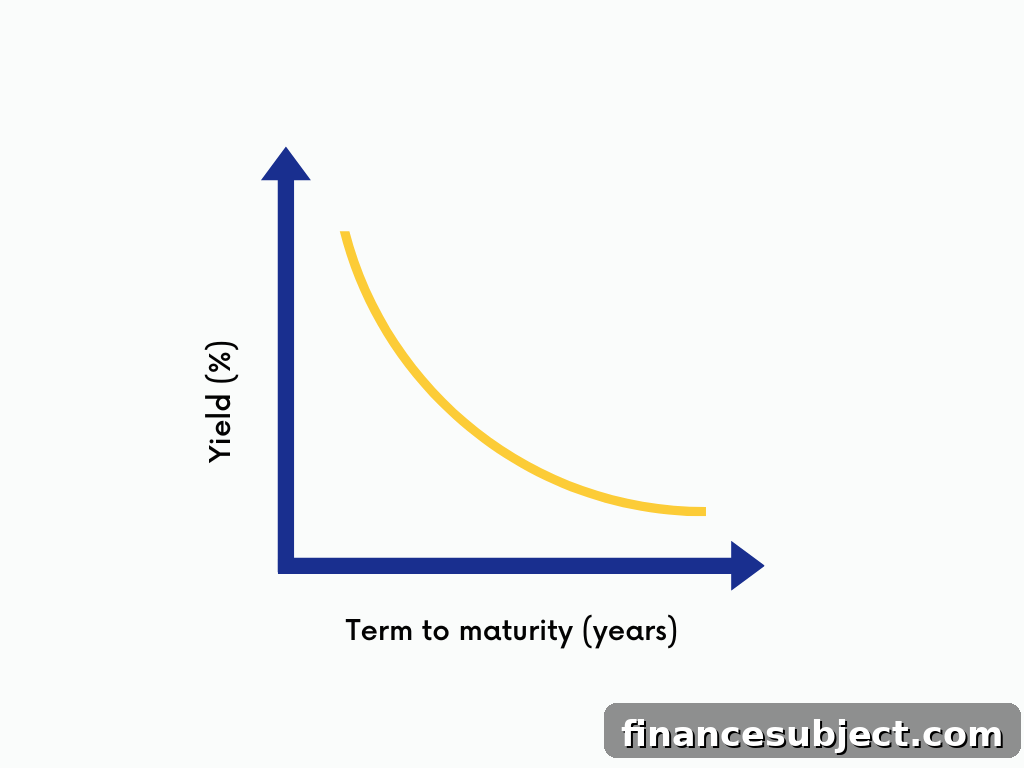
When shorter-term yields exceed longer-term yields, the result is an inverted yield curve. An inverted curve typically reflects market expectations that interest rates will fall in the future and can sometimes signal an impending economic slowdown. In that environment central banks often cut rates to support growth, which affects the returns on both fixed-income securities and deposit products.
Bank of Canada interest rate outlook for 2024
Most professional forecasts expect interest rates in Canada to decline during 2024. Several major banks project one to one-and-a-quarter percentage point reductions in the Bank of Canada’s policy rate over the course of the year. Forecasts are not guarantees, but the prevailing view among economists is that policy rates will ease if inflation continues to slow and economic growth softens.
For GIC buyers, the expectation of lower rates next year raises an important timing question: lock in today’s relatively high rates now, or wait in hopes that yields move higher before falling? The right choice depends on your goals, time horizon and tolerance for uncertainty.
Interest rate: 3.25%

Interest rate: 3.50%

If you prefer flexibility, a high-interest savings account is an alternative to GICs. Compare leading savings accounts for current rates.
Fixed-income alternatives to GICs
Bonds suffered significant losses in 2022 after rapid rate increases because bond prices and interest rates move in opposite directions. If interest rates decline in 2024, bonds could rebound as their prices rise. The aggregate yield on the broad Canadian bond index is currently in the mid-single digits while its duration — a measure of sensitivity to rate changes — suggests material price upside if rates fall.
Duration shows how much a bond’s price is likely to change for a given change in interest rates. For example, a bond portfolio with a duration of about seven years could increase in value by roughly 7% if interest rates fall by one percentage point. That potential price gain, combined with the income yield, could produce strong total returns if the rate outlook moves as expected.
Long-term bonds deliver larger price swings for a given change in rates: more upside when rates drop, but more downside if rates rise further. For GIC investors seeking to lock in attractive long-term yields, modest exposure to bonds can diversify interest-rate risk and capture potential gains if policy rates are cut.
For risk-averse savers, the appeal of a GIC yielding around 6% remains clear: predictable income with principal protection. Still, balancing GICs with selected bond holdings can help manage the trade-off between safety and opportunity.
Tax treatment of GIC returns in 2024
GIC interest earned inside registered accounts such as RRSPs and TFSAs is shelterd from immediate tax: interest grows tax-deferred in an RRSP and tax-free in a TFSA. In taxable non-registered accounts, interest is taxed as ordinary income in the year it is received or accrued.
For example, an investor in Ontario with $100,000 of taxable income faces a marginal tax rate on interest income of roughly 31%. On a 6% GIC, after tax the effective return would be closer to 4.1%. By contrast, a similar overall 6% return from Canadian equities, split between eligible dividends and capital gains, often faces lower effective tax rates because dividends receive preferential treatment and only half of capital gains are taxed.
This tax difference means that, in a taxable account, dividends and capital gains can be more tax-efficient than interest. As a result, a stock portfolio producing a lower pre-tax return than a GIC can still deliver a higher after-tax return for certain investors, especially those in higher tax brackets. Always consider the account type and tax implications when comparing GICs, bonds and equities — after-tax return is what determines your real purchasing power.
Should you buy GICs in 2024?
GIC rates are among the highest seen in decades, which makes them attractive for conservative savers. Forecasts point toward lower interest rates in 2024, but the timing and magnitude of any cuts are uncertain. If rates fall next year, bond prices could rebound, while GIC rates will likely adjust downward on the back of lower policy rates.
If you hold investments in taxable accounts, factor tax efficiency into your decision. A high GIC yield in a tax-sheltered account is very appealing; in a taxable account, a significant portion of the nominal return may be paid in tax. For investors with a medium- to long-term horizon and a tolerance for market volatility, equities remain an option for potentially higher pre- and post-tax returns. Conservative investors who prioritize capital protection and predictable income will still find GICs a solid choice in this rate environment.
Read more about GICs:
- How GIC interest rates work
- 6 times when a GIC is a smart investment choice
- Are GICs a good investment right now?
- How to ladder your GICs in Canada