
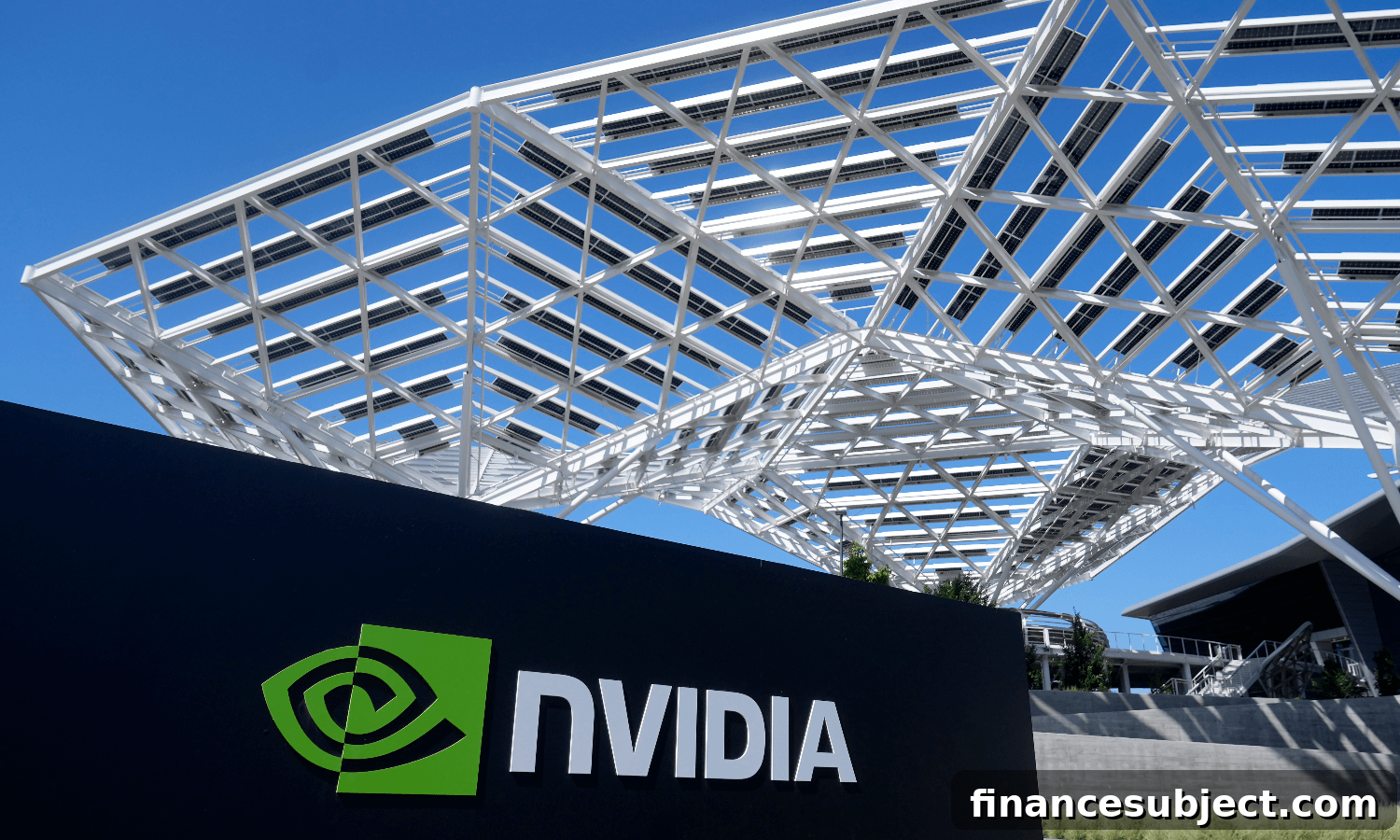
Nvidia reported blockbuster results, with profits and revenue surging on sustained demand for its AI-focused chips, yet the market response was muted as investors weighed whether the company’s rapid growth can continue at the same pace.
For the quarter, Nvidia posted a net income of $16.6 billion, or $16.95 billion on an adjusted basis that excludes one-time items. Revenue climbed to $30 billion, a 122% increase year-over-year and a 15% rise from the prior quarter. Those gains far outpaced the broader S&P 500, where companies were projected to deliver roughly 5% revenue growth for the quarter, according to FactSet. Despite the strong performance, Nvidia shares slipped nearly 4% in after-hours trading.
Third-quarter revenue expected to reach USD$32.5 billion, company says
Nvidia offered guidance for the next quarter that indicates continued momentum but at a slightly slower acceleration than investors have recently come to expect. The company forecast third-quarter revenue of $32.5 billion, plus or minus 2%. Adjusted earnings per share for the reported quarter were $0.68, up from $0.27 a year earlier.
Market strategists say the disappointment was not in Nvidia’s results themselves but in how those results compared with the extremely high expectations set by recent quarters. “NVDA beats on earnings are almost a given, but the size of the beat was smaller this time,” said Ryan Detrick, chief market strategist at Carson Group. Even though future guidance was raised, it didn’t match the unusually large jumps investors have seen in some previous quarters.
Also read
The best online brokers, ranked and compared
Increasing demand for Nvidia chips and data centres
Nvidia has become one of the stock market’s largest companies by capitalization as tech firms and cloud providers invest heavily in the specialized chips and data center infrastructure needed to develop and run generative AI systems. These systems—capable of drafting documents, generating images and delivering conversational assistance—have driven a surge in demand for Nvidia’s GPUs and AI accelerators.
Founder and CEO Jensen Huang told analysts that customers are seeing immediate returns from investing in Nvidia hardware. “It’s the best ROI for computing infrastructure you can make today,” he said, underscoring why enterprises and cloud providers continue to scale their AI deployments.
The rapid adoption of generative AI helped push Nvidia briefly to the top of the S&P 500 in June. The company’s market value has climbed past $3 trillion as investors factor in the central role its chips play in training and running large language models and other advanced AI applications.
Nvidia plans to increase production of Blackwell AI chips
Nvidia’s finance team said the company will ramp up production of its next-generation Blackwell AI chips starting in the fourth quarter and continuing through fiscal 2026. CFO Colette Kress indicated Nvidia expects several billion dollars of Blackwell-related revenue in the upcoming quarter and projects higher shipments of its Hopper GPUs in the second half of fiscal 2025.
Huang told Bloomberg Television he expects another strong year ahead for the company, reflecting confidence in continued enterprise and cloud spending on AI infrastructure.
Investors have bid Nvidia’s stock to historically high valuations: through the first half of the year, the share price rose nearly 150% and traded at more than 100 times the company’s trailing 12-month earnings. That premium valuation means the stock can be sensitive to any hint that AI demand might slow, and analysts warn a correction could follow any softening of growth trends.
Analyst Dan Ives of Wedbush Securities described the results as part of an “historic, meteoric rise” for Nvidia and its CEO. He noted that some market participants were focusing on small gaps between expectations and guidance, even as the underlying demand for AI technology continues to accelerate. “Investors will overreact to short-lived weakness,” Ives said, but he also suggested the long-term trajectory for AI adoption remains compelling.
In summary, Nvidia’s latest quarter reinforces its leadership in supplying the chips and data-center systems that power modern AI. The company’s outlook points to continued growth—supported by new product ramps such as Blackwell—yet investors remain vigilant, pricing in strong results and reacting quickly to any signals of a deceleration in AI spending.
Newsletter
Get free MoneySense financial tips, news & advice in your inbox.
Read more news:
- Canadian banks earnings reports
- Canada’s inflation rate falls to 2.5%, paving way for another interest rate cut
- Fractional trading puts pricey stocks within reach of new and younger investors
- Markets response to U.S. Federal Reserve