
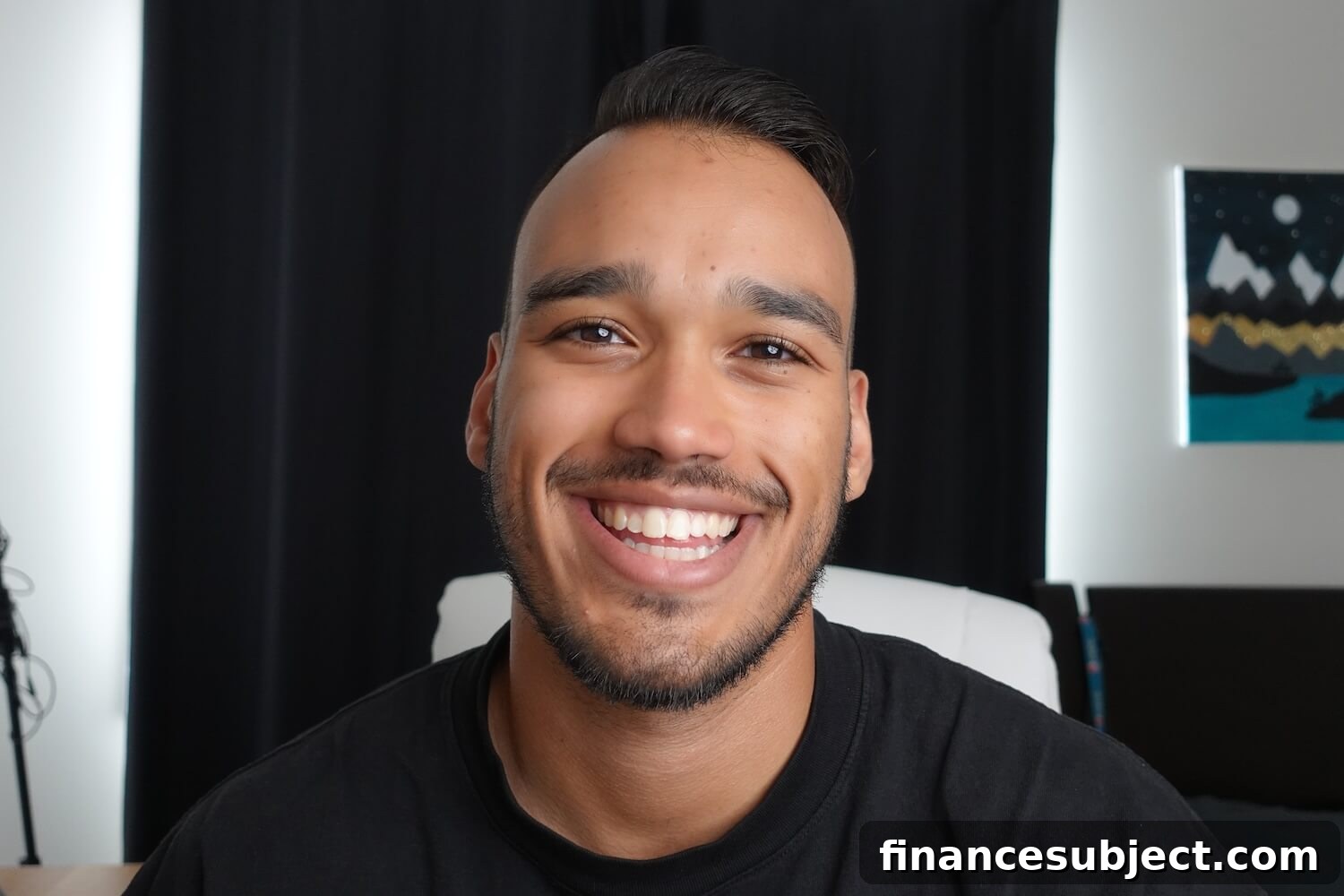
Nathan Kennedy once admired podcasters and personal finance bloggers who could break down money topics into plain language that anyone could grasp. A junior sales and marketing executive in several companies at the time, he absorbed lessons from creators who made finance approachable. Today, Kennedy has become one of those creators. With a combined following on TikTok and Instagram that’s approaching one million, the 27-year-old University of Western Ontario graduate left traditional employment in 2021 to focus full-time on his work explaining money matters. He launched the podcast New Money with Nathan Kennedy in 2019 and has built a distinct, animated, streetwise voice on social media under the handles @NateNewMoney and @NewMoneyNate. He speaks directly to people in their 20s—covering negotiating raises, using credit cards responsibly, and avoiding costly mutual fund fees—with a style that resonates with a younger audience.
Who are your money/finance/investing heroes?
Kennedy credits a generation of personal finance bloggers and educators from the 2010s for inspiring him while he was at university. Names like Mr. Money Mustache, Ramit Sethi and The Financial Samurai influenced how he thinks about money, not as distant finance jargon but as practical, everyday choices that shape long-term outcomes.
How do you like to spend your free time?
He spends downtime listening to podcasts and playing as many sports as his schedule allows. Staying active and curious is part of how he stays energized and creative in his work.
If money were no object, what would you be doing right now?
Even without financial pressure, Kennedy says he’d likely be doing the same work he’s doing now: creating content, educating others about money, and building community around better financial habits.
What was your earliest memory about money?
Early experiences with family finances taught him how much money affects everyday life. Those moments shaped his view that earning money is only part of the equation—preserving and managing it is equally important to long-term financial health.
What’s the first thing you remember buying with your own money?
Like many young people, his first purchases were small treats—fast food and similar conveniences that come with independence.
What was your first job?
His first paid position was as a dishwasher. He remembers using his initial earnings on food and small personal expenses, a simple but formative step into managing money earned from work.
Tools
MoneySense’s ETF Screener Tool
What was the biggest money lesson you learned as an adult?
Investing in yourself returns dividends that often outpace market returns. Kennedy still endorses low-cost index funds as a core investing strategy, but he emphasizes that using time and money to develop skills—whether to switch careers, earn a promotion or launch a business—can multiply your earning potential. That extra income can then be reinvested into diversified assets, creating a compounding cycle for building wealth.
What’s the best money advice you’ve ever received?
“Bet on yourself.” This succinct guidance captures his belief in prioritizing personal development and taking calculated risks that increase future opportunities.
What’s the worst money advice you’ve ever received?
To finance a car and stretch out the payments as long as possible. Prolonged auto financing increases total interest paid and can limit flexibility in other financial goals.
Would you rather receive a large sum of money all at once or a smaller amount regularly for life?
He prefers a lump sum paid all at once—an option that, when managed sensibly, can be invested or used to pursue opportunities that generate further returns.
What do you think is the most underrated financial strategy?
Understanding how credit utilization affects your credit score. Using a large share of your available credit can hurt your score even more than the number of accounts you hold. Keeping utilization below about 30% is a straightforward tactic with meaningful benefits for loan terms and borrowing power.
What is the biggest misconception people have about growing money?
That they’re not capable of doing it. Kennedy stresses that consistent, small decisions—saving regularly, investing over time, building skills—add up into real financial progress for almost anyone willing to start.
Can you share a money regret?
He once maxed out his first credit card. Although it was a hard lesson, it taught him discipline and the importance of managing credit responsibly.
What does the word “value” mean to you?
Value is whatever provides meaningful benefit. For Kennedy, that includes experiences and small pleasures—he’s a self-described foodie who especially enjoys desserts—balanced with spending that aligns with long-term goals.
What’s the first major purchase you made as an adult?
His first significant buy was a car. He researched carefully and negotiated to get a fair price, illustrating the pay-off from preparation and comparison shopping.
What’s your take on debt?
Debt is a tool: it can accelerate wealth when used strategically—such as investing in education or a business—but it can also become an anchor when misused. The key is disciplined borrowing and clear plans to manage repayments.
What was your most recent splurge?
Travel. He values experiences and sees travel as a meaningful way to spend discretionary money when it fits within an overall plan.
What is the last money-related book you read?
He recently read a history of central bankers to better understand how monetary policy shapes the economic landscape—an interest that helps him contextualize current financial conditions.
What is your favourite possession?
He doesn’t single out one prized item, though his phone is indispensable for work and daily life.
What’s your next money goal?
Reaching financial independence. That goal guides his choices around income growth, saving, and investing.
Rankings
The best online banks and credit unions in Canada
My MoneySense quick questions
Rent or own?
Rent.
Buy or lease?
Buy.
Save or invest?
Invest.
Budget or not?
Budget.
More from My MoneySense:
- Ms. Money and Math adds up the good advice and subtracts the bad
- Taking risks and trusting your gut: Julie Barlow’s self-employment tips
- Tareq Hadhad unpacks his investing journey and how Peace By Chocolate came to be
- Finfluencer Joyee Yang on making the smart money moves early