
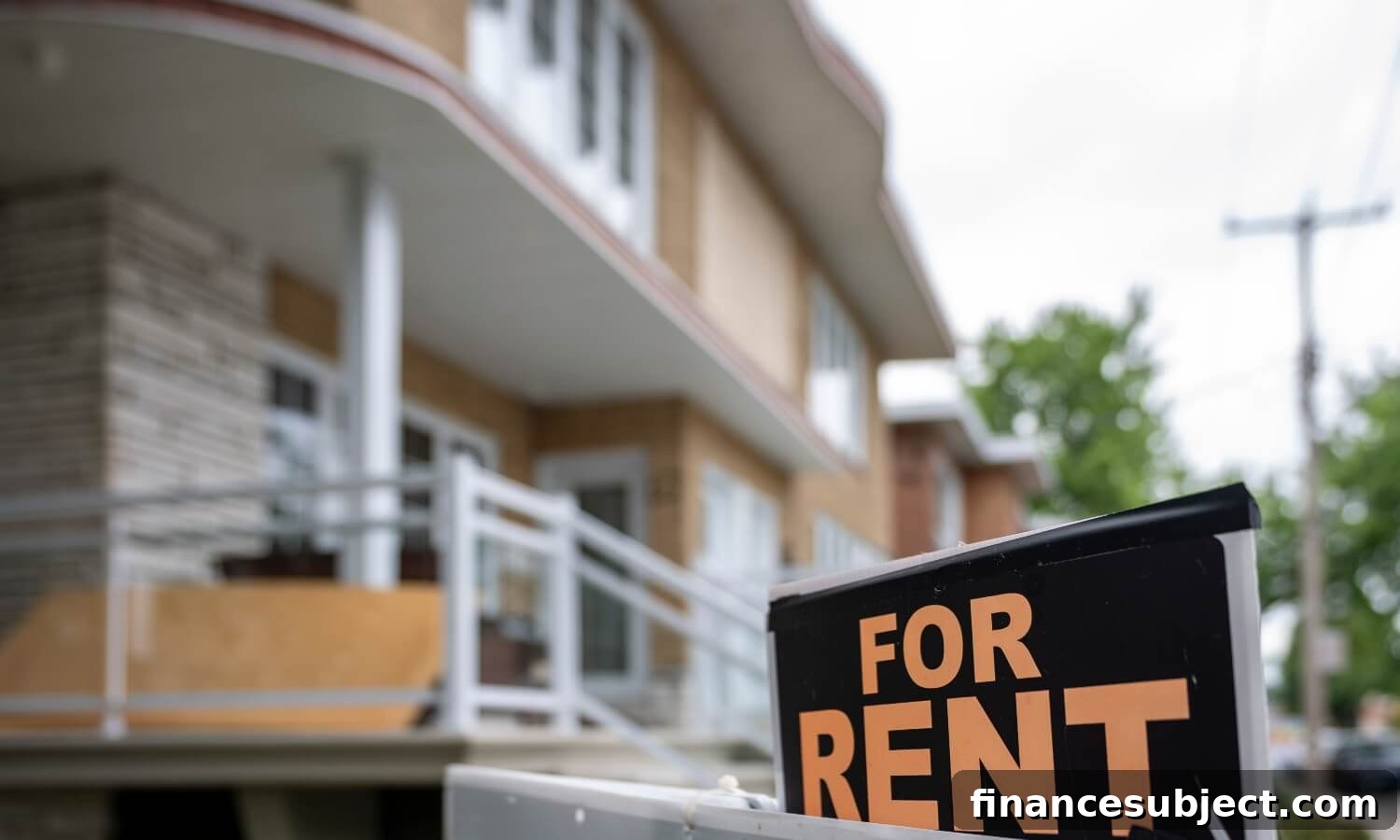
Paying rent is often one of the largest monthly obligations for many people, comparable to a mortgage in size. Historically, renters have not received the same credit recognition for consistently paying large monthly rent amounts as homeowners do for mortgage payments. New rent-reporting services are changing that by connecting renters and landlords with credit bureaus so timely rent payments can be included in a renter’s credit history. The goal is to help renters build credit and improve their prospects when applying for a mortgage or other forms of credit.
Rent reporting can help boost credit scores
“Your rent is your biggest monthly obligation for debt payments so it’s unfair that it’s not counted towards building your credit,” said Viler Lika, founder and CEO of rental services company SingleKey.
Rent-reporting platforms such as SingleKey, Zenbase, Borrowell, and FrontLobby serve as intermediaries between tenants, landlords, and credit bureaus. Each platform has its own fees and enrollment requirements. For example, SingleKey works with landlords and property managers across Canada and screens more than 15,000 rental applications monthly. On that platform, landlords pay a $30 fee for a tenant screening report, and tenants can opt to report their rent for about $8 per month.
Rent reporting provides tangible evidence to lenders that a borrower can manage a significant recurring payment. “This is a very powerful tool for graduating towards home ownership as a renter because you’re demonstrating to the lender that you have the ability to pay a large amount,” Lika said. When rent payments are consistently reported as on-time, they can strengthen the payment history portion of a credit file, which is one of the most influential factors in many credit scoring models.
These platforms generally accommodate life changes, such as pauses in reporting when a renter temporarily moves back in with family, without necessarily harming the credit profile. This flexibility can be important for people whose circumstances change during the path to homeownership.
Resource highlight
Find the perfect card with CardFinder
In under 60 seconds, get matched with a personalized list of the best credit cards based on your spending personality and approval likelihood. No SIN required.
Powered by ratehub.ca
Rent reporting isn’t risk-free
Although rent reporting can expand access to credit and encourage on-time payments, it also carries potential downsides. Alex Leduc, CEO and principal broker of Toronto-based mortgage brokerage Perch, warns that making rent part of an official credit file can reveal payment issues that would otherwise remain private. “If you stop reporting, it would be a red flag to lenders and they would dig deeper,” he said. “And if you keep reporting and arrears show on your credit report, then your credit score would likely go down as a result.”
Leduc recommends renters avoid enrolling in a rent-reporting program if they expect to miss payments or pay only a few days late. In such cases, reporting could illuminate a poor repayment pattern that might have gone unnoticed by lenders. Conversely, consistent, on-time reporting can be especially valuable for people who otherwise have thin or non-existent credit files.
Rent reporting can be particularly helpful for longtime renters, new immigrants, and aspiring homeowners who lack traditional credit history. “Not having a credit score is a massive impediment to getting credit at all,” Leduc said. “When you’re trying to get a mortgage, you’re ultimately asking a lender to give you hundreds of thousands of dollars … They want to know you’ve managed credit successfully before.”
When preparing a mortgage application, Leduc highlights three main components lenders review: credit score, down payment, and income. While a down payment can sometimes be addressed through assistance or gifted funds, and income can be documented in various ways, a weak credit history may be the most difficult hurdle to overcome.
Understanding credit ratings and scores
Stacy Yanchuk Oleksy, CEO of Money Mentors and a certified credit counsellor, says people often confuse credit ratings with credit scores. A credit rating typically refers to an assessment for each individual credit product, and in some systems this rating is measured on a scale where lower numbers indicate better standing. As payments are missed, that rating moves in the unfavorable direction; extreme delinquencies can lead to ratings that reflect collections or bankruptcy.
A credit score, by contrast, is a three-digit number—commonly ranging from 300 to 900—that summarizes the overall likelihood that you will repay borrowed money. The higher the score, the more creditworthy you appear to lenders. Scores are calculated from many pieces of information in your credit report, with payment history, credit utilization, length of credit history, and other factors all playing a role.
Oleksy notes misconceptions about what helps or hurts a score. For example, being granted a high credit limit can sometimes appear disadvantageous in score calculations because the available credit might be treated as potential debt. Even if you pay a balance in full every month, a large amount of available credit can affect certain scoring factors like utilization ratios and the perceptions that come with them.
Newsletter
Get free financial tips, news & advice in your inbox.
Related news
- Tariffs, government spending, gas prices—what’s driving inflation right now?
- Restaurant visits drop as Canadians tighten wallets
- Nvidia teams up with Intel in a major deal to shape the AI landscape
- Stock news roundup: corporate earnings and market reactions
Deciding whether to enroll in a rent-reporting program requires weighing benefits and risks. If you consistently pay rent on time and want to build a stronger credit profile, reporting those payments can make a meaningful difference. If your payment history is inconsistent, however, reporting may expose issues that could affect lending decisions. Before opting in, consider discussing your situation with a trusted financial advisor or mortgage professional so you can make an informed choice that aligns with your long-term homeownership goals.