The cost of living in Canada is high and has been rising for several years. Canadians face above-average prices for many goods and services—from groceries and cell phone plans to flights—while inflation since the COVID-19 pandemic has kept pressure on household budgets. Understanding why certain costs are high can help you make better financial decisions and find ways to cut expenses.
Not everything in Canada is more expensive than elsewhere. Prices for some items can be lower than in other countries, but for several essential categories—groceries, wireless plans and air travel—Canadians often pay more than consumers in comparable nations. The reasons vary by sector and include industry concentration, geography, infrastructure costs, and government taxes and fees.
Why are groceries so expensive in Canada?
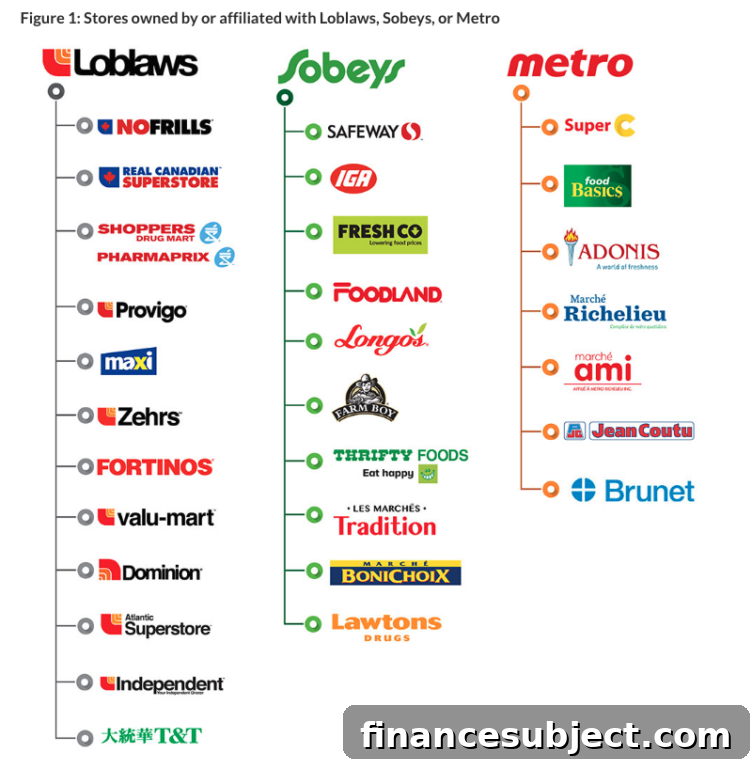
Grocery prices in Canada reflect several structural and market factors. Shipping food across a vast country increases distribution costs. More significantly, Canada’s grocery market is highly concentrated: a handful of national chains account for most food sales, and major retailers also own discount and regional banners. This consolidation can reduce competitive pressure and limit pricing incentives that benefit consumers.
Over the past few decades, mergers and acquisitions have reduced the number of large, independent grocery operators. Where once more than half a dozen distinct national players existed, today a few large companies operate multiple brands and banners. That concentration can make it harder for new competitors to gain a foothold, and it can allow dominant firms to increase profit margins on food products.
Regulators and consumer advocates have debated whether consolidation directly raises prices. Grocery executives often point to inflation, supply chain disruptions and higher input costs from suppliers as drivers of price increases. While these factors are real, evidence indicates that the share of profit supermarkets earn on groceries has risen, contributing to the overall cost Canadians pay at the checkout.
How to save on groceries
There are practical steps consumers can take to lower their grocery bills. Plan meals, create and stick to a grocery budget, buy in bulk for non-perishables, and reduce food waste by storing and using leftovers effectively. Shop at independent and regional stores where possible, compare prices across chains, and consider loyalty programs or rewards credit cards designed for grocery savings. Small habits—like bringing a list and avoiding impulse purchases—add up over time.
Why are cell phone plans so expensive in Canada?
Canada’s wireless market is also dominated by a few national carriers. With three major providers controlling the majority of spectrum and network infrastructure, price competition is limited. Large carriers often operate lower-cost sub-brands, which can reduce the visibility of true competitive alternatives. Foreign entrants face barriers, and the economics of building nationwide wireless infrastructure in a country with a sparse and spread-out population are challenging.
International comparisons show that, on average, Canadians pay more for many wireless plan tiers than consumers in other advanced economies. Depending on plan features—minutes, texts and data—Canada’s prices often sit above comparable plans in the U.K., France, Italy, Germany and Australia. Some high-end plans in Canada are closer to prices in Japan, while lower-tier plans in the U.S. can be more expensive than in Canada.
Regulatory efforts have tried to increase access for smaller carriers and resellers, but rules that require network ownership or commitments to build regional infrastructure can limit the growth of purely virtual operators. That emphasis on physical infrastructure raises the cost of entry and can keep prices higher than they might be under a more open resale model.
How to save on your cell phone plan
If you want to reduce your wireless bill, shop beyond the major national brands. Regional carriers and resellers often offer significantly lower prices. Discount sub-brands owned by larger providers can also be competitive. Compare plans carefully—look at data allowances, overage fees, and what features really matter to you—and switch when you find a demonstrably better option.
Sample wireless plan price comparisons
| Wireless service | Canada | U.S.A. | Australia | U.K. | France | Italy | Germany | Japan |
|---|---|---|---|---|---|---|---|---|
| Level 1 (Talk and Text) | $26.19 | $52.00 | n/a | n/a | $6.40 | $15.31 | $9.13 | $35.65 |
| Level 2 (1 GB) | $28.14 | n/a | n/a | n/a | n/a | n/a | n/a | $41.69 |
| Level 3 (2–4 GB data) | $39.15 | $60.51 | n/a | $21.01 | n/a | n/a | $18.35 | $89.23 |
| Level 4 (5–6 GB data) | $45.47 | $48.94 | n/a | $23.63 | $25.45 | n/a | $27.51 | $110.27 |
| Level 5 (7–9 GB data) | $54.01 | $57.67 | n/a | $21.78 | n/a | n/a | $45.83 | $117.77 |
| Level 6 (10–19 GB data) | $55.42 | $66.63 | $28.24 | $23.72 | $43.05 | n/a | $47.53 | $78.32 |
| Level 7 (20–49 GB data) | $72.81 | n/a | $44.91 | $29.94 | n/a | n/a | $76.43 | $98.04 |
| Level 8 (50–99 GB data) | $101.74 | n/a | $38.99 | $32.55 | $40.39 | $29.32 | $70.44 | $111.88 |
These figures illustrate how plan costs vary by country and plan tier. They also show that while Canada is not always the most expensive market for every tier, Canadians often pay more than people in several other advanced economies for comparable plans.
Why are airline flights so expensive in Canada?
Air travel in Canada is expensive for several reasons that echo issues in other sectors. The market is dominated by a few large carriers, and serving a geographically large country with many remote communities raises operating costs. Low passenger volumes on many domestic routes make it harder to achieve the same economies of scale seen on dense routes in Europe or the U.S.
Airport fees are an especially large factor. Major Canadian airports are run by local airport authorities and rely heavily on fees charged to airlines for landing, gate use, security and passenger services. Those fees are generally higher in Canada than at comparable foreign airports, and they are passed on to passengers. In some cases, combined fees and charges can represent a significant portion of a ticket’s final price.
How to save on travel
To reduce airfare costs, consider traveling in off-peak seasons, use low-cost carriers when feasible, and take advantage of travel rewards programs and travel-focused credit cards. Flexible dates, booking in advance, and watching for promotions can also yield savings. Remember that low-cost carriers may charge extra for baggage, seat selection and other add-ons, so compare total trip costs before booking.
What about the prices of gas, alcohol and other items?
Some everyday prices in Canada are driven less by market concentration and more by government taxes and levies. The federal government and provincial governments apply excise and specialty taxes to products such as gasoline, alcohol, tobacco and cannabis. Excise taxes are typically applied to producers and passed on to consumers at retail.
For gasoline, the pre-tax and tax components both matter. While global oil prices largely determine the base fuel cost, combined federal and provincial taxes and carbon levies add substantially to pump prices. The total tax burden on gasoline varies by province, which explains part of the variation in what drivers pay.
Alcohol prices are also affected by layered taxes. Federal and provincial excise taxes, plus sales taxes, can increase retail prices substantially. These taxes are often intended to both raise revenue and modify consumption behavior, but they contribute to the higher price point consumers see at stores and bars.
How to save on gas and alcohol
To save on alcohol, choose to drink at home rather than at bars, look for specials, buy domestic or lower-cost brands, or shop duty-free when travelling internationally. To cut fuel costs, compare prices between stations, plan trips to reduce driving, adopt fuel-efficient driving habits, and consider upgrading to a more fuel-efficient vehicle or a hybrid/electric model when financially feasible.
Why is Canada so expensive? Does it have to be?
High living costs in Canada are the product of multiple forces: market concentration in key industries, geographic and infrastructural challenges, and government taxes and fees. Some of these factors—like regulatory frameworks and infrastructure economics—are beyond individual control. Still, consumers can respond by being informed, comparing options, reducing waste, timing purchases, and adopting cost-saving habits.
Awareness of the specific drivers behind each expense helps households prioritize where to focus effort. Whether it’s switching to a cheaper wireless plan, adjusting grocery routines, or timing travel to avoid peak pricing, small changes can ease the pressure on your budget.
Read more about Canada’s cost of living:
- How to deal with money and your finances when the economy is stressing you out
- How much does it cost to raise a child in Canada?
- How much can a landlord increase rent?
- How much should you tip at restaurants in Canada?