
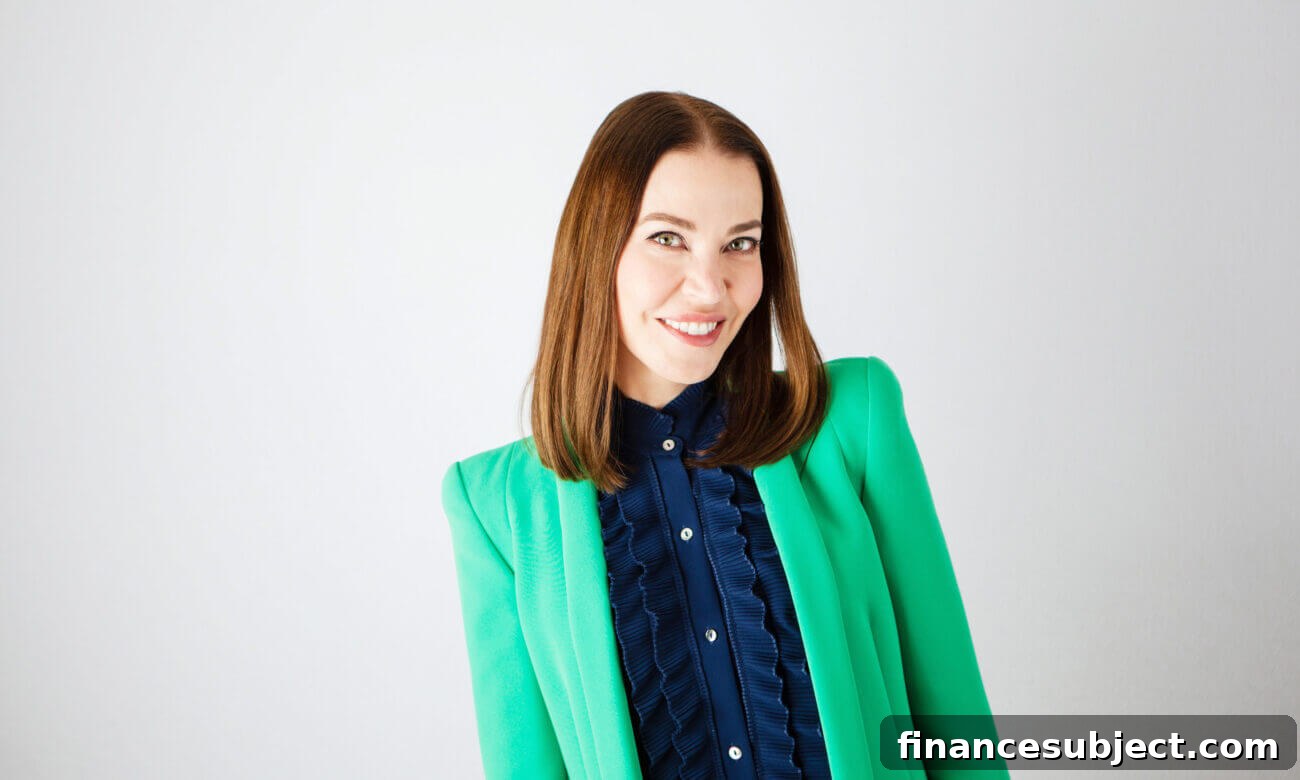
If Kerry K. Taylor looks familiar, you’ve probably seen her on television offering clear, practical personal finance tips on programs such as CBC’s The National and CTV’s Your Morning. A seasoned financial journalist who has contributed to publications like the Globe and Mail and the Toronto Star, Kerry is the founder and voice behind Squawkfox.com, an award-winning personal finance site launched in 2007. She also hosts The Cash and Kerry Podcast, where she explores money, investing and everyday financial decisions. Originally from Toronto, Kerry now lives off the grid in rural British Columbia, where she spoke with MoneySense.
Who are your financial heroes?
My heroes are the advocates who defend investors’ rights across Canada. The recent nationwide ban on unfair mutual fund fees—such as deferred sales charges—reflects years of work by advocacy groups and marks a meaningful victory for Canadian investors. These efforts highlight how policy change can improve outcomes for everyday people.
How do you like to spend your free time?
I walk—often and long. Walking isn’t only exercise; it’s a way to disconnect from screens, find solitude and think clearly. Most of my best writing starts as thoughts I work through while walking in the forest near my home.

If money were no object, what would you be doing?
I’d be doing exactly what I do now: living simply in the forest, writing about personal finance, producing radio and TV segments from my home studio and hosting my podcast. You’d probably also find me driving an orange tractor. Financial independence for me is about freedom to choose meaningful work and the lifestyle that fits it.
What’s your earliest memory about money?
When I was about five, my father gave me his pennies because they cluttered his wallet. After collecting about 100, I learned the same lesson: coins are heavy and messy. That early experience taught me an important behavioural finance lesson—form matters. Bills felt easier to spend than coins, and today digital wallets make spending even more frictionless. Behavioral science plays a big role in how I advise people to build simple barriers against impulsive, FOMO-driven purchases.
What’s the first thing you remember buying with your own money?
The first thing I bought was a pink yo-yo. I regretted it immediately—my hands were too small to make it work—so buyer’s remorse became a lesson that has informed my spending choices ever since.
What was your first job?
My first paid work was babysitting neighbourhood children twice a week. My first paycheck was a physical cheque for $25—and it was misspelled, which was a disappointment at the time. I also delivered the local Pennysaver to nearly 200 homes each week. The pay was small, the bag was heavy, but I stuck with it to save up for a Walkman. Those early jobs instilled work ethic and the habit of saving toward short-term goals.
What was the biggest money lesson you learned as an adult?
I graduated university during a recession and was anxious about protecting savings. I parked cash in GICs at decent rates, but in hindsight I would have balanced safety with a longer-term allocation to equities. Time on your side in your 20s is a powerful advantage for compounding growth. Still, paying off a $17,000 student loan within six months taught me the value of living debt-free early and how that can accelerate later savings and investment opportunities.
What’s the best money advice you’ve ever received?
Have diversified income. Relying on a single employer makes your finances vulnerable. As a sole proprietor, I earn money from multiple sources—writing, speaking, podcasting—so I have flexibility and bargaining power. Diversified income streams reduce risk and increase choice about how to spend your time.
What’s the worst money advice you’ve ever received?
I don’t have a standout example. I intentionally surround myself with people who are smarter and more experienced; their perspectives have been constructive and informative rather than harmful.
Would you rather receive a large sum of money all at once or a smaller amount regularly?
Either is fine. Windfalls are exciting but easy to squander; regular payments demand discipline. My approach would be to automate transfers and treat any incoming money as part of a plan, not as “fun” or free cash. Money is fungible—what matters is the system you put around it.
What do you think is the most underrated financial strategy?
Get a professionally prepared will and power of attorney from an estate lawyer. It’s practical, essential and often overlooked. Proper estate planning protects your family and your assets.
What is the biggest misconception people have about growing money?
Many people underestimate how much behaviour influences financial outcomes. Even with knowledge, we act irrationally. Learning basic behavioural finance—how emotions, defaults and small frictions affect decisions—helps you design better systems to avoid common money mistakes.
What does the word “value” mean to you?
Value means time with the people I love. At the end of life, few people regret not owning more things; they wish for more shared experiences. I prioritize spending on experiences over material goods.
What’s the first major purchase you made as an adult?
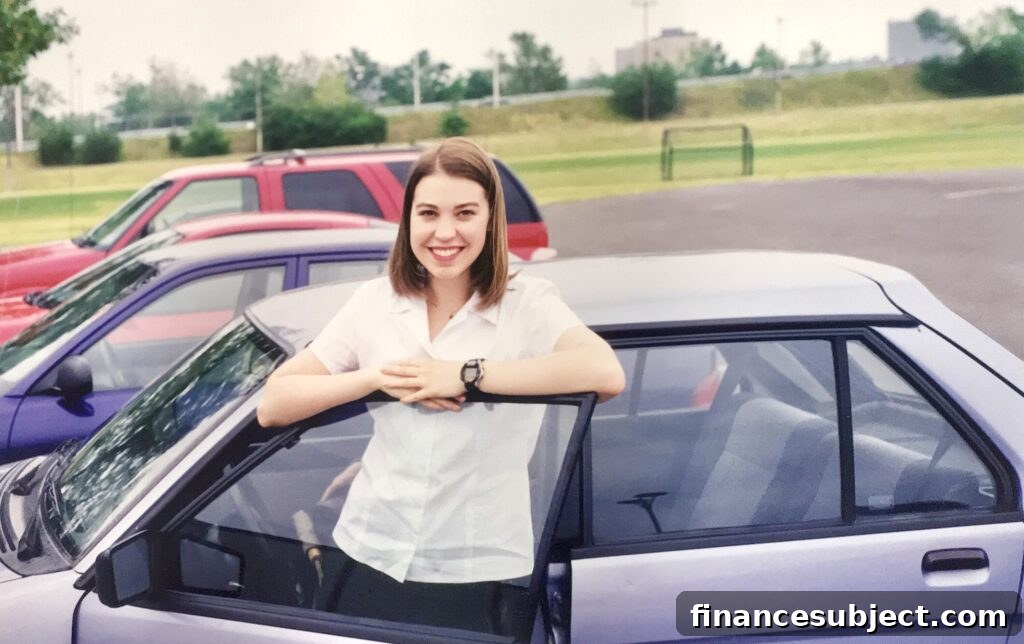
My first significant purchase was a second-hand lilac Subaru Justy—small, four-wheel drive and manual. It was modest but ideal for Toronto winters and often left luxury cars stranded in snowbanks. Another life-changing purchase was a one-way ticket to British Columbia, which required more careful consideration but became one of the best decisions I made.
What’s your take on debt?
Pay it off when you can. Debt reduces options and increases stress; managing or eliminating high-interest liabilities is usually a priority in any healthy financial plan.
What was your most recent splurge?
I bought a professional-grade coffee machine with a built-in grinder to enjoy specialty coffee at home. It feels indulgent, but small comforts can boost daily quality of life—and may save money over time compared with daily café visits.
What is the last money-related book you read?
Katy Milkman’s How to Change impressed me. Her blend of behavioural research and practical strategies makes it a useful read for anyone trying to build better habits—financial or otherwise. I enjoyed the audio edition because I could walk while listening.
What is something you always have in your wallet?
I carry a spare dose of antidepressants. Living in a region prone to wildfires, floods and avalanches means evacuation is a real risk; having essential medication on hand is a practical safeguard for both physical and mental health.
What is your favourite possession?
A second-hand Victoria Beckham dress is my favourite. I wear it often for television appearances because it simplifies getting ready and feels reliably put together.
What’s your next money goal?
To be able to pay for groceries without crying—a tongue-in-cheek way to say I’m focused on financial stability and emotional resilience amid rising living costs.
Quick money questions
Rent or own?
The pandemic and rising interest rates shifted housing affordability for many. Do the math and live where you can afford today. Housing choices can change as markets shift, so prioritize flexibility if that suits your situation.
Buy or lease?
My 2005 Smartcar has been roofless for months due to supply-chain delays, which reminded me that cars can be more hassle than they’re worth. Consider necessity, maintenance costs and reliability when deciding to buy or lease.
Save or invest?
Both. Savings create the foundation for investing, and investing helps money grow over time. Build an emergency fund, then invest for long-term goals.
Budget or not?
I dislike budgets in principle, but I still use one. A flexible budget that reflects your values and allows for life’s surprises can be far more practical than strict rules.
Read more My MoneySense profiles:
- Mixed Up Money’s Alyssa Davies on striving for CoastFIRE, the value of time, and more
- MYNC franchise founder Nathalie Smith on turning a passion project into her full-time job
- “Dragons’ Den” tech titan Michele Romanow on taking risks and betting on yourself
- Tennis star Vasek Pospisil on seizing investment opportunities and living without regrets
- How dating expert Damona Hoffman handles her relationship with money