
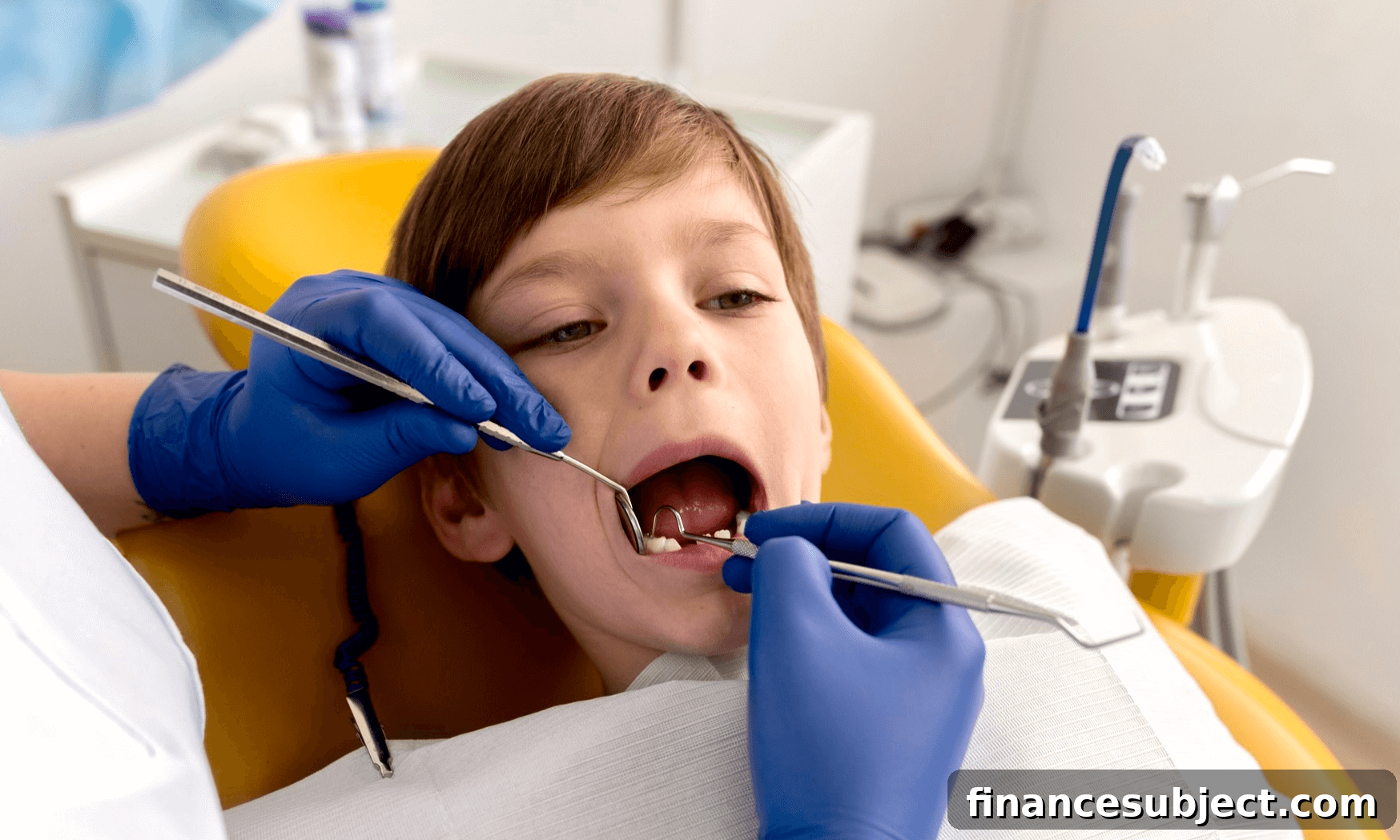
The federal government announced a plan to create a national dental care program in the 2023 federal budget to make dental care more accessible for uninsured low- and middle-income Canadians with an adjusted family net income under $90,000. The Canadian Dental Care Plan (CDCP) is scheduled for full rollout in 2025. As an interim measure, the government launched the Canada Dental Benefit (CDB), which provides direct, tax-free payments to help cover out-of-pocket dental expenses for children under 12. Eligible families can receive up to $650 per child; details on payment amounts are listed below.
The government has committed $13 billion to the CDCP over five years starting in 2023–24. Officials estimate the temporary CDB will benefit about half a million children; by late June the program had received more than 200,000 applications. When fully implemented, the national plan could extend coverage to as many as 9 million uninsured Canadians, including seniors and people with disabilities.
The Canadian Dental Association points out that tooth decay is Canada’s most common preventable childhood chronic disease and often begins in the preschool years. Early access to dental care supports not only oral health but also a child’s ability to eat, speak and learn. Regular dental visits in early childhood help identify problems before they become more serious.
How much is the Canada Dental Benefit?
The Canada Revenue Agency (CRA) sets the CDB payment amounts based on adjusted family net income. If you need to estimate your income, use the CRA’s online tool. The CDB payment levels are:
| Adjusted family net income | Full custody amount | Shared custody amount |
| Less than $70,000 | $650 | $325 |
| $70,000 to $79,999 | $390 | $195 |
| $80,000 to $89,999 | $260 | $130 |
| $90,000 or more | Not eligible | Not eligible |
When can you apply for the Canada Dental Benefit?
The CDB is being offered in two temporary benefit periods. The first period covered services from Oct. 1, 2022, to June 30, 2023; that application window is now closed. The second period covers dental care received, or scheduled to be received, between July 1, 2023, and June 30, 2024. The Canada Revenue Agency administers the benefit and manages applications for the current period.
The Canadian Dental Association says the CDB helps bridge a gap in access to dental care for children under 12 who otherwise lack coverage and encourages eligible families to apply before the program ends on June 30, 2024.
Who can apply for the Canada Dental Benefit?
To apply for the second benefit period (July 1, 2023 – June 30, 2024), an applicant must meet all of the following criteria:
- The child was born on or after July 2, 2011.
- You have a receipt for dental care provided to the child in Canada between July 1, 2023, and June 30, 2024.
- The child is not covered by private dental insurance, a health spending account or equivalent employer plan.
- The child’s dental costs are not fully covered by any other federal, provincial, territorial or municipal program. (If another program later covers the costs, you may be required to repay the CDB.)
- As of July 1, 2023, you are the sole recipient of the Canada Child Benefit (CCB) for the child, or you share custody and receive half of the CCB for that child.
- You and your spouse or common-law partner (if applicable) have filed your 2022 tax returns, or you do not have a spouse/common-law partner as of July 1, 2023.
- Your adjusted family net income in 2022 is under $90,000.
- No one has already applied for an additional payment for that child for the first benefit period (Oct. 1, 2022 – June 30, 2023).
How many times can you apply for the Canada Dental Benefit?
Families could apply once per eligible child during the first period. In the second period, you can apply once per child, or up to twice for a child who did not receive the benefit during the first period. If a child’s dental costs in a benefit period exceed $650 and you applied only once that period, you may be eligible for an additional payment—check CRA guidance for details.
Which dental services qualify for the Canada Dental Benefit?
Eligible services must be provided by regulated oral-health professionals such as dentists, denturists and licensed dental hygienists. The CRA lists qualifying services as including but not limited to:
- Orthodontic care
- Preventive treatments (cleanings, sealants)
- Restorative treatments (fillings, crowns)
- Diagnostic services (exams and X-rays)
- Oral surgery
- Endodontic care (root canals)
- Periodontal treatments
- Prosthodontic services (dentures and prosthetics)
How to apply for the Canada Dental Benefit
You apply for the CDB through the Canada Revenue Agency. The fastest method is via CRA My Account. If you cannot apply online, call the CRA at 1-800-715-8836.
The application requires the date or expected date of the dental appointment, the dental provider’s name, address and phone number, and employer contact details for you and, if applicable, your spouse or common-law partner. After you apply, direct deposit payments typically arrive within five business days if you are set up for direct deposit; cheque payments take about 10 to 12 business days to mail. See CRA instructions for the full application process.
What about dental support for adults and seniors?
At this time, the Canada Dental Benefit applies only to eligible children under 12. The government’s broader Canadian Dental Care Plan, when rolled out, is intended to reach more groups, including seniors and people with disabilities. Watch for official updates on the national plan’s phased implementation.
More about budgeting:
- How much is the Canada Child Benefit in 2023?
- When is Canada’s federal budget grocery rebate coming?
- The best credit cards for groceries
- What are climate action incentive payments?
- How to create a monthly budget: A step-by-step guide for Canadians