

Kyle Prevost, creator of 4 Steps to a Worry-Free Retirement, Canada’s DIY retirement planning course, summarizes this week’s financial headlines and provides context for Canadian investors.
Trump tariffs mean four years of economic chaos
The Canadian economy was jolted again this week by the prospect of sweeping tariffs from the incoming U.S. administration. Memories of 2017–2021 resurfaced as the president-elect’s comments triggered an immediate market reaction and a noticeable drop in the Canadian dollar.
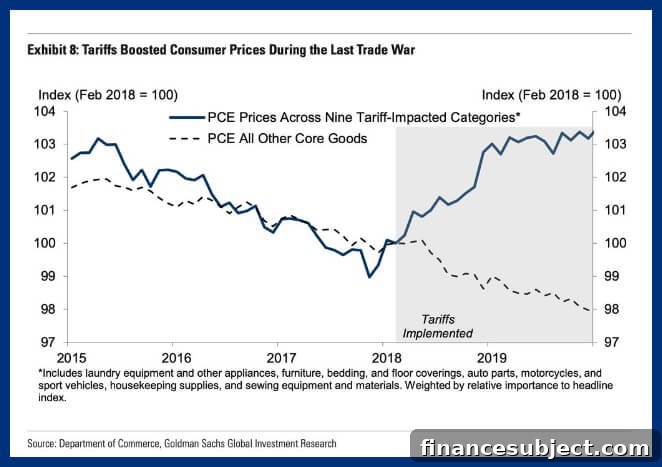
A 25% tariff on Canadian exports to the U.S. would be a severe shock. It would sharply reduce profit margins for Canadian exporters, push many small businesses toward insolvency, and weaken the Canadian dollar—adding upward pressure on inflation. Even talk of tariffs has already unnerved investors and heightened uncertainty for cross-border supply chains and trade flows.
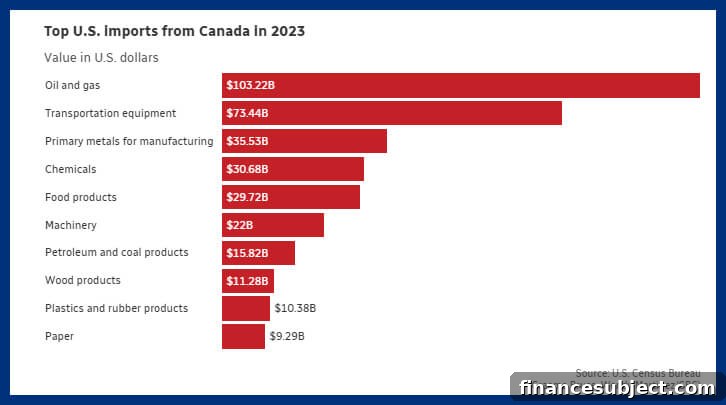
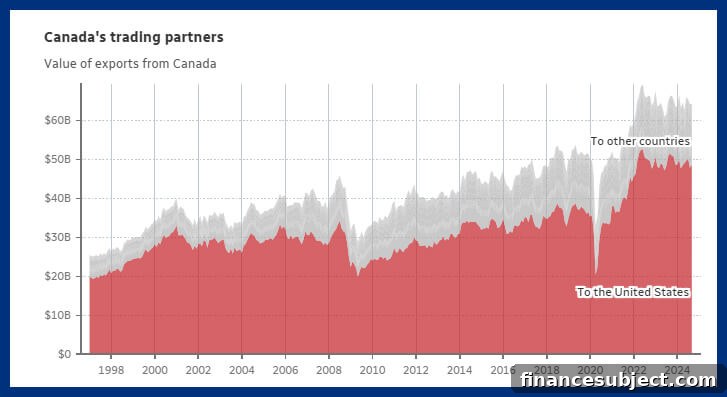
Key points about Canada-U.S. trade exposure:
- Such tariffs would effectively dismantle the existing trade framework established under USMCA.
- Canada exported roughly $614.3 billion in goods to the U.S. last year, making the U.S. the destination for about three-quarters of Canadian exports.
- Analyses suggest a 25% tariff could cut roughly 2.6% off Canada’s GDP and raise costs for the average Canadian household by an estimated $2,000 per year, before accounting for any retaliatory measures.
- Investment in Canada could decline because heightened policy risk discourages new capital commitments.
- About 60% of U.S. oil imports come from Canada, so disruptions could raise North American gasoline prices noticeably.
- Automotive prices could increase significantly if tariffs undermine cross-border vehicle manufacturing and supply chains.
Markets appear divided. Many investors view the tariff rhetoric as negotiation strategy rather than fixed policy. That view, along with statements from some investment banks, helps explain why stock indices have not collapsed despite the shock headlines. Nonetheless, the risk to Canada’s export-dependent economy remains material and warrants monitoring by households and investors alike.
Couche-Tard shareholders take profits over acquisitions
Alimentation Couche-Tard, Canada’s largest convenience-store and gas-station operator, reported quarterly results this week. Because much of its business operates in the U.S., the company reports in U.S. dollars.
Couche-Tard earnings highlights
Quarterly results showed earnings per share of $0.74, ahead of analyst estimates, while revenue came in slightly below expectations at $17.41 billion.
Despite a modest beat on earnings per share, year-over-year results declined about 13.5%. Management attributed the drop to lower gasoline margins, reduced tobacco sales, and softer foot traffic, as customers trimmed discretionary spending. The share price has been volatile as investors digest the company’s strategic ambitions—particularly its pursuit of a large acquisition in Japan—and shifting consumer patterns.
Couche-Tard’s management has emphasized growth through acquisition, but recent shareholder behavior suggests some investors prefer realized gains over financing big deals. The company will likely continue pursuing expansion opportunities, but future bids may face stiffer competition and closer scrutiny.
Macy’s hopes parade overshadows theft
This week brought more activity in U.S. retail, with several apparel retailers reporting better-than-expected results. Nordstrom, Urban Outfitters, and Abercrombie & Fitch all posted earnings beats, reflecting continued resilience in U.S. consumer spending on apparel.
American retailer earnings highlights
Notable quarterly results included solid earnings-per-share reports and modest revenue beats across a handful of large clothing retailers.
However, Macy’s announced a startling internal-fraud investigation that delayed its earnings release: one employee is alleged to have stolen more than $130 million over several years. That loss is roughly equivalent to the company’s total profit for a recent quarter and has dented investor confidence, sending Macy’s shares lower. Management is hoping high-profile events like the Thanksgiving Day Parade help shift public attention away from the company’s governance lapse.
Overall, retail results were mixed but highlighted a durable U.S. consumer alongside pressures from logistics and freight-cost disruptions earlier in the year.
What!? Me, worry?
Investor sentiment has swung dramatically over recent months. Where worry once dominated headlines, optimism now appears to be gaining momentum. Some commentators call this renewed risk appetite “animal spirits”—a term coined by John Maynard Keynes to describe the emotional and often irrational drivers behind investment decisions.
What are animal spirits?
Animal spirits refer to the non-rational forces—such as confidence, fear, and exuberance—that lead investors to behave in ways traditional economic models cannot always explain. These sentiments can amplify market moves both up and down.
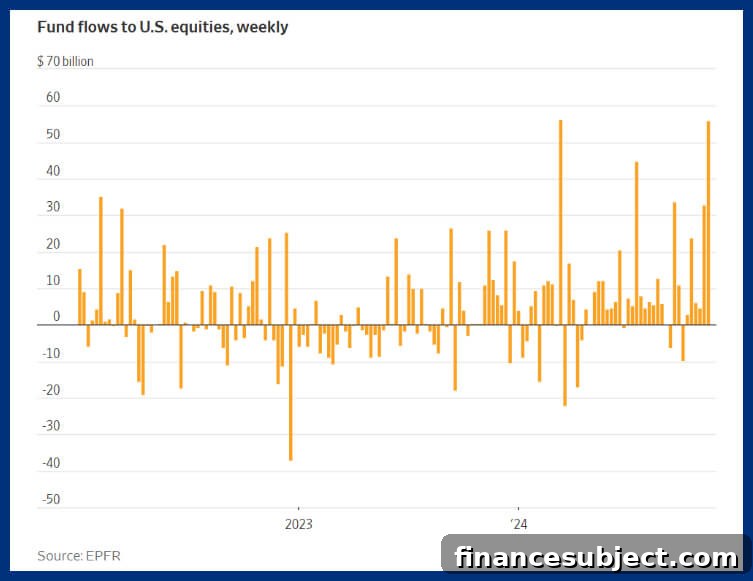
Major investment banks and market strategists are projecting moderately positive returns for the coming year. Much of the optimism reflects expectations for policy shifts, tax changes, and technological gains—especially related to AI—plus the momentum of investor psychology. Equally, forward-looking valuations already price in significant improvement in corporate earnings.
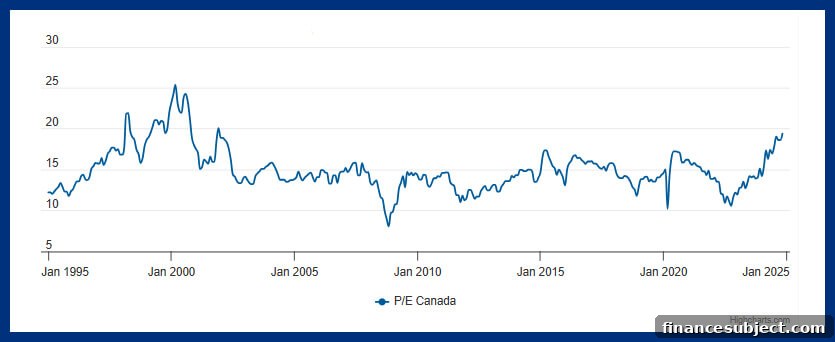
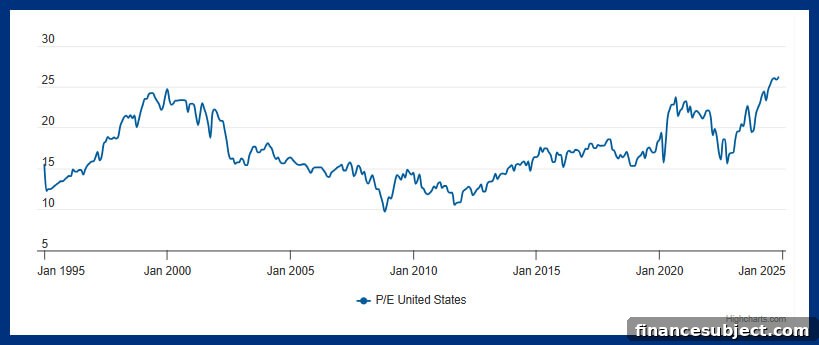
Valuation metrics show Canada’s forward price-to-earnings ratio around the high-teens and the S&P 500 nearer 24x—levels that assume material earnings growth. That raises a central question for investors: are markets closer to a peak or still a long way from one? While it’s possible valuations rise further, history reminds us that multiples can compress quickly when sentiment shifts.
For most individual investors, maintaining a diversified, disciplined approach—rather than trying to time market tops and bottoms—remains the most reliable path. Index investing and steady contributions reduce the risk of poor market-timing decisions, especially when headlines become extreme and emotions run high.
More about investing:
- Boost your portfolio: why and how to increase small-cap exposure with ETFs
- WeBull Canada review
- Best robo-advisors in Canada
- When holding on to stocks can hurt you financially
- Recent developments in cryptocurrency services and platforms in Canada