
What caught my eye this week.
I was pleasantly surprised to read Adrian Chiles reflecting warmly on the Delay Repay compensation scheme in The Guardian. It’s struck me before as one of those small, satisfying systems that turn travel frustrations into something almost entertaining — and Chiles’ piece captures that feeling well.
He explains that once you set up your account, the compensation process feels almost automatic: if your train is late you can receive a cash refund depending on how long the delay lasts. On some services he uses, a 15-minute delay gets a quarter of the fare back, 30 minutes returns half the ticket price and an hour can secure a full refund. He even admits to watching the clock with a mix of irritation and perverse anticipation, waiting for a delay to cross the next threshold.
Chiles’ point is simple: Delay Repay removes some of the sting from train delays by turning them into a tangible, immediate small win. Instead of just stewing over lost time, you get money back automatically, which changes the mood on the platform and on the train.
My sister and I know that feeling well. Trains out to our family bungalow — a four-hour journey from London — are frequently late, and Delay Repay has become a running joke and a minor sport between us. We text each other as the train approaches the threshold that would increase our payout, cheering for platform chaos in a way that would have seemed absurd before the scheme existed.
Of course, punctual German and Japanese trains wouldn’t inspire such gamesmanship. But there’s a perverse fun to be had when a small compensation scheme gamifies an otherwise aggravating experience.
That observation leads to a wider thought: what if more parts of the UK’s creaking public services were gamified with modest cash incentives? It sounds tongue-in-cheek, but there’s a serious side to the idea. Small, immediate compensation can reduce anger, make delays feel less punitive and even nudge people toward constructive responses when systems fail.
I’m half-joking about vouchers for long GP waits or streaming credits for border delays, but the core point remains: the right, simple financial nudge can change how people react to service failures.
Have a great weekend.
From Monevator
Talking about inheritance delivers benefits beyond money — there’s psychological value as well as financial clarity. — Monevator
One investor’s experience running a 31-fold gain while chasing a 100-bagger shows the highs and mindset required for extreme long-term gains. — Monevator (Members)
From the archive: applying the first law of thermodynamics as a metaphor for investing risk. — Monevator
News
Note: some links lead to external articles. If a site asks for cookies, try a private browsing window or consider subscribing to sites you read often.
The prime minister’s comments have left observers wondering whether shareholders are being regarded as ordinary ‘working people’ for policy purposes. — This Is Money
UK business growth has cooled to an 11-month low ahead of the autumn Budget, with indicators showing a slowdown in activity. — Reuters
Consumer sentiment is reported to be subdued as households brace for tax changes. — CityAM
Patients are set to receive fuller access to their health records through the NHS app, a move supporters say will empower patients. — BBC
More landlords are incorporating their buy-to-let businesses as limited companies, a trend driven by tax considerations. — This Is Money
Global IPO activity trails other market indicators even as equity markets rally. — FT
Reports say North Korea is sending troops to support Russia in its conflict with Ukraine. — Sky
An exhibition celebrating the iconic London tube map highlights the lasting power of thoughtful design. — Reuters
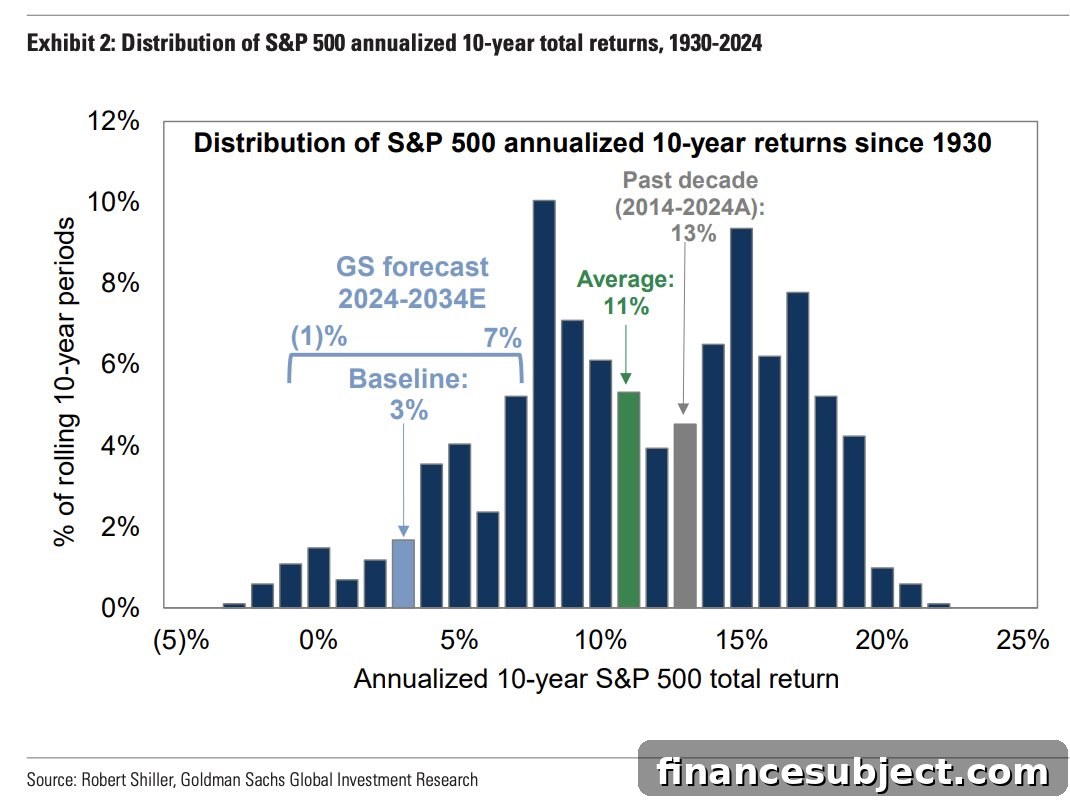
How should investors respond to forecasts of low future returns for US stocks? Different strategists offer context and scenarios to temper expectations. — A Wealth of Common Sense
Products and services
NatWest’s relaunch of a switching incentive is back with a new cash offer — how does it stack up against other bank sign-up deals? — This Is Money
Ideas for cheap or free family activities during the school half-term. — Which
Premium Bond rates have been adjusted; savers should review whether alternatives now look more attractive. — MoneySavingExpert
Promotions: some investment platforms are offering cash incentives for new SIPP accounts; terms apply and capital is at risk. — Interactive Investor
Consumer tips on saving money when renewing home insurance and cutting energy bills are especially relevant as costs rise. — Which / Guardian
Guides comparing annuities and pension drawdown options help retirees weigh guaranteed income against flexibility. — Which
Comment and opinion
Essays and posts covering diversification, market structures, and investor psychology offer a range of perspectives — from the value of optimism in investing to discussions on asset classes defined as ownership versus debt. — (Various contributors)
Notable reads include takes on equal weighting, the downsizing housing shake-up, and the continuing debate over share options and employee equity. — (Various sources)
Naughty corner: Active antics
Articles highlighting small-cap investing, valuation methods for dividend stocks, and debates about large tech companies illustrate the continuing attraction of active strategies and stock picking. — (Various sources)
Kindle book bargains
Discounted ebook picks this week include titles on politics, economics and high-profile business scandals. Titles such as Sam Freedman’s Failed State, Yanis Varoufakis on technofeudalism, and John Carreyrou’s Bad Blood are currently priced attractively on Kindle.
Environmental factors
Stories this week examine how investors treat climate-aligned funds, tourism trends linked to climate anxiety, and real conservation successes. Corporates and retailers are also being scrutinised for packaging and sustainability changes.
Crypto-o-crypto mini-special
Stablecoins and payment firms are in the spotlight as companies double down on crypto rails; analysts debate the path forward and the regulatory challenges that follow. — (Industry coverage)
Robot overlord roundup
AI developments continue to reshape finance and technology: examples this week include research showing AI inaccuracies in finance queries, new models that can interact with a user’s computer, and a surge of investment interest in AI-related businesses.
Off our beat
Features this week explore how progress creates unforeseen problems, debates about housing and empty properties, shifts in consumer technology like AirPods becoming assistive devices, and suggestions that passwords may finally be on their way out.
And finally…
“He was a self-made man who owed his lack of success to nobody.”
– Joseph Heller, Catch-22
If you enjoy these curated links and notes, consider subscribing to get a weekly roundup. Some posts and recommendations may include affiliate offers; read terms and conditions before acting on promotions.