

With the right rewards credit card, you can earn points or cash back to redeem for travel, statement credits, merchandise, gift cards, financial products and even charitable donations. The best rewards card is the one that aligns with your spending habits and your redemption goals—whether you prefer simple cash back or flexible travel points.
The best rewards credit cards in Canada
Below are top picks across cash back, travel, airline and hotel reward categories, with key features to help you choose the right card for your needs.
CIBC Dividend Visa Infinite Card
A strong option for everyday rewards with transfer possibilities to partner loyalty programs.
Scotiabank Gold American Express
One of the best travel cards for everyday earn rates, travel perks and no foreign transaction fees.
TD Aeroplan Visa Infinite Card
A top pick for airline rewards, with free checked bags, flexible redemptions and a NEXUS rebate.
Best for cash back rewards: Rogers Red World Elite Mastercard
The Rogers Red World Elite Mastercard is notable for offering 1.5% cash back on all purchases with no annual fee. Rogers, Fido and Shaw customers earn a small additional boost, and the card provides 3% cash back on U.S. dollar transactions—effectively offsetting typical foreign transaction fees.
Rogers Red World Elite Mastercard

Annual fee: $0
Rewards: 1.5% cash back on most purchases; 3% on U.S. dollar purchases; Rogers/Fido/Shaw customers may earn higher rates.
Interest rates: 25.99% purchases, 27.99% cash advances and balance transfers.
Income required: $80,000 per year. Credit score: 725+ recommended.
Pros
- Simple, competitive no-fee cash-back structure.
- 3% on U.S. purchases offsets forex fees.
- Flexible redemptions with low minimums.
- Broad merchant acceptance across Canada.
Cons
- Flat earn rate—other cards return more in specific categories.
- High income requirement to qualify.
Best for travel rewards: Scotiabank Gold American Express
The Scotiabank Gold American Express stands out for its strong category earn rates—groceries, dining and travel—and for waiving foreign transaction fees. It also includes a generous travel insurance package and a flexible redemption window for travel purchases.
Scotiabank Gold American Express

Annual fee: $120
Rewards: Up to 6 points per $1 in select categories; 1 point per $1 on other purchases. No foreign transaction fees.
Interest rates: 21.99% purchases, 22.99% cash advances and balance transfers.
Income required: $12,000 per year. Credit score: 725+ recommended.
Pros
- High earn rates on groceries, dining and entertainment.
- Generous travel insurance and no FX fees.
- Retroactive redemption for travel purchases up to a set period.
Cons
- Points have a fixed redemption value, and cannot be transferred to airlines.
- American Express is not accepted everywhere in Canada.
Best for airline rewards: TD Aeroplan Visa Infinite
Ideal for frequent Air Canada flyers, this card offers perks like free checked bags for you and companions, a NEXUS fee rebate and straightforward Aeroplan earning rates that can be redeemed across Star Alliance partners.
TD Aeroplan Visa Infinite Card

Annual fee: $139 (first year often waived)
Rewards: Typically 1–1.5 Aeroplan points per $1 depending on category; bonus points for Air Canada purchases.
Interest rates: 21.99% purchases, 22.99% cash advances and balance transfers.
Income required: $60,000 personal or $100,000 household. Credit score: 680+ recommended.
Pros
- Flexible Aeroplan redemptions with Star Alliance partners.
- NEXUS fee rebate and travel protections.
- Strong welcome offers that can include tens of thousands of points.
Cons
- Aeroplan uses dynamic pricing—point values can vary by route and date.
- Annual fee is above entry-level travel cards.
Best for hotel rewards: Marriott Bonvoy American Express
Marriott Bonvoy points are flexible for hotel stays, upgrades and transfers to airline programs. This card suits frequent Marriott guests who value annual free nights and on-property perks.
Marriott Bonvoy American Express
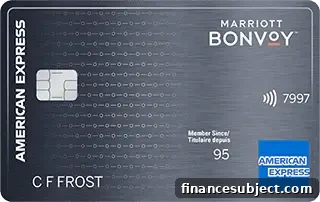
Annual fee: $120
Rewards: 5 points per $1 at Marriott properties; 2 points per $1 elsewhere.
Welcome offer: Often includes tens of thousands of bonus Marriott Bonvoy points.
Point value: Approximately $0.0117 per point on average.
Pros
- Redeem for free nights, upgrades and experiences; complimentary Silver Elite status on select cards.
- Annual free night award up to a specified points value.
Cons
- Points values can vary and the program can be dynamic—planning yields best value.
- American Express acceptance is more limited than Visa/Mastercard.
Other notable rewards cards
Other cards worth considering include MBNA Rewards World Elite Mastercard for high category earn rates, American Express Aeroplan Reserve for premium Air Canada benefits, the American Express Platinum for extensive lounge access and credits, and the Capital One Smart Rewards Mastercard for people focused on rewarding on-time payments rather than purchases.
How much are rewards points worth?
Points values vary by program and by redemption method. Below are typical value ranges for common Canadian programs—values shown are approximate and can vary by redemption.
| Rewards program | Value range (approx.) | Common high-value redemptions |
|---|---|---|
| MBNA Rewards | $0.005–$0.01 | Travel bookings |
| Scene+ Points | Up to $0.01 | Travel, partner purchases, Cineplex rewards |
| American Express Membership Rewards | $0.007–$0.07 | Statement credits, travel, transfers |
| TD/ Aeroplan | Varies (dynamic) | Flights on Air Canada and partners |
| Marriott Bonvoy | ~$0.0117 | Hotel stays and upgrades |
Pros and cons of rewards credit cards
Pros
- Earn on everyday spending: Cash back or points can offset bills, travel or purchases.
- Sign-up bonuses: Large welcome offers can provide hundreds of dollars in value.
- Extra perks: Many cards include travel insurance, lounge access, and concierge services.
- Multiple redemption options: Points can be used for travel, cash back, merchandise, and more.
Cons
- Annual fees: Fees can erode the net value for low spenders.
- Higher interest rates: Carrying a balance reduces the benefits of rewards.
- Complex rules: Dynamic pricing, blackout dates and transfer restrictions can affect value.
- Overspending risk: The desire to earn rewards can encourage unnecessary purchases.
How to choose a rewards card
Start by assessing your monthly spending: groceries, dining, gas, travel and recurring bills. Decide whether you prefer straightforward cash back or flexible points that can be redeemed for premium travel. Compare the effective return after annual fees, consider welcome bonuses and insurance benefits, and confirm the card issuer’s acceptance at places you shop.
FAQs
What is the best rewards credit card for Canadians?
There is no single best card for everyone. For simple cash back, the Rogers Red World Elite Mastercard is a strong no-fee option. For travel rewards, the Scotiabank Gold American Express and TD Aeroplan Visa Infinite are top contenders depending on whether you want broad travel points or airline-specific perks.
Are rewards credit cards worth it?
Yes, when used responsibly. If you pay off your balance in full each month and choose a card that matches your spend categories, rewards cards can deliver meaningful value through cash back, travel savings and perks.
Can I get a rewards card with bad credit?
Qualifying for premium rewards cards is harder with poor credit. Consider a credit-building card first, improve your score, and then apply for higher-tier rewards cards.
Choose a card that fits your budget and rewards strategy, and track your redemptions to ensure you get the best value for your points or cash back.