
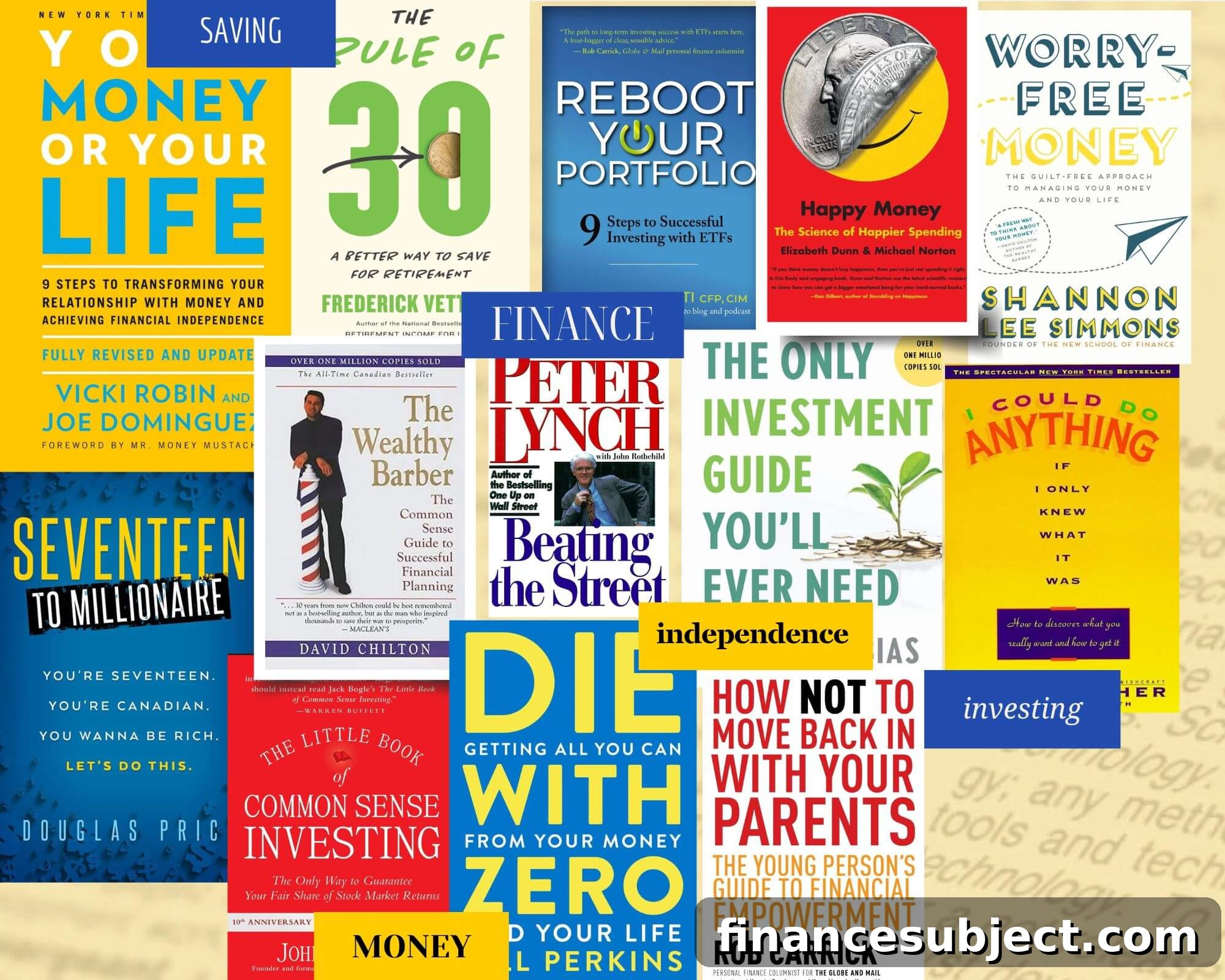
Knowledge is power—and it can pay off. To celebrate MoneySense’s 25th anniversary, we asked leading Canadian personal finance experts and influencers to share the books that changed how they think about money. Their recommendations cover everything from practical Canadian planning guides to global perspectives on capitalism, and editors added several titles we expect will remain valuable resources for years to come. Below you’ll find a curated list organized by theme to help you pick your next read and build financial confidence.
Browse by theme:
- Invest for success with low-cost ETFs and index funds
- Get started in the stock market—or hone your skills
- Master the basics of personal finance—at any age
- Find the courage to chase your dreams
- Explore the psychology of spending and saving
- Achieve FIRE: Financial Independence, Retire Early
- Read what your advisor is reading
Invest for success with low-cost ETFs and index funds
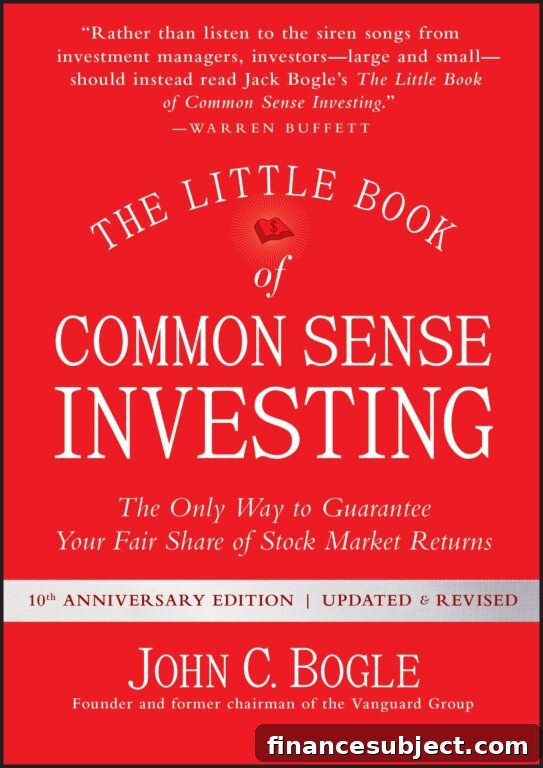
1. The Little Book of Common Sense Investing by John C. Bogle (revised edition, Wiley, 2017)
John Bogle, founder of Vanguard and a pioneer of index funds, distills a powerful message: high fees and chasing outperformance often destroy long-term returns. This short, persuasive book argues that most investors are best served by capturing broad market returns through low-cost index funds and avoiding expensive active management. Two of our experts named it among their top picks for its clear, practical guidance on keeping costs low to preserve compounding gains. —Dan Bortolotti and Larry Bates
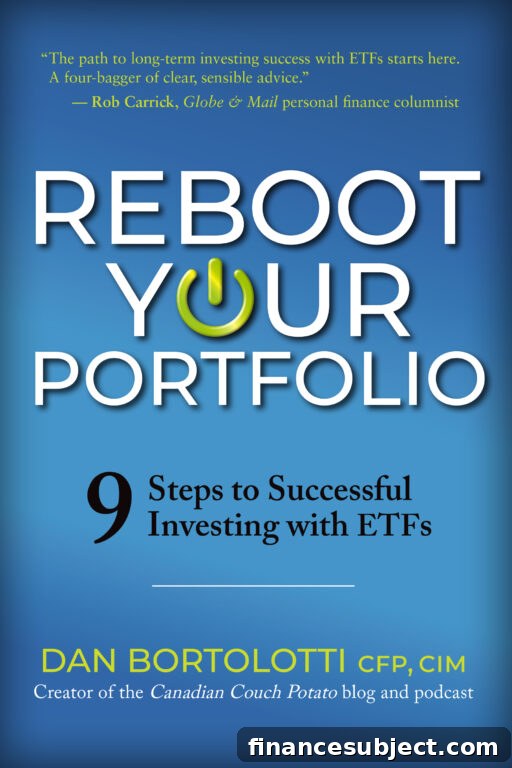
2. Reboot Your Portfolio: 9 Steps to Successful Investing with ETFs by Dan Bortolotti (Milner, 2021)
Dan Bortolotti provides a clear, practical blueprint for building a resilient ETF-based portfolio. He explains portfolio construction, risk management and how to manage emotional impulses like fear and greed. Written with humour and humility, this book is a strong resource for DIY investors seeking straightforward, evidence-based advice.
3. A Random Walk Down Wall Street: The Best Investment Guide That Money Can Buy by Burton G. Malkiel (13th edition, W.W. Norton, 2024)
Malkiel presents rigorous evidence that consistently beating the market is extremely difficult. His analysis supports the case for low-cost, broadly diversified ETFs and index funds. The book reassures investors that favoring market-mirroring funds often makes sense—and it explains why in plain language.
Get started in the stock market—or hone your skills
4. The Warren Buffett Way by Robert G. Hagstrom (30th anniversary edition, Wiley, 2024)
This blend of biography and practical advice breaks down Warren Buffett’s long-standing investing philosophy. It offers accessible lessons on value investing, risk and temperament—helpful for investors who want to adopt a patient, disciplined approach inspired by one of history’s most successful investors.
5. The Intelligent Investor by Benjamin Graham (4th revised edition, HarperCollins, 1973)
Benjamin Graham’s classic lays out the foundations of value investing and introduces timeless concepts like margin of safety. Though first published decades ago, its principles about risk, rationality and disciplined effort remain highly relevant for long-term investors. Warren Buffett famously praised it as the best investing book ever written.
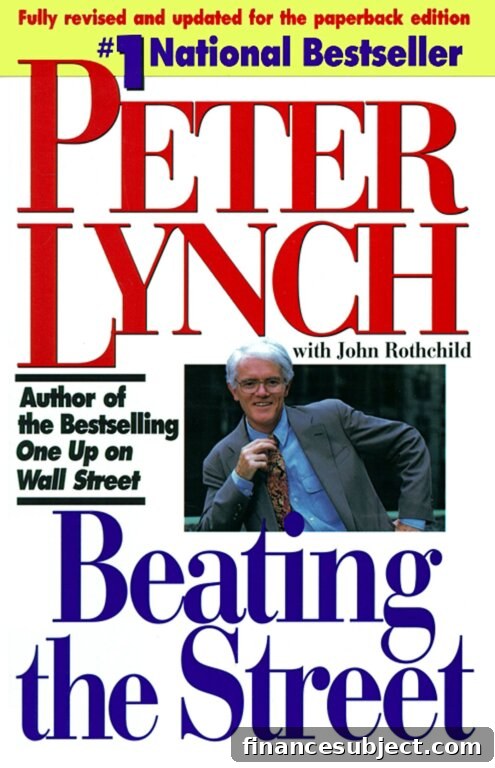
6. Beating the Street by Peter Lynch (Simon and Schuster, 1993)
Peter Lynch makes stock investing approachable with real-world examples and plainspoken advice. His stories and practical tips help beginners recognize investment opportunities in everyday life while avoiding common mistakes—making this a great early read for new investors.
Master the basics of personal finance—at any age
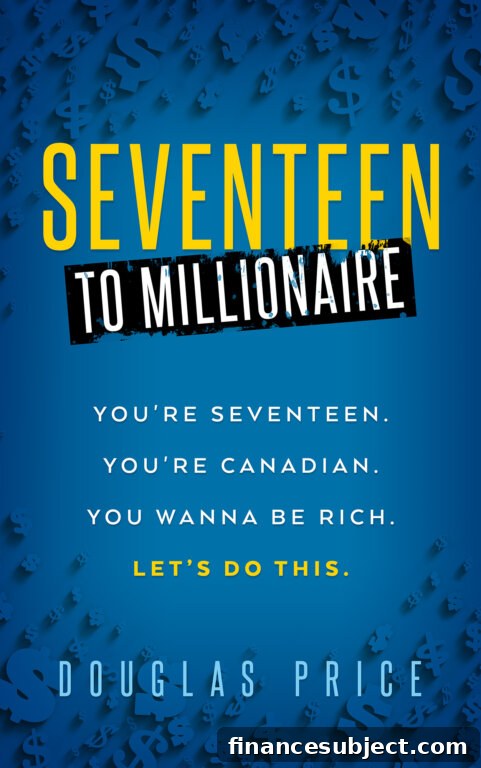
7. Seventeen to Millionaire by Douglas Price (self-published, 2022)
Tailored to young adults, this book reads like a practical primer parents might give their children. It covers money basics in digestible chapters so readers can build confidence and take control of saving, spending and planning for the future.
8. I Will Teach You to Be Rich by Ramit Sethi (revised edition, Workman Publishing, 2019)
Ramit Sethi’s guide is highly practical and system-focused. It walks readers through automating finances, managing credit, investing and creating scalable financial habits that reduce stress and build wealth over time.
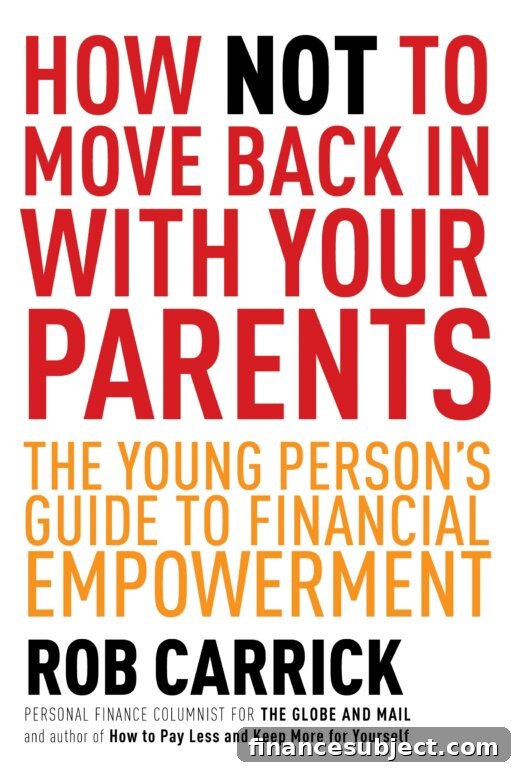
9. How Not To Move Back in With Your Parents by Rob Carrick (Doubleday Canada, 2012)
Rob Carrick’s book focuses on practical money management for young adults—how to budget, avoid debt and build habits that keep you independent. It’s a solid primer for parents and their emerging-adult children alike.
10. The Wealthy Barber: The Common Sense Guide to Successful Financial Planning by David Chilton (Stoddart, 1989)
Presented through a relatable storytelling device, David Chilton’s classic breaks down retirement planning, saving and sensible financial choices into approachable lessons. It has sold millions of copies because the ideas are practical and enduring.
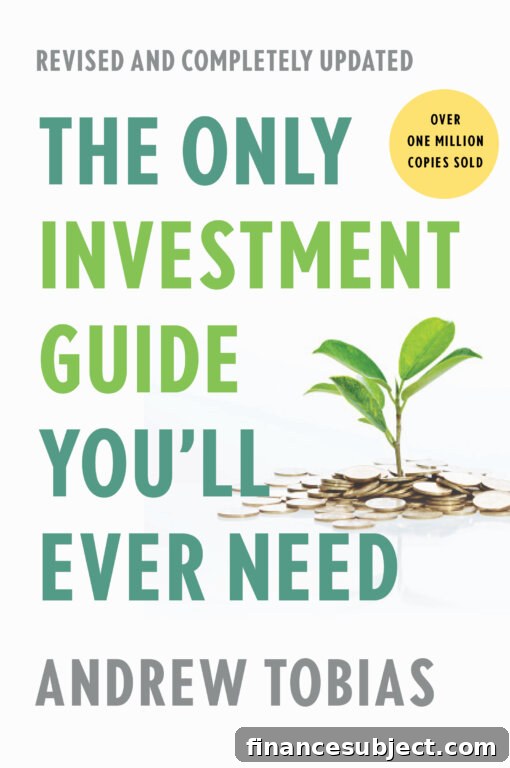
11. The Only Investment Guide You’ll Ever Need by Andrew Tobias (revised edition, Harper Business, 2022)
Accessible, witty and full of practical tips, this book transformed many readers’ views of money. Tobias combines humour with clear guidance on investing, budgeting and everyday financial decisions, making complex topics relatable.
12. Stop Over-Thinking Your Money!: The Five Simple Rules of Financial Success by Preet Banerjee (Penguin Canada, 2014)
Preet Banerjee condenses financial health into five straightforward rules—disaster-proof your life, spend less than you earn, pay down high-interest debt aggressively, read the fine print and delay consumption. Follow these steps and your finances will improve markedly.
Find the courage to chase your dreams
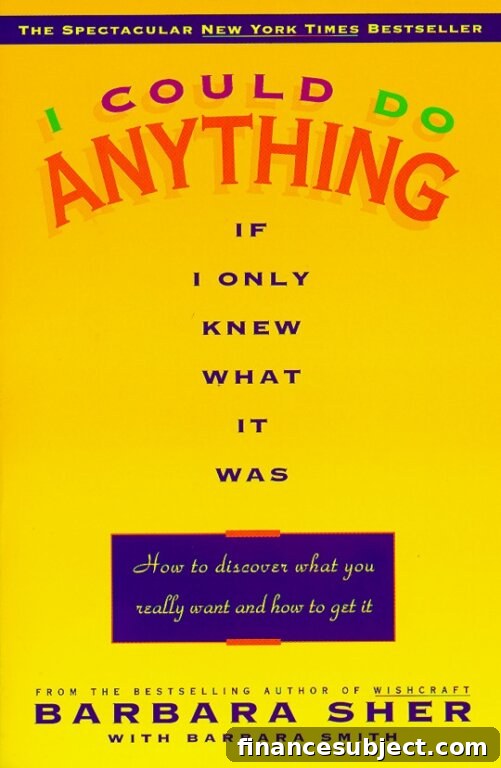
13. I Could Do Anything If Only I Knew What It Was by Barbara Sher (Dell, 1995)
This motivational book helps readers break free of “right” paths that feel wrong personally. Exercises prompt you to imagine success and uncover passions—helpful for anyone considering a career pivot or creative pursuit. Many readers credit it with giving them the courage to change direction.
Explore the psychology of spending and saving
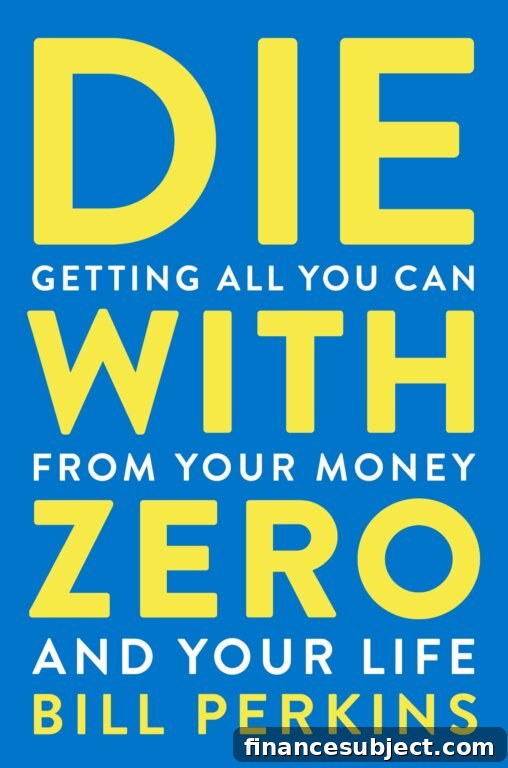
14. Die with Zero: Getting All You Can from Your Money and Your Life by Bill Perkins (reprint edition, Mariner Books, 2021)
Perkins challenges conventional saving priorities by urging readers to think about experiences and meaningful spending across life stages. The book reframes “enough” and invites you to plan financial choices that maximize life satisfaction, not just net worth.
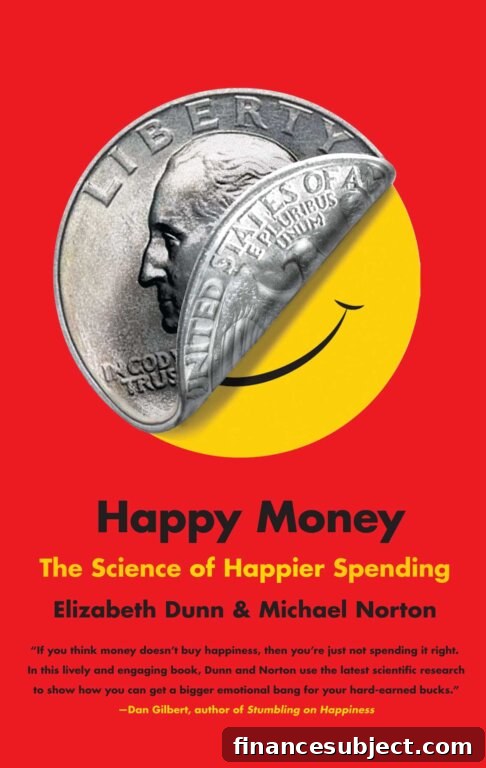
15. Happy Money: The Science of Happier Spending by Elizabeth Dunn and Dr. Michael Norton (reprint edition, Simon & Schuster, 2014)
This book combines behavioural research with practical tips to show how spending can increase happiness when done intentionally. It encourages readers to align purchases with values—an important complement to budget and investment advice.
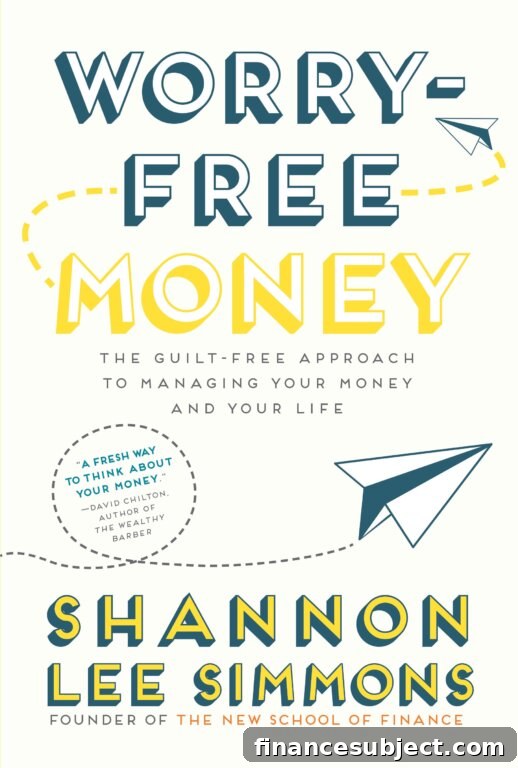
16. Worry-Free Money: The Guilt-Free Approach to Managing Your Money and Your Life by Shannon Lee Simmons (HarperCollins, 2017)
Shannon Lee Simmons offers simple, sustainable budgeting strategies that reduce stress without demanding obsessive tracking. Her “hard limit” approach helps people define a guilt-free spending cap so money doesn’t dominate daily life.
17. Crazy About Money: How Emotions Confuse Our Money Choices and What To Do About It by Maggie Baker, Ph.D. (Holistic Wealth Press, 2011)
Maggie Baker explores how childhood experiences and emotions shape financial behaviour. With practical exercises and relatable examples, the book helps readers identify self-sabotaging patterns and build healthier money habits.
18. The Psychology of Money: Timeless Lessons on Wealth, Greed, and Happiness by Morgan Housel (Harriman House, 2020)
Morgan Housel uses short, anecdotal chapters to explain why behaviour matters more than raw intelligence when it comes to money. His lessons—about patience, humility and planning for uncertainty—are readable and widely applicable.
19. Why Smart People Make Big Money Mistakes . . . and How to Correct Them by Gary Belsky and Thomas Gilovich (Simon & Schuster, 2009)
This engaging primer on behavioural finance explains biases like loss aversion, sunk cost fallacy and anchoring, helping readers recognize mental traps that derail financial decisions and learn strategies to avoid them.
Achieve FIRE: Financial Independence, Retire Early
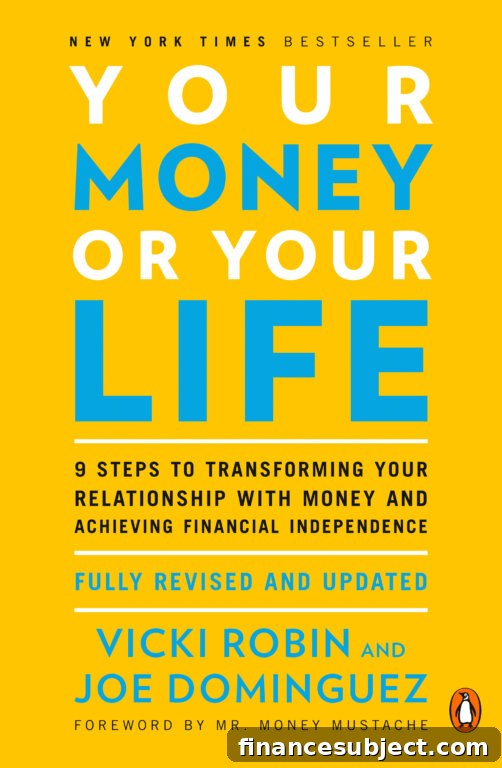
20. Your Money or Your Life by Vicki Robin and Joe Dominguez (revised edition, Penguin Books, 2008)
Often credited with inspiring the FIRE movement, this book presents nine steps to financial independence and reframes money as life energy—encouraging readers to weigh purchases against the time and effort required to earn them.
21. The Simple Path to Wealth by JL Collins (CreateSpace, 2016)
JL Collins’ clear, conversational guide to index investing is a favorite among those pursuing financial independence. Written as advice for his daughter, it simplifies investing fundamentals and advocates straightforward, low-cost strategies.
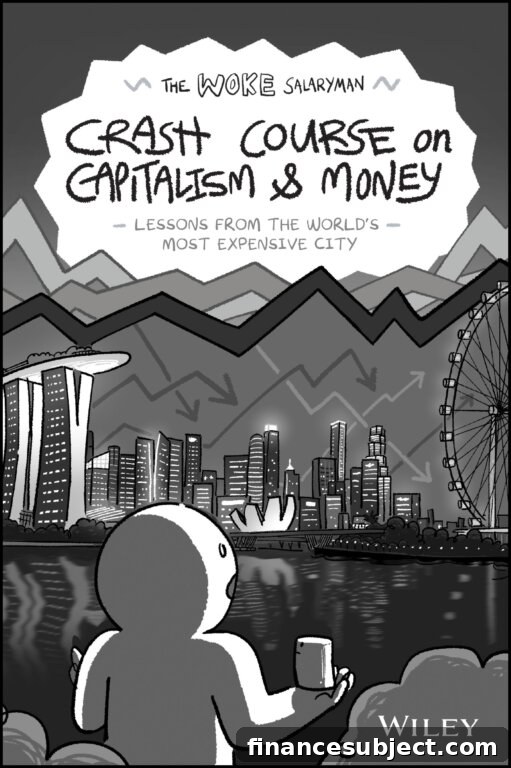
22. The Woke Salaryman Crash Course on Capitalism & Money: Lessons from the World’s Most Expensive City by He Ruiming and Goh Wei Choon (Wiley, 2024)
This illustrated book uses a graphic-novel format to explain how Singapore transformed into a major financial hub. It’s an accessible, empathetic look at modern capitalism with lessons that are both practical and thought-provoking.
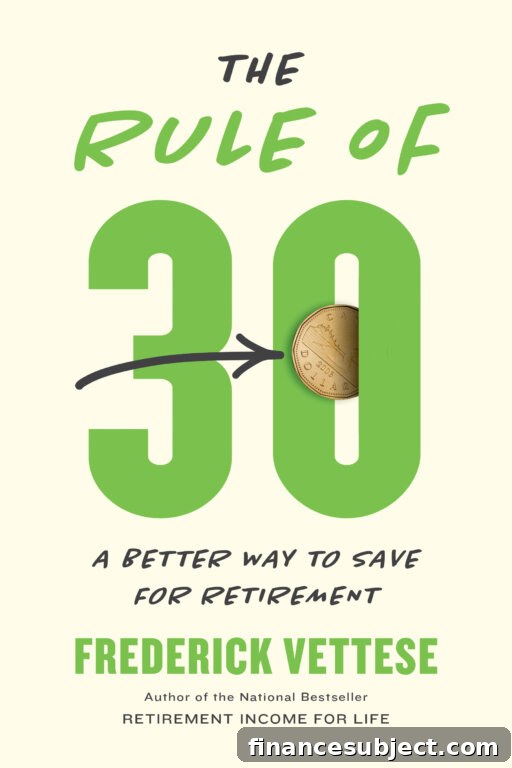
23. Rule of 30: A Better Way to Save for Retirement by Frederick Vettese (ECW Press, 2021)
Fred Vettese proposes a pragmatic saving rule that adjusts for life stages—especially helpful during expensive child-care years—by recognizing varying financial priorities across different phases of life rather than insisting on a fixed saving percentage.
Read what your advisor is reading
24. Wealth Planning Strategies for Canadians 2024 by Christine Van Cauwenberghe (Carswell Thomson Reuters, 2023)
This comprehensive annual reference is widely used by Canadian financial planners. It’s organized both by relationship status—so readers can find applicable chapters quickly—and by technical topics such as trusts, corporations and interprovincial legal differences. It’s a dense, practical resource for complex personal financial planning in Canada.
25. The Black Swan: The Impact of the Highly Improbable by Nassim Nicholas Taleb (Random House, 2007)
Nassim Taleb’s influential book reshapes how readers think about risk, uncertainty and rare but dramatic events. It’s valuable for investors and planners who want to design more resilient portfolios and systems that can better withstand unforeseen shocks.
Do you have a favourite personal finance or investing book that changed your thinking? Share it in the comments below.
Newsletter
Get free MoneySense financial tips, news & advice in your inbox.
More about financial literacy:
- 5 great personal finance books by women
- The best free personal finance and investing courses in Canada
- The MoneySense Find a Qualified Advisor Tool
- Earning, saving and spending money in Canada: A guide for new immigrants