

The original The Wealthy Barber was first published in 1989 and has since become one of Canada’s bestselling books, selling more than two million copies. Its influence on Canadian culture ranks it alongside familiar national classics, thanks to its approachable lessons on money and everyday storytelling.
Personal finance books rarely attract a wide audience, yet David Chilton accomplished this by using relatable characters and conversational advice—most famously through the friendly exchanges between the wealthy Mr. White and Roy, the barber in a Sarnia shop. In 2011 Chilton followed up with The Wealthy Barber Returns, which shifted away from those characters and instead shared the author’s personal views on money.
Timeless money lessons, reimagined for a new generation
A freshly rewritten edition of The Wealthy Barber was released on November 4, 2025, available exclusively through Indigo stores and independent bookshops across Canada. This update reworks the original lessons for today’s financial landscape, adding guidance on modern tools such as the Home Buyer’s Plan, tax-free savings accounts (TFSAs), and first home savings accounts (FHSAs). Those newer account types, together with a wider array of investment vehicles and a higher cost of living, change how people should think about the old rule of paying themselves first.
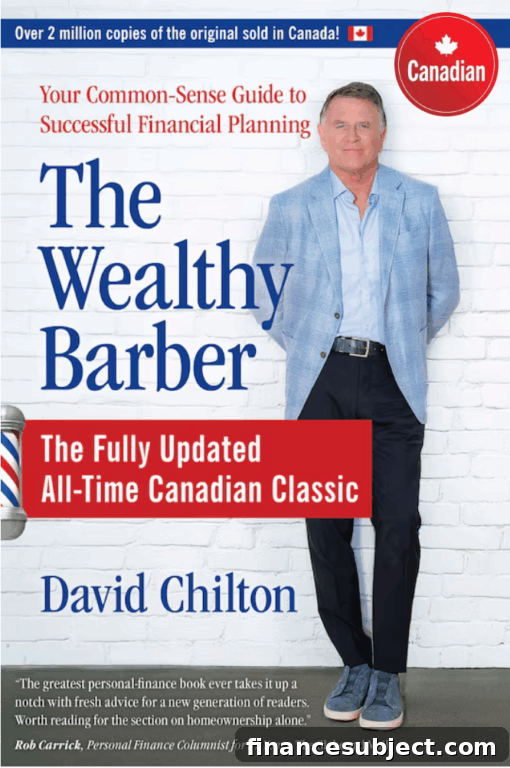
I spoke with Chilton about the new edition. He explained that the rewrite was driven by a desire to help younger readers navigate contemporary hurdles: higher housing costs, more complex financial products, and the prevalence of passive investing options that simply did not exist in 1989. “The original book didn’t include ETFs or index funds,” he noted, “and those are now familiar investment tools for many Canadians.”
While longtime fans of the 1989 edition—many Baby Boomers and Gen X readers—may wonder whether this version is aimed at them, Chilton says the primary audience is younger adults: people in their 20s, 30s, and 40s who are beginning to build long-term wealth. The emphasis is on passive investing, cost control, and basic financial disciplines such as paying yourself first.
Part of the original book’s broad appeal was its use of humour and simple storytelling to demystify complex topics. The updated edition retains that accessible tone, making core lessons easy to digest for readers who are new to personal finance or who feel intimidated by technical jargon.
“Pay yourself first” still matters most
Chilton underscores how the rising cost of living, and particularly housing, makes it harder for younger people to save consistently. Social media and lifestyle pressures can also push spending on nonessential items that feel necessary in the moment.
Despite those pressures, Chilton insists that saving must also be treated as a necessity. When I asked him what single lesson remains the most enduring, he said, “pay yourself first.” The updated edition includes a chapter on saving strategies that offers practical tips for managing everyday finances so you can set aside money for the future. The point is simple: you cannot invest if you cannot save.
Rankings
The best ETFs in Canada
Chilton expressed bemusement that many young people still prioritize spending on cars despite the affordability challenges surrounding home ownership. At the same time, he gives credit where it’s due: younger investors are growing more fee-sensitive and increasingly aware of how investment costs eat into long-term returns.
A central recommendation from The Wealthy Barber is straightforward: aim to save and invest 10 to 15 percent of your income by paying yourself first. For readers who remember the original and regret delaying that habit, Chilton offers a familiar consoling thought: the best time to plant a tree was many years ago, but the second-best time is now.
From book to podcast, Chilton’s message stays relevant
The updated book covers a wide range of personal finance topics—budgeting, investing, real estate, wills, and life insurance—woven into clear, practical lessons. Chilton has also extended the reach of his advice with The Wealthy Barber podcast, where he invites Canadian personal finance voices to discuss real-world issues and practical strategies.
The strength of Chilton’s approach is its clarity and candor: he offers prescriptive guidance while remaining sincere about the goal of helping people reach financial independence. At a time when some social media personalities promote risky or biased advice, The Wealthy Barber offers steady, proven principles that can guide young readers toward better financial decisions.
Ask MoneySense
Have a personal finance question? Submit it here.
Read more from Ask a Planner:
- A 2025 update on trust tax return filings
- What happens if you sell real estate to family for $1?
- How to bridge the gap until an inheritance
- What to do when you get laid off