

Kyle Prevost, creator of 4 Steps to a Worry-Free Retirement, Canada’s DIY retirement planning course, summarizes this week’s financial headlines and explains what they mean for Canadian investors.
The U.S. Is Likely to Cut Rates—Finally
After months of speculation, market indicators point to an imminent move by the U.S. Federal Reserve to begin cutting interest rates. Futures and pricing tools show a near-certain probability of the Fed cutting rates in September, with a meaningful chance of a larger 50-basis-point cut rather than just a small nudge. Looking further ahead, markets are pricing in more rate reductions through the autumn and into December. These expectations strengthened after U.S. annualized inflation slowed to a multi-year low in the latest consumer price data.
For Canadians, this matters. If the Fed cuts rates while the Bank of Canada (BoC) does not follow at the same pace, the Canadian dollar could weaken and import-driven inflation could rise. The BoC’s upcoming decision on September 4 will need to balance domestic conditions with how quickly U.S. policy loosens to avoid excessive currency volatility.
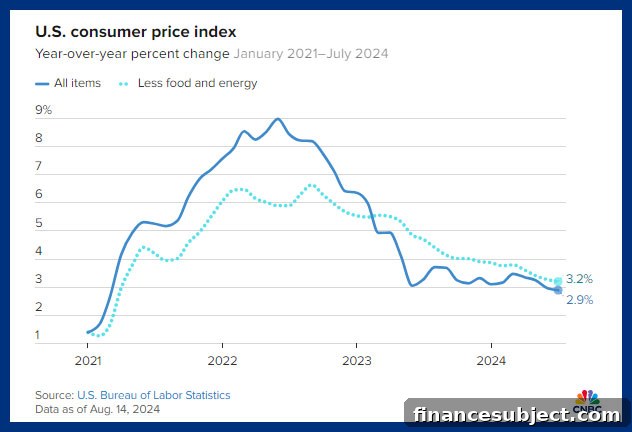
The latest U.S. Consumer Price Index report offers several notable takeaways:
- Core CPI (excluding food and energy) rose at an annualized rate of about 3.2%.
- Shelter costs increased by around 0.4% in one month and accounted for the majority of the headline inflation gain.
- Food prices rose modestly month over month.
- Energy prices were essentially flat month to month.
- Some categories, including medical care services and apparel, showed small declines.
Alongside a softer-than-expected jobs report, the data suggest consumer-led inflationary pressures in the U.S. are easing. If the Fed follows through on rate cuts and mortgage rates fall, shelter inflation—the last strong component—could ease as well.
Walmart: “Not Projecting a Recession”
Even with softer consumer spending, major retailers continue to deliver solid results. Both Walmart and Home Depot posted quarterly beats, though their forward outlooks diverged.
U.S. Retail Earnings Highlights
Reported results, in U.S. dollars:
- Walmart (WMT): Earnings per share around $0.67, slightly above analysts’ expectations. Revenue near $169.3 billion, also beating estimates. Same-store sales in the U.S. rose over 4% year over year, and e-commerce surged double digits. Management noted customers remain price-conscious and focused on essentials, while consumer health has not materially deteriorated.
- Home Depot (HD): Earnings per share roughly $4.60, modestly above forecasts, with revenue near $43.2 billion. Despite the beat, guidance was cautious; management said customers are postponing large projects, likely influenced by expectations of lower rates in the future.
Walmart’s upbeat guidance drove a strong stock reaction, while Home Depot’s tempered outlook produced a more muted response. Walmart highlighted new initiatives to monetize cheaper at-home food trends, and continues to benefit from resilient traffic and higher online sales. Home Depot’s results reflect a slower recovery in spending on major home renovations compared with the boom during the pandemic years.
Barrick Beats Franco-Nevada in a Strong Gold Quarter
With gold prices elevated, operating miners posted a stronger quarter than royalty companies. Barrick Gold delivered an earnings beat thanks to higher realized gold prices, while Franco-Nevada’s revenue and cash flow slipped versus the prior year.
Gold Sector Highlights
Both companies report in U.S. dollars:
- Barrick Gold (ABX): Beat earnings expectations with robust revenue driven by higher gold prices, though production was modestly down year over year. The company reported a healthy margin between realized gold price and production costs and is focusing on expanding large-scale operations in Nevada.
- Franco-Nevada (FNV): Reported lower-than-expected revenue and a decline in operating cash flow, impacted by production issues at several royalty partners. Management is exploring diversification of its royalty portfolio beyond gold.
The market reacted accordingly: Barrick shares moved higher following the results, while Franco-Nevada declined. Investors should remember both companies’ fortunes remain closely tied to the direction of gold prices over the medium term.
Is the Sahm Rule Warning Signal Meaningful Now?
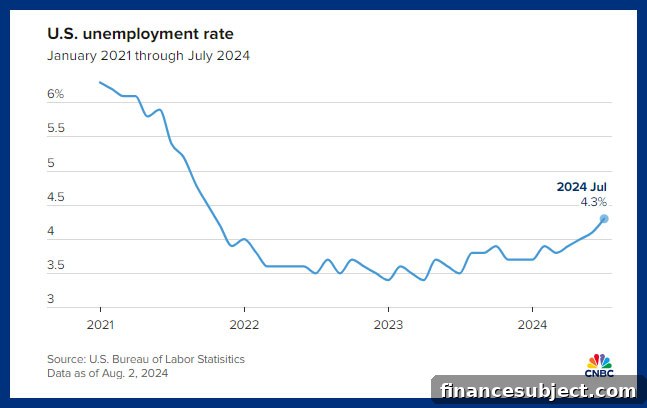
The Sahm Rule, created in 2019, is an indicator that flags recessions when the three-month moving average of the U.S. unemployment rate rises by more than 0.5 percentage points above its 12-month high. The rule is simple and has historically been effective at identifying recessions shortly after they begin.
Recent labor market data triggered the Sahm signal, prompting renewed attention. However, Claudia Sahm herself has cautioned against relying solely on this one tool. While the unemployment trend is worsening and momentum looks negative, a Sahm Rule trigger does not guarantee the official definition of a recession—two consecutive quarters of negative GDP—will follow.
For investors, the Sahm Rule is useful as an early warning about labor market stress, but it should be considered alongside other data, including consumer activity, corporate earnings, and leading economic indicators, before concluding a recession is underway.
Mergers and Strategic Moves: Scotiabank and Mars
Two notable corporate moves made headlines this week. Scotiabank announced a significant minority investment in KeyCorp, signaling a strategic shift toward increasing its U.S. presence. The move reflects a reallocation of capital away from some international markets and into a developed-market regional bank.
Separately, Mars, Inc. disclosed plans to acquire Kellanova, a major player in snacks and cereals. These types of strategic deals reshape competitive dynamics in consumer goods and banking and are worth watching for their long-term implications on market shares and margins.
Further Reading on Investing
- Best ETFs in Canada
- Buying your first stocks in Canada
- How capital gains tax works in Canada and other common questions
Summary: Markets are positioning for U.S. interest-rate cuts, inflation is cooling, and recent corporate reports show resilient consumer activity in some retail segments but softer spending in others. Gold miners benefited from higher prices, while royalty-focused companies faced headwinds. Recession indicators like the Sahm Rule deserve attention, but they are most useful when combined with a broader data set. Canadian investors should monitor U.S. policy shifts closely, as differences in the pace of rate cuts could affect the Canadian dollar and import inflation.