
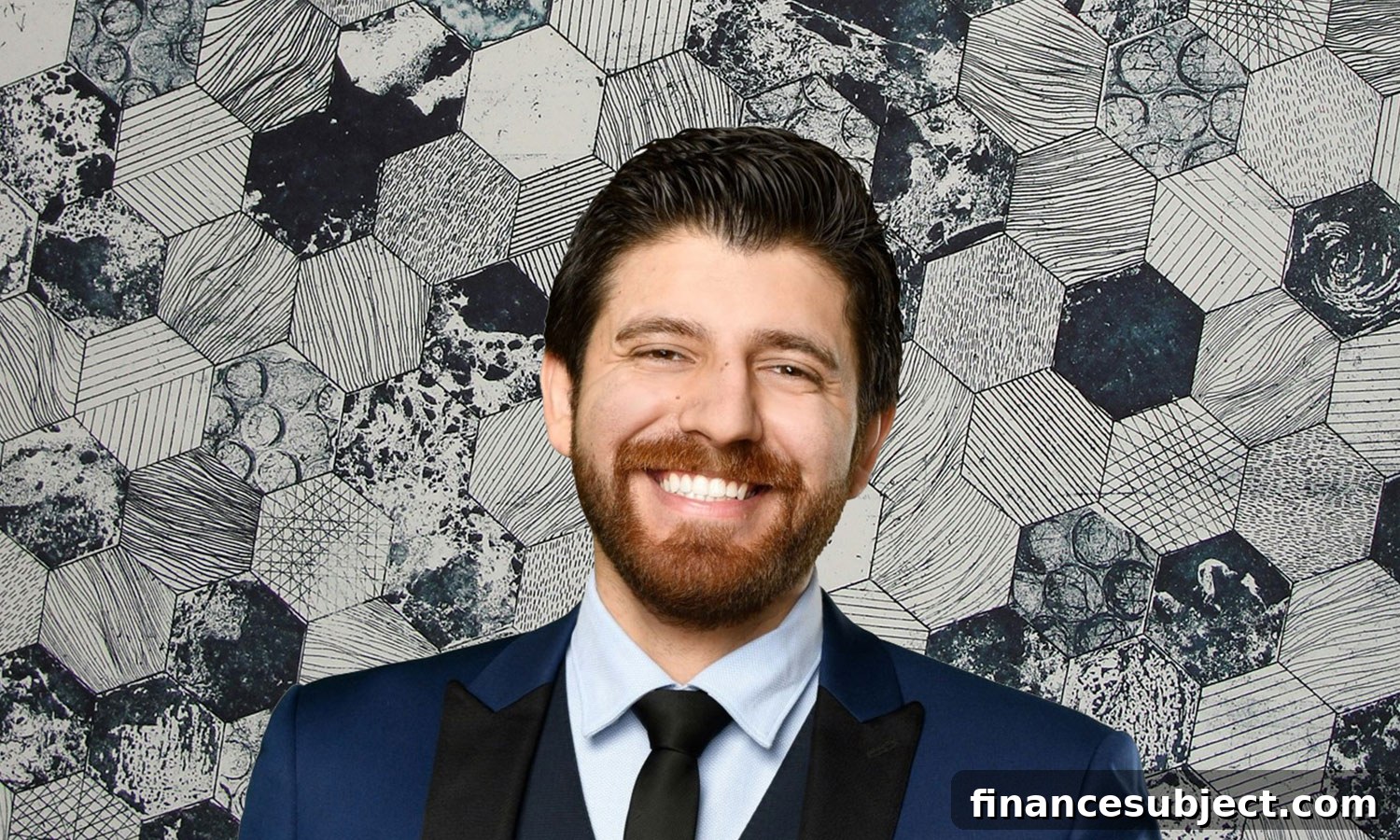
Tareq Hadhad is a Syrian-Canadian entrepreneur and the founder and CEO of Peace by Chocolate, the family chocolate company he relaunched in 2015. In 2012, while studying medicine and helping at his family’s chocolate factory in Syria, their home and workplace were destroyed in a bombing. The family fled to Lebanon, where Hadhad took part in medical relief efforts and became an advocate for peace.
In 2015 the family resettled in Antigonish, Nova Scotia, as refugees. As they rebuilt their lives, Hadhad revived the family chocolate business, turning it into a community-minded company. He has been recognized as one of RBC’s Top 25 Canadian Immigrants and named RBC’s Entrepreneur of the Year in 2020, and he received the Queen Elizabeth II Platinum Jubilee Medal. His family’s journey is documented in the best-selling book Peace by Chocolate and a feature film of the same name.
Who is your investing hero?
Warren Buffett stands out for his disciplined, long-term approach to investing. I’m also inspired by public figures like Oprah Winfrey and Ryan Reynolds, who use their platforms and resources to give back to their communities.
How do you like to spend your free time?
I spend free time learning new skills, staying active and exploring nature. I enjoy trying new hobbies and prioritizing quality time with family and friends.
If money were no object, what would you be doing right now?
I would write and blog more, travel to learn about different cultures, and focus on projects that serve others and support causes I care about.
What was your earliest memory about money?
My earliest money memory is the coin bank my grandmother gave me at age eight. It taught me to save my allowance for months to buy a special toy. That small act taught patience and the satisfaction of reaching a goal.
What’s the first thing you remember buying with your own money?
When I finally opened the money box, I bought a bicycle, Pokémon cards and LEGO sets. It was a meaningful purchase because it came from long-term saving.
What was your first job?
I worked in the packaging department at my father’s chocolate factory as a teenager. I enjoyed the work — and the chocolate — and the first paycheck I received I partly saved and partly used to treat friends to a dinner.
What was the biggest money lesson you learned as an adult?
Financial planning, budgeting and living within your means are essential. Saving for the future and avoiding unnecessary debt are cornerstones of financial security. If I could change one thing, it would be starting to invest earlier.
What’s the best money advice you’ve ever received?
Don’t rely on a single source of income—diversify your earnings. Also, choose advisors who challenge you and add expertise; if your advisor isn’t smarter than you, you’re not getting enough value.
What’s the worst money advice you’ve ever received?
Treating the cheapest option as the best choice. Another limiting piece of advice is to invest only in large companies; breadth and strategy matter more than brand size alone.
Would you rather receive a large sum of money all at once or a smaller amount of money every week or month for life?
I’d choose a steady payment over time. Regular income provides stability and makes long-term planning easier.
What do you think is the most underrated financial advice, tip or strategy?
Start investing early. Small, consistent contributions compound into meaningful wealth over time.
What is the biggest misconception people have about growing money?
That you need a financial advisor to begin growing wealth. Advisors can be helpful, but many people can learn the fundamentals online and build a solid financial foundation themselves before turning to experts for personalized guidance.
Can you share a money regret?
I regret not channeling resources sooner into investments I’m passionate about.
What does the word “value” mean to you?
Value is getting the most out of every dollar. I’m willing to pay more for quality education and meaningful experiences because they deliver lasting benefit.
What’s the first major purchase you made as an adult?
My first major purchase was a car. I researched extensively and chose a vehicle that fit my needs and budget, paying upfront and accepting some compromises in features.
What’s your take on debt?
Debt is a tool that can either build opportunity or create burden. Used responsibly, it can be an investment in your future. Excessive consumer debt, driven by unnecessary purchases, should be avoided.
What is the last money-related book you read?
The Year of Less by Cait Flanders. I didn’t agree with everything, but it reinforced mindful consumption, goal-setting and the power of community in financial discipline.
What’s your next money goal?
My next goal is to refine my financial plan to meet personal targets while increasing my ability to give back to causes I care about.
My MoneySense quick questions:
Rent or own?
I prefer owning a home for long-term stability, though renting can be the right choice for flexibility in certain stages of life.
Buy or lease?
Buying is usually my preference, but it depends on the type of asset and the situation.
Save or invest?
Both. Saving provides an emergency buffer, while investing drives long-term growth.
Budget or not?
Budgeting is essential to manage money effectively and reach financial goals.
More from My MoneySense:
- Allan Small on his glass-half-full view of the markets and managing risk
- The best money advice from two of the best in the biz
- Chris Guillebeau onGonzo Capitalism,his $100,000 side hustle, and why average isn’t good enough
- Reni Odetoyinbo on why you should pay yourself first and have multiple streams of income