
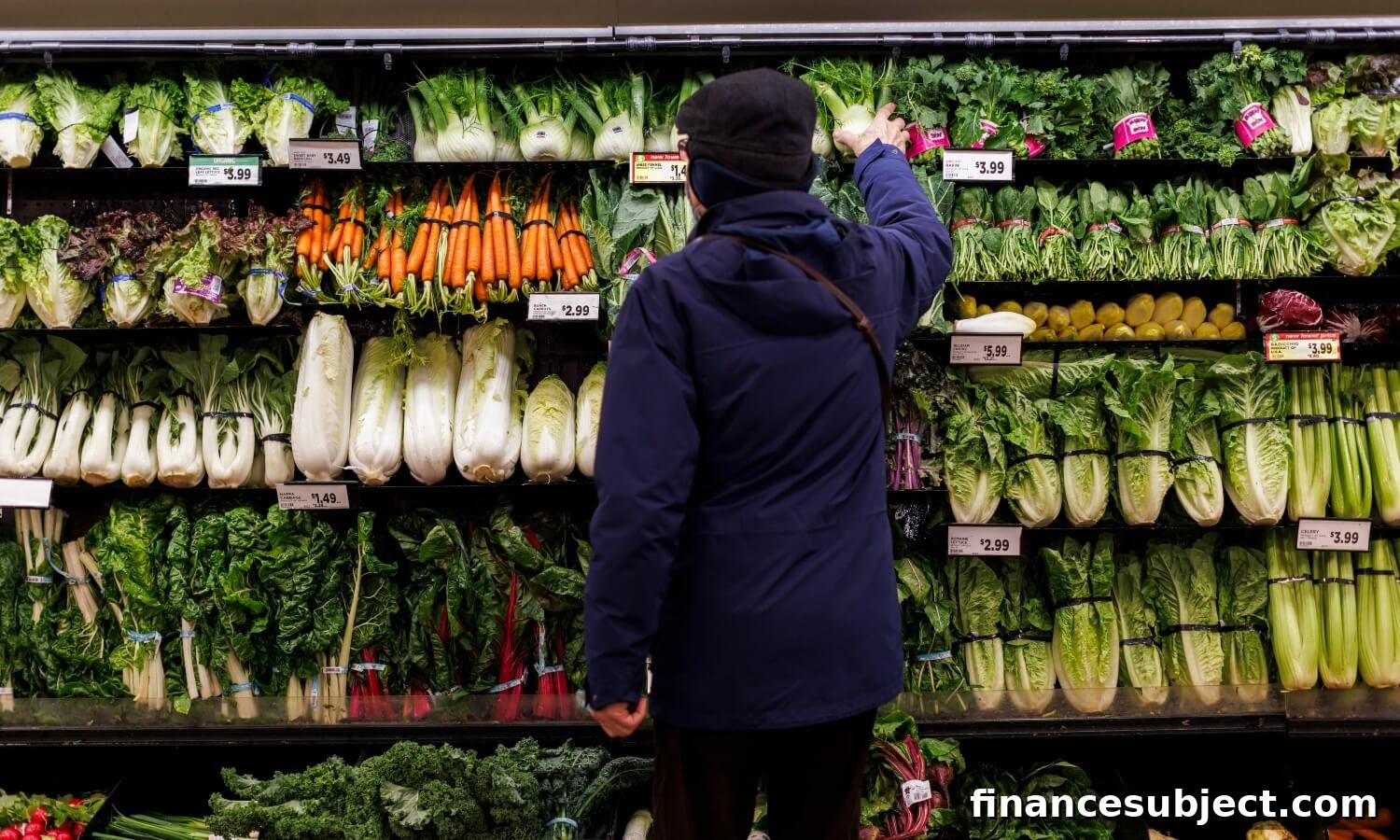
Food prices in Canada are expected to rise by roughly 3% to 5% in the coming year, according to the 15th annual food price report released by a university partnership. The study warns that unpredictable factors such as climate change and geopolitical shifts—highlighted this year by the potential return of former U.S. president Donald Trump—could alter those projections.
The report, compiled by researchers from Dalhousie University, the University of Guelph, the University of Saskatchewan and the University of British Columbia, relies on three separate machine learning and AI models to estimate costs. Based on their forecasts, a typical Canadian family of four can anticipate spending about $16,833.67 on food in 2025, an increase of up to $801.56 compared with the previous year.
Although this still represents an increase in grocery bills, the pace of inflation has eased compared with the double-digit year-over-year food price spikes experienced during the COVID‑19 pandemic. Supply chain pressures that drove those extreme increases have largely diminished, and many aspects of food distribution are moving back toward pre-pandemic norms.
“It would be fantastic if it was even lower, but it’s a step in the right direction,” said Stuart Smyth, who leads the University of Saskatchewan team on the project. He added that consumers might see a gradual flattening of food price growth over the coming year, even if prices do not fall outright.
Rankings
Canada’s best credit cards for groceries
What food products will see the biggest price increases?
Several categories are forecast to experience above-average price pressure. Meat is expected to be among the hardest hit, with projected increases in the 4% to 6% range for 2025. Those higher meat prices reflect ongoing effects from prolonged drought in Western Canada that contributed to smaller cattle herds and elevated beef prices over the past few seasons.
Vegetables may also rise faster than other groups, with expected increases of about 3% to 5%. Analysts point to the lower Canadian dollar as an important factor: a weaker loonie reduces the purchasing power of Canadian importers, which can translate into higher retail costs for produce and other imported items.
Dining out is not immune to these trends—restaurant menu prices are forecast to climb roughly 3% to 5% as operators face higher input costs and labor expenses. Dairy and bakery items are projected to rise by about 2% to 4%, while fruit and seafood are expected to see more modest increases in the 1% to 3% range.
While these percentage ranges outline likely outcomes, actual prices at the store level can vary by region and by retailer. Local supply disruptions, seasonal availability and differences in transportation costs can all affect what consumers pay in a given community.
Why food prices are still going up
Climate change remains a central force shaping food price dynamics. Increasingly frequent and severe weather events—droughts, floods, heat waves and other extremes—create unpredictable growing conditions and can reduce crop yields or force producers to adjust herd sizes. Those disruptions feed through the supply chain and are a recurring “wild card” in annual forecasts.
This year, report leads are also monitoring political and trade developments south of the border that could influence Canadian food costs. Sylvain Charlebois, director of Dalhousie’s Agri‑Food Analytics Lab and project lead, noted that the prospect of a Trump administration in 2025 raises questions about tariffs, trade retaliation and potential policy changes aimed at lowering costs for U.S. farmers. Any such shifts could have cross‑border ripple effects—affecting competitiveness, trade flows and the relative prices Canadian consumers face.
“You have to consider what may happen in the United States—the ripple effect could be quite significant,” Charlebois said. “We always deal with one wild card every year and that’s climate change. Again this year, like in 2016, we have two wild cards—climate change and Donald Trump.”
Beyond these headline drivers, food prices reflect a complex mix of factors including input costs (feed, fertilizer and fuel), labour and transportation expenses, currency movements and global demand. Machine learning models used in the report combine historical patterns with recent data to produce probabilistic price ranges, but uncertainty remains.
Newsletter
Get free MoneySense financial tips, news & advice in your inbox.
Read more about grocery prices:
- Grocery inflation in Canada: New report for spring 2024
- How Canadians can save money on gas, grocery, cellphone and other home bills
- From groceries to flights to data plans: Why is Canada so expensive?
- Inflation and food costs are rising, but so is food waste
For consumers, the outlook suggests that while the worst spikes of the pandemic era have eased, modest price increases are likely to continue. Shoppers may find some relief by comparing prices, buying seasonal and locally available produce, reducing food waste and planning meals to stretch budgets. At the same time, policymakers and industry stakeholders will be watching weather patterns and trade developments closely, since either could shift the trajectory of prices in ways that are difficult to predict today.