
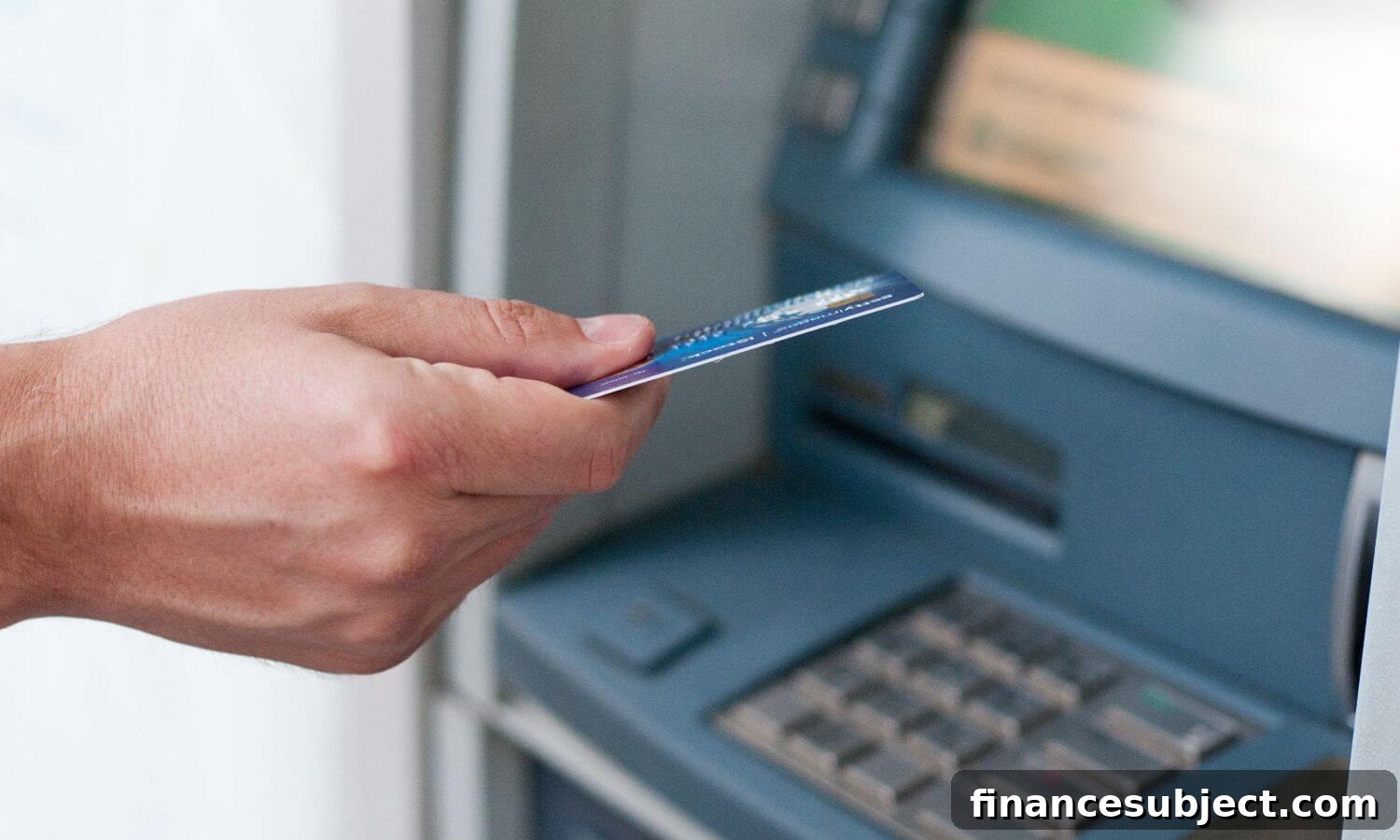
If you’re like many Canadians, you may assume bank fees are an unavoidable cost of having a chequing account. While a monthly fee can feel small, those charges add up over a year and can erode your savings. The good news is that affordable banking has become more accessible, and many Canadians can now choose low- or no-cost accounts that significantly reduce or eliminate monthly charges.
Recently, 14 financial institutions, including all six of Canada’s largest banks, agreed with the Financial Consumer Agency of Canada (FCAC) to provide low-fee and no-fee bank accounts to Canadians. That means there are more options than ever for cutting banking costs and keeping more of your money working for you.
Is switching accounts really worth it?
If you already have a chequing account with little or no monthly fee and it suits your needs, there’s no urgent reason to change. But for many people, switching to a low- or no-cost account can save hundreds of dollars a year. Typical standard chequing accounts at major banks often charge between $15.95 and $17.95 per month, which translates to roughly $200 annually—money that could go to savings, investments, or everyday essentials.
About low- and no-cost accounts
On December 1, 2025, the FCAC’s Commitment on Low-Cost and No-Cost Accounts took effect. Under this commitment, participating institutions agreed that for no more than $4 per month, Canadians can access an account that includes the following features:
- A minimum of 18 transactions per month
- Free digital monthly statements
- Cheque-writing privileges
- No minimum balance requirement
- No fees for switching accounts with the same signatory
- No extra charge for deposits, debit card use, or pre-authorized payments
- No extra charge for monthly printed statements, cheque image returns, or online cheque image viewing
- Joint accounts where appropriate (for example, married or common-law partners)
- Other services available for a reasonable fee
A $4 monthly fee amounts to just $48 over a year—an affordable option compared with standard chequing account fees at many banks.
Rankings
The best online banks and credit unions in Canada
Some Canadians may qualify for a complete fee waiver. If you meet any of the following conditions, ask your bank whether you can open an account with no monthly fee:
- Indigenous peoples
- Newcomers in their first year in Canada
- Recipients of the federal disability tax credit
- Seniors receiving the guaranteed income supplement (GIS)
- Beneficiaries of a registered disability savings plan (RDSP)
- Canadian residents under 18 years old
- People receiving social assistance from certain provincial or territorial programs
Other ways to find low- or no-cost bank accounts
Even banks that haven’t formally signed the FCAC commitment often offer low-fee or no-fee account options. If you belong to one of the groups listed above, contact your financial institution to ask about fee reductions or waivers. Look for student, senior, or newcomer banking packages that can lower or remove monthly charges.
Digital banks and online-only financial institutions frequently provide no-fee chequing accounts and competitive interest on savings. If you’re comfortable managing your finances online, these providers can offer low-cost banking with easy-to-use apps, fast transfers, and transparent pricing.
How to switch bank accounts: a simple guide
Many people delay switching accounts because they worry the process will be complicated. In reality, changing accounts—whether within the same bank or to a different institution—is straightforward. Follow these basic steps:
If you’re switching accounts within the same bank, you can usually handle everything in person, through online banking, or via your bank’s app.
- Open the new account.
- Transfer your funds from the old account to the new one using a teller or online/mobile banking.
- Update automatic withdrawals, recurring bill payments, and direct deposits so they use the new account details.
- Close the old account once everything has moved over.
To switch banks, the steps are the same, though moving money between different institutions typically requires an Interac e-Transfer or an electronic funds transfer. Some banks allow you to link the new and old accounts online and transfer funds directly; others may request deposits via ATMs or in-branch services. Confirm the preferred process with both institutions before you begin.
Still on the fence?
People delay switching banks for many reasons: fear of making a mistake, the convenience of keeping all financial products in one place, or simply discomfort with change. Banks count on that inertia to keep collecting fees. But switching to a low- or no-cost account can be a quick, effective way to lower monthly expenses—often in just four simple steps. Once you free up the money you currently spend on fees, you can redirect it toward savings, investments, or paying down debt.
Newsletter
Get free MoneySense financial tips, news & advice in your inbox.
Read more about banking:
- The best banks in Canada
- Best online banks and credit unions in Canada for 2025
- Bank fees for non-sufficient funds will be capped at $10—but not until next March
- Banking with a credit union can save on fees—but there are limitations