
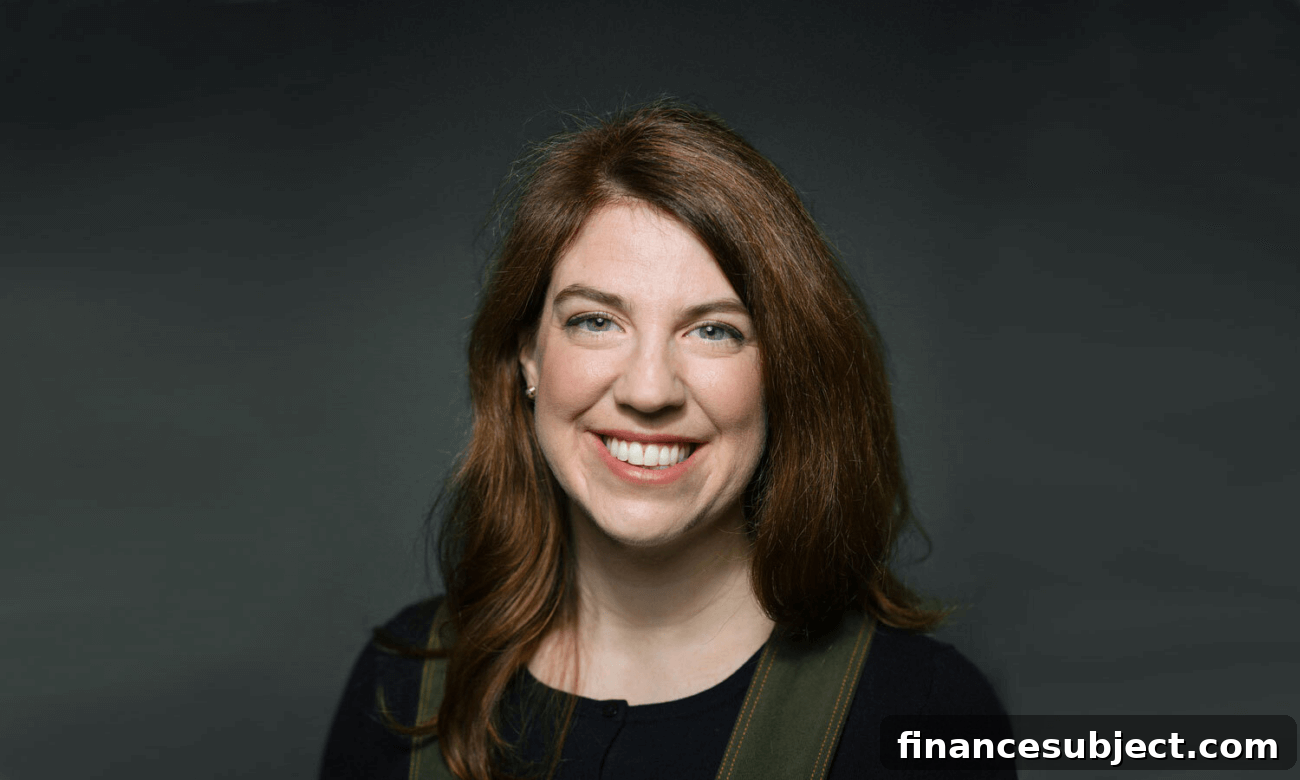
Three-time author and Certified Financial Planner Shannon Lee Simmons is candid about her financial missteps—and how she recovered from them. After leaving her Bay Street position to launch the advice-only New School of Finance, she ran into more debt than she had planned. Instead of succumbing to guilt, she chose a steady, realistic path to repay her obligations. Today, Simmons provides practical, affordable financial planning guidance to clients and readers, helping them navigate similar challenges—from budgeting and debt management to intentional spending and long-term goals.
Who are your money heroes?
My first boss on Bay Street. She taught me a tremendous amount—she was inspiring, decisive and a real role model for leadership and financial professionalism.
How do you like to spend your free time?
With my family. I have two young boys, so our weekends are full of outdoor activities. We live near the woods and often go hiking, snowshoeing or cross-country skiing. We also enjoy seasonal projects like making maple syrup—time outside together is my favorite way to recharge.
If money were no object, what would you be doing right now?
I’d still be outside with my family—probably doing more of it. I expect I’d keep working in some capacity because I enjoy what I do, but I’d slow the pace and be more selective about projects.
What was your earliest memory about money?
My parents ran a family business, so money and work were part of everyday conversation. I learned early that income can fluctuate and that earning money requires effort. As a child I experimented with scaling my lemonade stand and tried building small ventures in my neighborhood.
What’s the first thing you remember buying with your own money?
The 1992 Ace of Base CD, The Sign.
What was your first job?
I ran a small agency after attempting a real-life Babysitters Club in my neighborhood. Before that, I worked at a concession stand at a community centre—my first paycheck bought me a new shirt for school.
What was the biggest money lesson you learned as an adult?
Slow and steady almost always wins. Consistent saving and patience compound over time—time is a powerful ally for growing wealth.
What’s the best money advice you’ve ever received?
Talk about money openly. Honest conversations with friends and family normalize financial concerns, reduce anxiety and build empathy. When money isn’t treated as taboo, people make better choices and judge themselves less harshly.
What’s the worst money advice you’ve ever received?
Any promise of quick riches. Get-rich-quick schemes usually involve excessive risk and rarely deliver what they promise.
Would you rather receive a large sum of money all at once or a smaller amount of money every week or month for life?
I’d choose a lump sum up front so I could allocate and enjoy it immediately—invest, pay down debt or make meaningful purchases.
What do you think is the most underrated financial advice, tip or strategy?
Automate your savings. Even directing $10 a week into a savings account builds a habit and creates momentum toward larger goals.
What is the biggest misconception people have about growing money?
That it happens quickly. Building wealth is a long-term process that rewards consistent, patient habits rather than instant results.
Can you share a money regret?
I left my Bay Street job to start the New School of Finance and spent more than I expected in the first year. I ended up carrying significant credit card debt and had to withdraw from savings to cover it. The experience taught me the importance of conservative runway planning when starting a business.
What does the word “value” mean to you?
In my book Worry-Free Money I describe EROI—emotional return on investment. It’s a way to assess purchases not just by price, but by the emotional benefit they provide. For example, I pay to touch up my grey roots and that decision has a high EROI for me, though others might see it as unnecessary.
What’s the first major purchase you made as an adult?
My first major adult purchase was a new couch. After university I lived with hand-me-down furniture, so buying that couch—and later a bed frame—felt like a real milestone in becoming independent.
What’s your take on debt?
Debt is often unavoidable, and no one should be shamed for having it. The worst response is self-blame, which can lead to hopelessness or harmful behaviors. Focus on a sustainable repayment plan that keeps you afloat while chipping away at balances.
What was your most recent splurge?
I bought an outfit for the No-Regret Decisions book launch—a treat that felt worth the cost.
Read an excerpt from No-Regret Decisions (HarperCollins, January 2023), titled “How to make better financial decisions—without regret—in a crisis.”
What is the last money-related book you read?
Other than my own work, I enjoyed Happy Go Lucky (Little, Brown and Company, May 2022). It blends humour with insightful observations, and I find books that make personal finance approachable particularly valuable.
What is something you always have in your wallet?
My debit card.
What is your favourite possession?
My piano. It has been with me since I was five and has moved with me through apartments, shared housing and every home since—it’s a constant and a comfort.
What’s your next money goal?
My primary focus right now is paying down my mortgage.
My MoneySense quick questions
Rent or own?
Own.
Buy or lease?
It depends on the circumstances and the asset in question.
Save or invest?
Save—first. You need savings in place before you can responsibly invest.
Budget or not?
Live within your means, yes—but avoid overly strict budgets that set you up to fail. A flexible, realistic plan is more sustainable.
Read more My MoneySense profiles:
- “My first experience of buyer’s remorse has guided my spending ever since”
- Mixed Up Money’s Alyssa Davies on striving for CoastFIRE, the value of time, and more
- MYNC franchise founder Nathalie Smith on turning a passion project into her full-time job
- “Dragons’ Den” tech titan Michele Romanow on taking risks and betting on yourself
- How dating expert Damona Hoffman handles her relationship with money