
I hated school. So as a 12-year-old I took the rumours about a stern new headmaster seriously:
- “He’s going to make us wear bright blue blazers, bow ties and caps.”
- “Girls will be separated from boys except at break and lunchtime.”
- “At his last school they held extra classes on Saturday mornings.”
- “He’s into caning, and we’re all going to get it.”
Of course none of that happened when the new head took up his post. Still, discipline at my large comprehensive did improve once the top job was filled.
As a nerdy but rebellious pupil, a stricter headteacher suited me: more physics lessons, fewer fistfights. We often worry more about what might happen than what actually occurs — our imaginations can run ahead of reality.
Not my precious!
That same tendency to fear the worst is now shaping debate about the incoming Labour government. Constrained by political limits on income tax, national insurance and corporation tax, Chancellor Rachel Reeves may have to look at tax reliefs, shelters and exemptions if she needs extra revenue.
Potential targets include inheritance tax, pension tax reliefs, entrepreneur’s relief and how private equity income is taxed, the still relatively limited capital gains tax (CGT), and ISA allowances or pot sizes. The message is clear: if revenue must rise, somebody’s tax advantage will be on the table.
The struggle is real
We don’t yet know what will happen. These are pragmatic politicians rather than reckless ideologues. They understand austerity’s limits and that growth must be the priority for the UK.
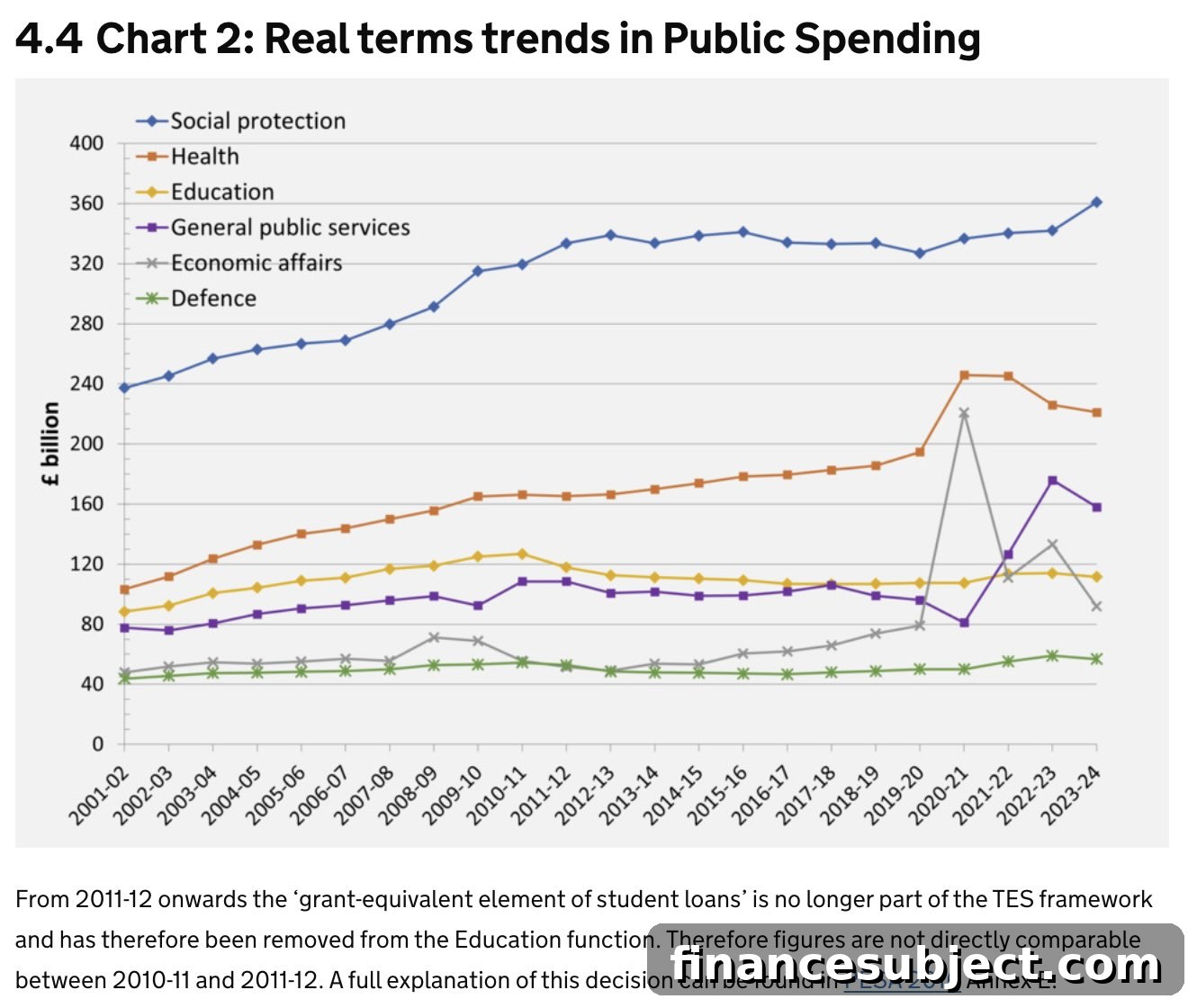
But they inherit a strained public sector after years of pressures: pandemic fallout, rising borrowing costs, an ageing population and slower productivity have all taken a toll. Brexit has also left economic consequences: the State collects considerably less tax than it would likely have if the UK had stayed in the EU, and promised gains from new trade deals have not materialised.
All this narrows the options: raise taxes, cut spending, borrow more, or attempt to boost growth — and each path has trade-offs.
Source: ONS
Beyond the Punch and Judy show
Across administrations, the tax burden has risen and public services face large backlogs. Freezing tax thresholds pushed many taxpayers into higher bands. Reversing these trends or delivering meaningful growth is easier said than done.
Reversing Brexit would help in the long run but is politically and practically implausible. Shrinking the State or cutting defence and welfare would be politically fraught and socially unpopular. Many sensible efficiency measures face fierce resistance, even when logically defensible.
The precautionary principle applied to taxes
If I were Chancellor, I’d be wary about sweeping changes. Closing questionable loopholes — for example certain carried interest arrangements — makes sense. But aggressive changes that target wealth creation risk capital flight and long-term damage.
Pragmatically, extending the freeze on tax thresholds and borrowing a little more to smooth the transition might be a less disruptive route than widespread tax hikes that discourage investment. Ultimately, boosting GDP and productivity is the only sustainable answer.
Do we face a capital gains tax rise?
Rising CGT rates are a leading fear. CGT is paid by a relatively small slice of the population in any given year, which makes it politically attractive to target the wealthy without immediate impact on most voters.
However, higher headline rates do not automatically produce large revenue gains. Some asset holders simply won’t sell if rates rise; others will crystallise gains early to avoid higher rates. Both behaviours can distort revenues and investment choices.
Short-term revenue boosts from pre-emptive selling might help a cash-strapped government, but long-term receipts depend on encouraging productive investment and growth rather than prompting avoidance or relocation.
Rates up, receipts down
Equalising CGT with top income tax rates — for example pushing rates from around 20% to 40%/45% — is often proposed. Even if headline revenue projections look attractive, higher rates could reduce incentive to realise gains, lower investment, and encourage alternative tax planning that shrinks the base.
That means the fiscal benefits may be smaller and less durable than politicians hope.
A rich take on a capital gains tax rise
Capital is more mobile than labour. For investors with modest portfolios, re-domiciling overseas isn’t worth the hassle. But for business owners or individuals expecting very large disposals, moving residence to lower-tax jurisdictions can become attractive.
High-net-worth individuals already have more flexibility to relocate, and the UK’s diminished access to frictionless European residency makes such moves easier to contemplate. ISAs and other shelters mostly matter more to average investors than to the very wealthy facing multi-million-pound tax bills.
In 2020, a small number of people accounted for a large share of taxable gains — a reminder that CGT changes primarily affect a narrow slice of taxpayers.
More than half (52.2%) of all taxable gains in 2020 went to just 5,000 people, who received an average of over £6.8m per person in gains.
Squeeze them until the pips squeak!
There is a straightforward political argument for targeting high-net-worth taxpayers: many see it as fair to tax wealth more heavily to fund public services. That sentiment can be potent, especially when framed as protecting the NHS or other essential services.
But even if doubling CGT receipts were possible, it wouldn’t solve structural productivity problems. Long-term growth requires an economy that rewards risk-taking and investment — the very forces a sharp rise in CGT could dampen.
Source: FT
Higher earners versus the wealthy versus the rest
Income tax already captures a substantial share of revenues from higher earners, but wealth remains relatively undertaxed. CGT reforms target that wealth, which explains their political appeal. Reeves has publicly acknowledged the trade-offs and noted concerns about hitting entrepreneurs who reinvest in their businesses.
Action stations ahead of a capital gains tax rise
What should investors do facing speculation about CGT changes? Plan, but don’t panic. Tax advisers and specialists can provide guidance for specific situations, particularly for lumpy assets like property.
Historically, governments have implemented changes with little notice — for instance, previous CGT adjustments took effect immediately. If you expect to be affected, consider timely, proportionate action and get professional advice rather than making hasty decisions that could harm long-term returns.
What are you doing ahead of a capital gains tax rise?
Readers who invest or run businesses are likely to be attentive to these debates. Preparing sensible, well-informed plans beats reactionary moves. If you think you’ll be in the firing line, consult specialists about timing, reliefs and restructuring options.
As ever, the most sustainable solution is stronger economic growth and higher productivity, which broadens the tax base and reduces the pressure to rely on punitive rate hikes that can discourage the very activity that creates wealth.
Weigh your options carefully, get tailored advice if you expect to be affected, and remember that long-term growth is the surest path to sustainable public finances.