
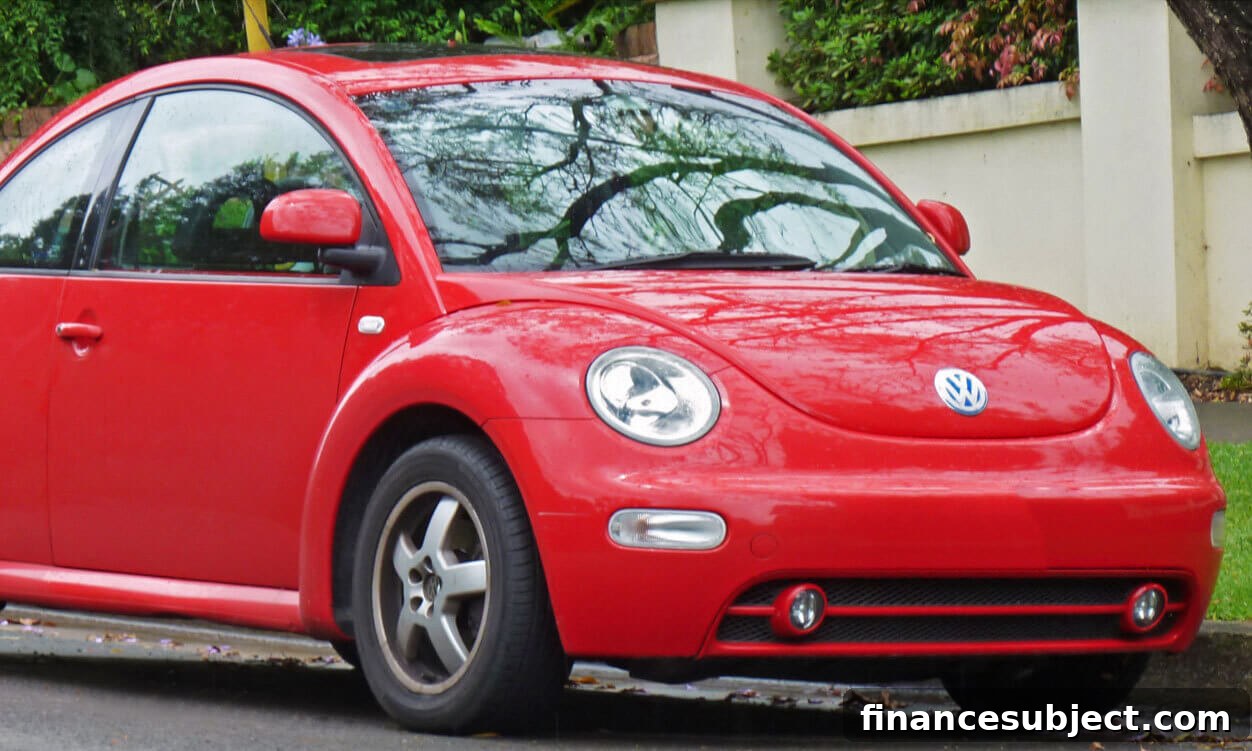
I own a 2002 Volkswagen Beetle with just 112,000 km on the odometer. The catalytic converter has rusted through and must be replaced (it wasn’t stolen). Volkswagen’s original part is about $3,000 while a reputable aftermarket unit, such as Walker, costs roughly $500. What rules govern catalytic converter replacement, and what should I consider when choosing between an original and an aftermarket part?
–G.T., Montreal, Que.
Why replace a catalytic converter?
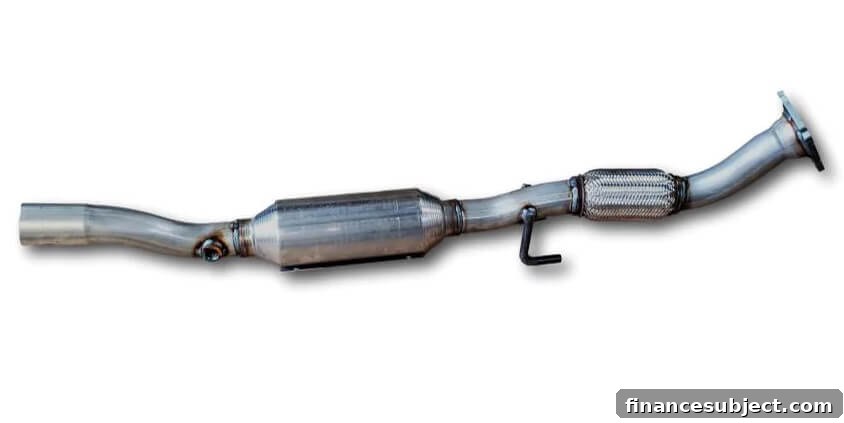
The catalytic converter is a small but vital component of your vehicle’s exhaust system. Typically about the size of a small loaf of bread, it sits in the exhaust pipe and converts harmful pollutants from engine combustion into less harmful gases like water vapour and carbon dioxide. These devices do the heavy lifting in reducing vehicle emissions and are generally reliable and long-lasting.
Catalytic converters have become more visible in the news because of increased thefts. Thieves target converters for the precious metals inside—platinum, palladium and rhodium—and vehicles with higher ground clearance, such as SUVs and trucks, are easier to access. Cutting out a converter can be quick, and tracking stolen units is difficult because converters are not engraved with a vehicle-specific identifier like a VIN.
Legal and regulatory considerations
Both original equipment (OE) and aftermarket catalytic converters can be legally fitted, but they must meet applicable emissions standards. In provinces such as Quebec, rules require that a vehicle’s emissions control system remain intact; substituting a straight pipe or otherwise bypassing emissions controls would be non-compliant. The law does not strictly require an OE part when replacing a failed converter, but using a compliant replacement is essential to meet inspection and warranty requirements.
Original versus aftermarket parts
OE converters are made to the automaker’s specifications and are tested for performance and durability. They typically contain greater quantities of the rare metals that enable efficient emissions conversion and are built with higher quality materials and thermal protection. Automakers supply OE converters to meet regulatory warranty obligations, such as the U.S. EPA’s requirement for an eight-year/130,000-kilometre emissions warranty; Canada follows similar standards.
Aftermarket converters from reputable manufacturers can be an acceptable and much more affordable alternative, especially for older vehicles. However, aftermarket suppliers are not always subject to the same long-term warranty expectations as automakers, so construction and precious-metal content can vary between brands. Because aftermarket units are not uniformly tested by a central authority, their real-world performance can be less predictable.
Insurance and warranty implications
If the replacement is covered by insurance—for example, following a collision—insurance companies and automakers generally apply the principle of “like kind and quality.” During the new-vehicle emissions warranty period, automakers often require OE parts to preserve warranty coverage. After warranty expiry, a used OE unit in good condition or a quality aftermarket converter may be acceptable for insurance claim settlement, depending on the policy and the insurer’s requirements.
Diagnosing converter failure
Catalytic converters don’t typically fail on their own; they are often damaged by underlying engine issues. Before replacing the converter, a thorough diagnostic is important. Common causes that can “kill” a converter include persistent cylinder misfires, defective oxygen sensors, worn ignition coils, burning oil, or the use of improper gaskets or sealants. Replacing only the converter without addressing the root cause risks the new unit failing prematurely.
Used converters and buying tips
A used OE converter in good condition can be a cost-effective option if it matches the emissions specifications for your vehicle, but it’s important to verify mileage and condition. For a 2002 Beetle, a converter from a later compatible model might fit, but compatibility and remaining life must be confirmed.
Because converters are attractive to thieves, you should be cautious about the source of any replacement. Avoid purchasing parts from unverified or questionable recyclers. Buy from reputable suppliers and recyclers that follow proper documentation and industry practices. In Quebec, for example, look for recyclers who belong to recognized trade organizations and who can provide clear provenance for used parts.
For many owners of older vehicles, the cost differential leads most to pick a proven aftermarket brand. In practice, many repair shops report that a large majority of customers choose the economical aftermarket option for cars beyond their warranty period, accepting a potential trade-off in longevity for immediate cost savings.
George Iny is the Executive Director of the Automobile Protection Association (APA), a consumer advocacy organization with offices in Toronto and Montreal.