

To mark MoneySense’s 25th anniversary, we are republishing and updating a classic piece from our June 2014 issue. Below are foundational money lessons and practical tips collected from our archives, reviewed by editors and experts, and still highly relevant today.
1. Pay yourself first
One of the simplest and most powerful ways to build savings is to automate them. Set up pre-authorized payments from each paycheck to an investment account so the money moves before you can spend it. Direct contributions into a registered retirement savings plan (RRSP) or a tax-free savings account (TFSA) help you save consistently and benefit from dollar-cost averaging—buying more when prices fall and less when prices rise—which reduces timing risk and softens volatility.
2. Trim your tax bill
Tax-sheltered accounts accelerate your progress. RRSPs let you defer tax on a portion of your income until retirement, when your tax rate may be lower, and allow tax-deferred growth on investments. TFSAs don’t provide an upfront tax deduction, but investment returns and withdrawals are completely tax-free, making them invaluable for long-term, flexible savings.
3. Deal with high-interest debt first
It’s counterproductive to invest heavily while carrying high-interest consumer debt. Credit card or unsecured line-of-credit rates can reach 20%–30%, far higher than typical long-term investment returns. Paying down expensive debt is often the fastest path to net worth growth.
4. Reinvest tax refunds
If you receive a tax refund from an RRSP contribution, consider reinvesting it rather than spending it. Reinvesting refunds year after year amplifies compound growth and can materially increase your savings over the long term.

High-interest savings with no monthly fees.

Guaranteed return for a fixed term to protect your capital.

Introductory high rate on eligible deposits for a limited time.
MoneySense is an award-winning personal finance publication with decades of experience helping Canadians make smarter money choices. Our editors work with accredited financial experts and compare products across major institutions to offer independent, evidence-based guidance.
5. Be realistic about returns
Building wealth takes time. Expecting double-digit annual returns consistently is optimistic and risky. Long-term returns differ by asset class; a balanced approach with realistic expectations will reduce emotional reactions and poor timing decisions.
6. Watch fees closely
Fees quietly eat into returns. Management expense ratios (MERs) and advisory fees compound over time and can significantly reduce retirement income. Low-cost funds and ETFs typically outperform high-fee alternatives after fees are considered. Aim for funds and services with total costs that are reasonable for the value they provide.
7. Update your plan regularly
Your financial plan should be a living document. Life events—career changes, marriage, children, illness, or divorce—affect goals and timelines. Review your plan at least annually and adjust your strategy to reflect changing circumstances.
8. Vet your advisor
Don’t assume a friendly relationship equals trustworthy advice. Check credentials, licensing, and any disciplinary history. Ask clear questions about fees, conflicts of interest, and the rationale behind recommendations. If your advisor doesn’t meet your needs, change providers—your finances depend on quality guidance.
9. Stick to what you understand
Avoid complex, opaque products that promise unusually high returns. If a product can’t be explained in simple terms, steer clear. Building a portfolio with straightforward assets—stocks, bonds, guaranteed investment certificates (GICs) and low-cost funds—reduces the risk of surprises and hidden costs.
10. Track your investments
Measure performance against relevant benchmarks and on an annualized, personal-rate-of-return basis. A headline return number is meaningless without context; compare your portfolio to its target allocation and goals to see whether adjustments are needed.
11. Pass on financial knowledge
Teach children about money through example and practical goals. Younger kids benefit from short-term saving targets; teens and adults can use a TFSA to begin building tax-free savings. Consider a registered education savings plan (RESP) for long-term education funding and involve family members in age-appropriate financial lessons.
12. Focus on the big picture
Avoid reacting to every market headline. Successful investing is driven by asset allocation, diversification, and discipline. Tactical moves in response to short-term noise often undermine long-term goals.
13. Diversify globally
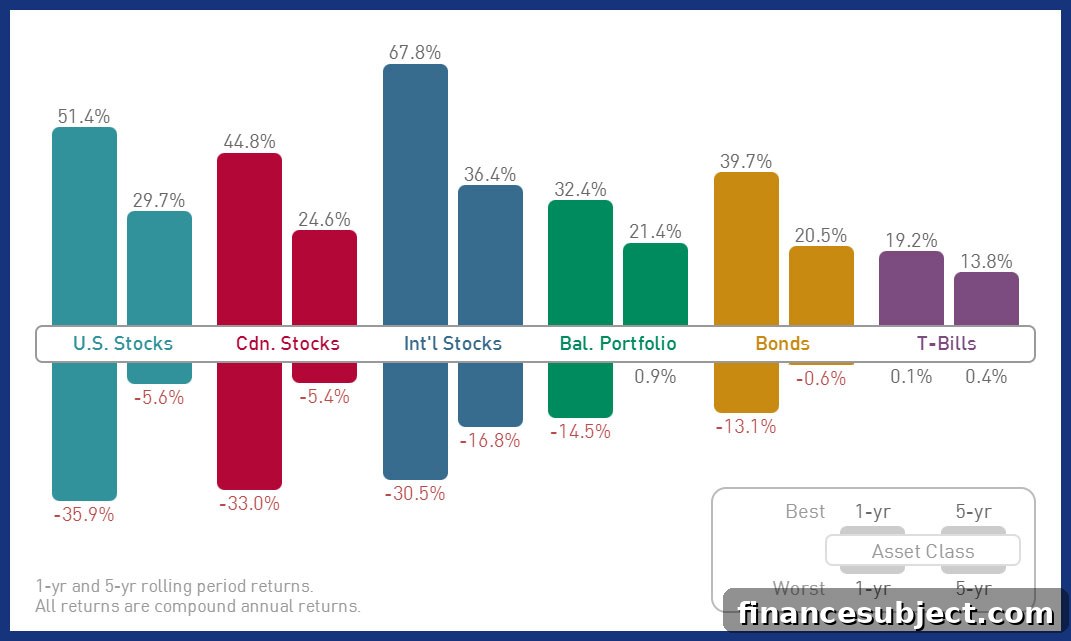
Relying exclusively on domestic stocks creates home-country bias. Global diversification expands opportunities and reduces concentration risk. Consider international equities and funds to complement your domestic holdings.
14. Beware of biased advice
Some advisors earn commissions on products they sell, which can create conflicts: limiting product choices or favoring higher-cost solutions. A fee-based advisor who is paid directly by you can reduce those conflicts and encourage more transparent, aligned advice.
15. Avoid unnecessary risk
Speculation and short-term trends can be costly. Maintain a risk profile that matches your goals and time horizon. Treat speculative trades as entertainment, not a retirement plan.
16. Save on insurance by bundling
Bundling home, auto and other policies with one insurer often yields discounts. Increasing deductibles reduces premiums, but ensure you can afford the higher out-of-pocket cost. For disability insurance, longer elimination periods lower premiums—balance cost savings against the risk of a prolonged unpaid period.
17. Renovate for living, not just resale
Prioritize improvements that enhance your daily life and comfort rather than expecting a dollar-for-dollar resale bump. Practical upgrades—better storage, improved layout, or an enjoyable outdoor space—often deliver the most personal value.
18. Cut utility costs
Utility expenses add up. Small investments—low-flow showerheads, energy-efficient appliances, air sealing, and programmable thermostats—can reduce bills over time and pay back through savings.
19. Pay your mortgage down faster
Accelerated payments or applying occasional windfalls to the principal shortens amortization and reduces interest costs. Even modest extra payments each year can shave months or years off your mortgage term.
20. Reduce commuting costs
Commuting has both financial and quality-of-life costs. Living closer to work, taking public transit, or adopting a hybrid or remote work arrangement can save time and money, and lower stress.
21. Choose experiences over things
Memories often deliver more long-term happiness than material goods. Invest in experiences—trips, classes, or memberships—that enrich relationships and create lasting value.
22. Negotiate aggressively
Asking for a lower price or free extras often works. If a seller won’t budge on price, request add-ons like free delivery, extended warranties, or installation to increase value without much cost to the seller.
23. Delay retirement if feasible
Working longer increases pension benefits, allows more time for investments to grow, and reduces the years your savings must cover. Delaying government pensions and employer benefits can substantially boost lifetime income.
24. Keep contributing to TFSAs
TFSAs provide tax-free growth and withdrawals for life. Continued contributions throughout retirement provide flexible, tax-efficient income that complements other sources.
25. Consider inflation
Inflation erodes purchasing power. Maintain some equity exposure—ideally in companies with durable cash flows and growing dividends—and consider real-return bonds, inflation-linked products, or other hedges to protect long-term purchasing power.
Compare grocery prices over time
| Food items | 1935 | 2014 | 2022 |
| Bacon (1 kg) | $0.68 | $11.10 | $17.10 |
| Sirloin steak (1 kg) | $0.51 | $19.54 | $26.39 |
| Flour (1 kg) | $0.07 | $2.04 | $4.65 |
| Sugar (2 kg) | $0.14 | $1.48 | $2.67 |
| Coffee (1 kg) | $0.83 | $18.43 | $18.70 |
| Onions (1 kg) | $0.09 | $1.93 | $2.37 |
| Potatoes (4.54 kg) | $0.14 | $5.99 | $10.33 |
| Eggs (2 dozen) | $0.31 | $3.25 | $7.74 |
| Butter (454 g) | $0.28 | $4.52 | $5.67 |
| Grocery cart totals | $3.05 | $68.28 | $95.62 |