
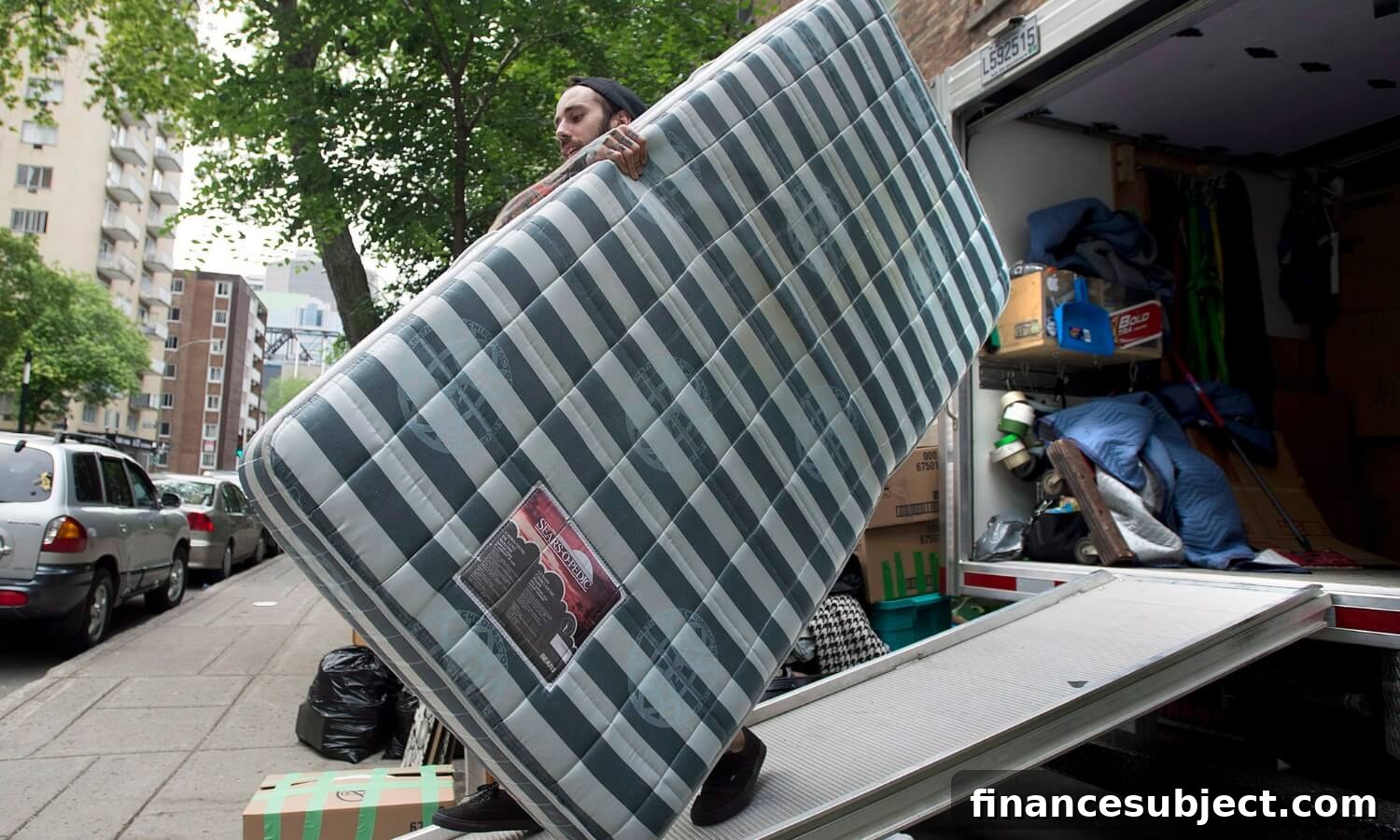
Relocating is more than simply moving farther away—it’s about establishing a new life within a different local economy. Often the move is motivated by finances, whether to secure cheaper rent or property or to accept a job in another city. Because of that, your relocation budget should cover far more than moving van costs, says Calvin Hexter, a Realtor with the Calvin Realty Team at eXp Realty in Edmonton.
The first priority is closing out obligations where you currently live. “I think a lot of people get surprised when it comes to terminating their mortgage,” Hexter says. “They are two years or three years into a mortgage term and didn’t realize that, and sometimes it could be a $10,000 to $15,000 penalty. If you’re starting from ground zero, it’s looking at what it is going to cost for you to exit your current arrangements. Are you mid-lease? Are you mid-mortgage? And what are the implications with that?”
Plan for hidden moving costs and timing gaps
Timing mismatches between move-out and move-in days can create unexpected expenses. Hexter warns that temporary storage fees for your belongings and short-term lodging—hotels or vacation rentals—can quickly add up. Ask your real estate agent for recommended moving companies; trusted referrals can help you avoid scams and may include discounts. Be cautious of unusually low quotes, which are a common red flag for moving scams.
If you’re moving a long distance, think about whether your furniture is worth transporting. Brandon Wiebe, a fee-only financial planner with Money Helps in Saskatoon, points out that buying new furnishings after you arrive can sometimes be more cost-effective than paying to move heavy or low-value items. Also factor in travel expenses, whether airfare, gas, or accommodations along the route.
Test the lifestyle before committing to a home
One important but often overlooked landing cost is the change to your support network. “One of the bigger things you want to consider is how your support system might change if your friends and family aren’t accessible,” Wiebe says. That may mean you no longer have people to help with heavy lifting when moving, to assist with renovations, or to provide childcare help you previously counted on.
When possible, adopt a “try it before you buy it” approach. Renting in the new city before purchasing gives you a chance to experience daily life, transportation, local services and community fit. Reselling a recently purchased property can be costly once Realtor commissions and closing fees are included, so trial living reduces the risk of an expensive mismatch. Wiebe shares an example of clients who house-sat in Montreal to test city life and later bought with confidence.
Bigger city doesn’t always mean higher costs
Don’t assume a larger city will be uniformly more expensive. Rural and suburban properties carry their own costs: septic systems, long driveways that require snow clearing, higher property maintenance and variable property tax rates. Conversely, some urban centers allow you to live car-free if they offer strong public transit and walkable neighborhoods, which can reduce transportation and parking expenses.
“I think people in Saskatoon may assume that everything is just going to be more expensive [in another city],” Wiebe notes. “There may be areas like transit or even the cost of heating your home in the winter where you actually can save money in another city.” The overall cost of living will depend on your lifestyle and the specific trade-offs in your new location.
Budget smarter with research and expert advice
Research local costs in advance: groceries, utilities, fuel, insurance and other recurring expenses will differ between communities. Hexter suggests using tools that summarize reliable sources and help with cost comparisons. You can review your current spending and project how those amounts will translate in the new city. Whether you use digital tools or manual budgeting, create a realistic projection that includes both one-time relocation expenses and ongoing monthly costs.
Lean on professionals experienced with relocations. “If you’re working with a Realtor, talk to them about moving costs,” Hexter says. Agents who have handled relocation can connect you with trusted moving services, storage solutions, and other partners who can help reveal potential blind spots and unexpected fees.
Resource highlight
You’re 2 minutes away from getting the best mortgage rates.
Answer a few quick questions to get a personalized quote, whether you’re buying, renewing or refinancing.
Powered by ratehub.ca
To simplify planning, use a relocation checklist: list exit costs (lease termination, mortgage penalties), moving and storage fees, travel costs, initial furnishing or renovation expenses, and a buffer for unexpected costs. Add projected monthly living expenses—rent or mortgage, utilities, transportation, groceries, insurance and childcare—to compare your current budget with the new location’s realities.
Newsletter
Get free MoneySense financial tips, news & advice in your inbox.
Read more about real estate:
- Where to Buy Real Estate in Canada 2025: National overview
- What happens if you sell real estate to family for a dollar?
- The hidden value of a professional real estate appraisal
- Sales up, prices down in GTA housing market
Relocating successfully means accounting for both tangible costs and lifestyle shifts. By researching local prices, consulting experienced professionals, testing the area when possible, and building a thorough budget with contingency funds, you can reduce surprises and make a move that supports both your financial goals and daily life. Thoughtful planning turns a disruptive change into a fresh start that fits your priorities and budget.