
Kyle Prevost, creator of 4 Steps to a Worry-Free Retirement, Canada’s DIY retirement planning course, shares this week’s financial headlines and provides perspective for Canadian investors.
U.S. investment banking is back
Big U.S. banks delivered stronger-than-expected quarterly results this week, driven largely by a rebound in investment banking activity, higher wealth-management fees and improved equity trading. Below are the key earnings highlights, reported in U.S. dollars.
U.S. bank earnings highlights
- JPMorgan (JPM): EPS $4.37 (vs. $4.01 expected). Revenue $43.32 billion (vs. $41.63 billion expected).
- Bank of America (BAC): EPS $0.81 (vs. $0.77 expected). Revenue $25.49 billion (vs. $25.30 billion expected).
- Wells Fargo (WFC): EPS $1.52 (vs. $1.28 expected). Revenue $20.37 billion (vs. $20.42 billion expected).
- Morgan Stanley (MS): EPS $1.88 (vs. $1.58 expected). Revenue $15.38 billion (vs. $14.41 billion expected).
- Citigroup (C): EPS $1.51 (vs. $1.31 expected). Revenue $20.32 billion (vs. $19.84 billion expected).
- Goldman Sachs (GS): EPS $8.40 (vs. $6.89 expected). Revenue $12.70 billion (vs. $11.80 billion expected).
After a period of muted dealmaking when high interest rates discouraged activity, third-quarter results show a clear recovery in investment banking. Several banks credited investment banking fees, wealth-management income and equity trading for the quarter’s revenue growth. That trend helped shares of investment-banking heavyweights like JPMorgan and Morgan Stanley rally—JPMorgan stock jumped about 7% after its results were announced.
Retail-oriented banks faced a mixed picture: higher loan-loss provisions and increased operating costs weighed on results for institutions with larger consumer lending portfolios. Citigroup, for example, set aside materially more for potential credit losses this quarter than a year ago, and despite beating earnings expectations its shares fell on the day.
For Canadian investors, exposure to U.S. banks has been rewarding this year. Equal-weight U.S. bank strategies have performed strongly, reflecting the recovery in fees and trading revenues.



Cuts lead to a big week for Walgreens
Healthcare companies delivered mixed results. Johnson & Johnson reported a solid quarter, while Walgreens stood out after announcing cost-cutting measures alongside earnings that beat expectations.
Health-care earnings highlights
- Johnson & Johnson (JNJ): EPS $2.42 (vs. $2.19 expected). Revenue $22.50 billion (vs. $22.17 billion expected).
- Walgreens (WBA): EPS $0.39 (vs. $0.36 expected). Revenue $37.55 billion (vs. $35.76 billion expected).
- UnitedHealth (UNH): EPS $7.15 (vs. $7.03 expected). Revenue $100.82 billion (vs. $99.28 billion expected).
Johnson & Johnson’s results were boosted by product launches and growth in its Innovative Medicine division, but the stock moved only modestly despite the beat. UnitedHealth beat revenue and earnings estimates but saw a pullback in its share price after the market digested its guidance and recent expectations.
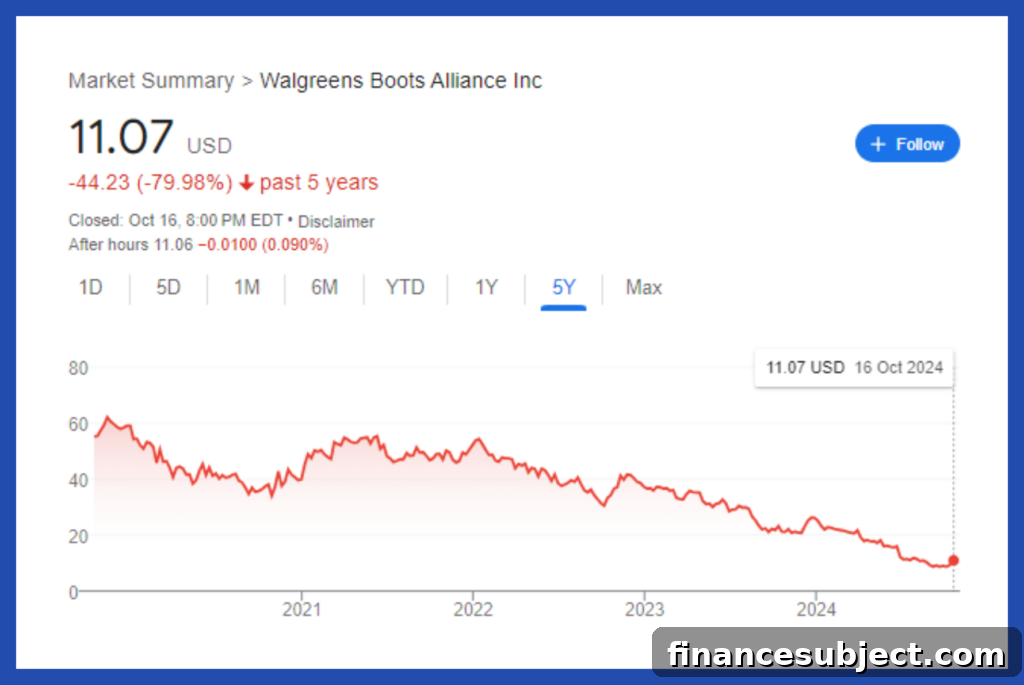
Walgreens had the most notable stock move: shares rallied sharply after management announced plans to close roughly 1,200 of its 8,700 locations to shore up profitability. The store closures, combined with a stronger-than-expected quarter, lifted investor sentiment and produced a substantial short-term gain. Still, the broader five-year chart shows the company has faced sustained pressure from competition and changing consumer behavior.
Netflix shows a steady stream of profits
Netflix continued to exceed expectations, reporting another quarter of profit and subscriber growth. Earnings per share were $5.40 versus the $5.12 analysts expected, and revenue was $9.83 billion versus $9.77 billion expected. Paid memberships topped forecasts at approximately 282.7 million.
Content remains the engine of growth: recent hits and renewed seasons helped drive engagement. Netflix is also expanding into live sports and high-profile events, which the company expects to support future subscriber and revenue growth.

United Airlines shares take to the sky
United Airlines reported a strong quarter, with EPS of $3.33 beating the $3.17 consensus and revenue of $14.84 billion slightly above expectations. The airline’s stock jumped after the results and the announcement of a $1.5 billion share buyback program.
Corporate travel improved markedly, and basic-economy seat sales rose sharply, reflecting stronger demand. United also announced new international routes in recent weeks, signaling continued long-haul capacity expansion.
The inflation dragon has been slain
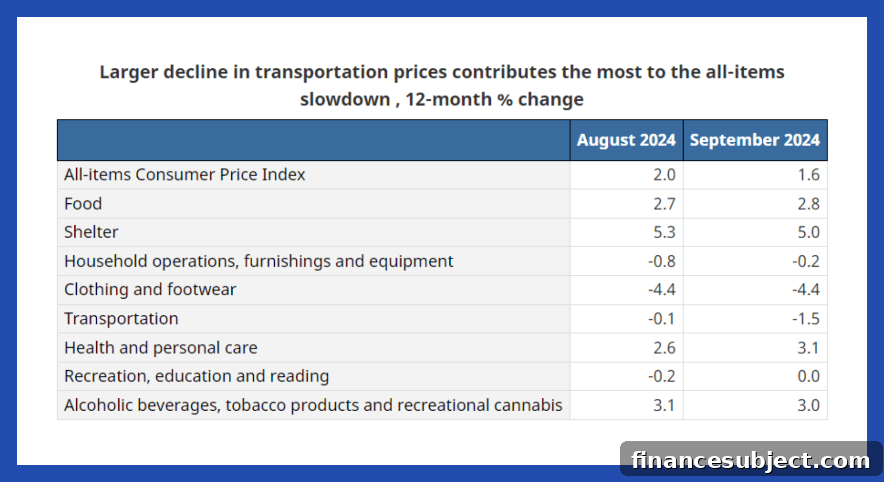
Inflation in Canada has retreated sharply. Statistics Canada reported an annual Consumer Price Index (CPI) increase of 1.6% for September, a substantial drop from the double-digit peaks seen during the inflation surge. Much of the decline was driven by lower prices for clothing, footwear and transportation; gasoline prices were down significantly year over year.
At the same time, shelter costs remain a concern: rent increases were still elevated at 8.2% year over year, though slightly below the previous month’s reading. The unexpectedly low CPI print makes it more likely that the Bank of Canada will cut its policy rate soon, and markets are assigning a meaningful probability to a half-point reduction at the next meeting.
As inflation trends lower and interest rates follow, income-oriented investments such as dividend stocks and high-quality fixed income will likely draw renewed investor interest.
The Canadian Financial Summit is coming up
Registration is open for the 2024 Canadian Financial Summit, a free online event taking place Oct. 23–26. Several MoneySense contributors are slated to speak. The summit offers sessions on investing, retirement planning and personal finance for Canadian audiences.
More about investing
- Boost your portfolio: why and how to increase small-cap exposure with ETFs
- WeBull Canada review
- Best robo-advisors in Canada
- When holding on to stocks can hurt you financially
- Crypto headlines: market exits and regulatory updates