

Kyle Prevost, creator of 4 Steps to a Worry-Free Retirement, Canada’s DIY retirement planning course, shares financial headlines and provides context for Canadian investors.
Are we in the middle of another Roaring ’20s?
The original Roaring ’20s in the United States was a decade marked by rapid innovation, exuberant consumer spending, a buoyant stock market and a broadly optimistic social mood following World War I and the 1918 influenza pandemic. Some market watchers argue that the current decade is echoing parts of that era.
Investment strategist Ben Carlson and other observers point out a number of similarities between today’s economy and that earlier period. Current data highlights several high-water marks in the U.S. and global economies:
- Household net worths and asset valuations are at or near record levels.
- We are emerging from a global pandemic that was the most significant public-health shock since the 1918 influenza.
- Stock markets have reached all-time highs.
- Home prices in many regions are at elevated levels.
- Economic activity indicators are strong.
- Air travel and other mobility measures are back near or above pre-pandemic levels.
- Unemployment has remained unusually low, with rates under 4% in recent years.
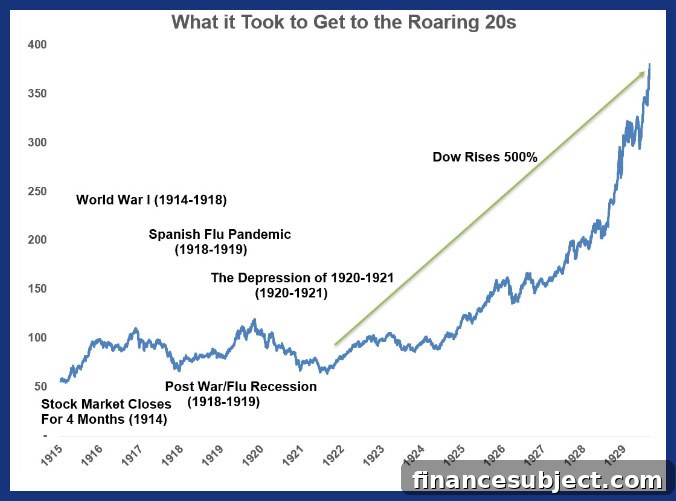
Other charts and data series also underline how confident both businesses and consumers have been in recent quarters, from corporate investment indicators to household consumption metrics.
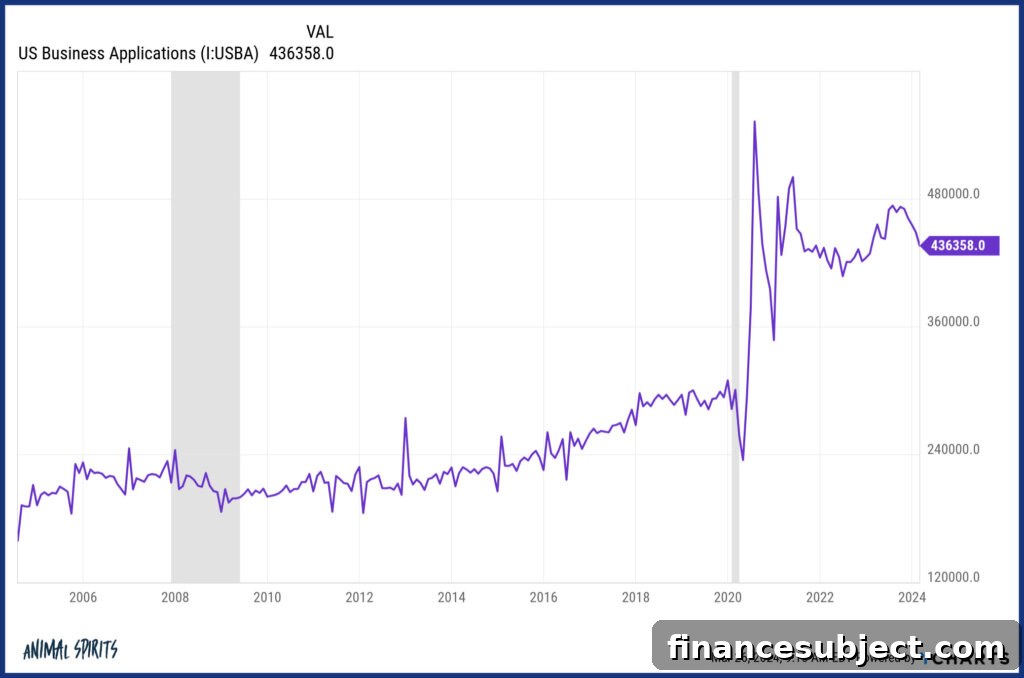
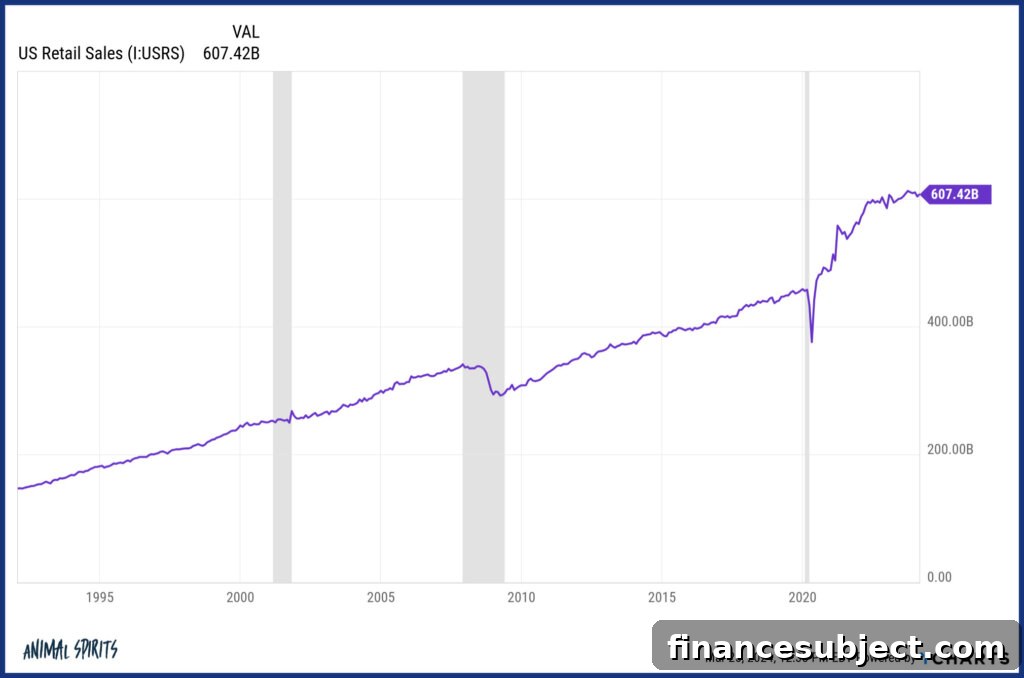
That said, there are important differences. Although optimism and innovation are strong, the current environment lacks some of the extreme speculative excesses that defined the 1920s. Elevated interest rates and persistent inflation have moderated the most excessive consumer behavior in many income brackets, especially compared with the post-war boom in the 1920s.
Many investors and historians would argue that a degree of skepticism is healthy: less irrational exuberance can reduce the severity of any future market corrections. One notable feature of today’s expansion is that economic momentum has built while interest rates remain relatively high. That offers policymakers room to cut rates if growth slows, which should help cushion downturns.
If you’re hesitant to invest because the market is making new highs, remember that long bull markets can persist for years; new all-time highs are a relatively common state for equity markets over long horizons.
FHSA celebrates its first birthday
As of April 2024, Canada’s First Home Savings Account (FHSA) has completed its first year as a registered account type. Early adoption has been brisk and several notable trends have emerged:
- Over half a million FHSAs have been opened since the program launched.
- Early data from one of the first brokerages to offer FHSAs showed average account balances of roughly $5,300 after the first 90 days.
- To use last year’s contribution room, the account needed to be opened by Dec. 31, 2023, but many Canadians still have time to open an FHSA in subsequent years.
- Once you open an FHSA, you have 15 years to use it toward a qualifying home purchase; if you don’t, you can roll contributions into an RRSP.
- Contribution limits are $8,000 per year and $40,000 over a lifetime.
- FHSAs are often described as combining the tax-deductible contributions of an RRSP with the tax-free withdrawals of a TFSA when used for a first home.
Industry leaders have noted rapid consumer demand. Executives at early-adopting brokerages described the rollout as one of their most in-demand product launches. Government officials have highlighted that hundreds of thousands of Canadians are now closer to saving for a first home thanks to the new account.
For prospective first-time buyers, the FHSA can be especially powerful: contributions may generate an immediate tax refund similar to an RRSP contribution, and that refund can then be redirected into the FHSA to boost ongoing savings.
Everyone’s buying stocks
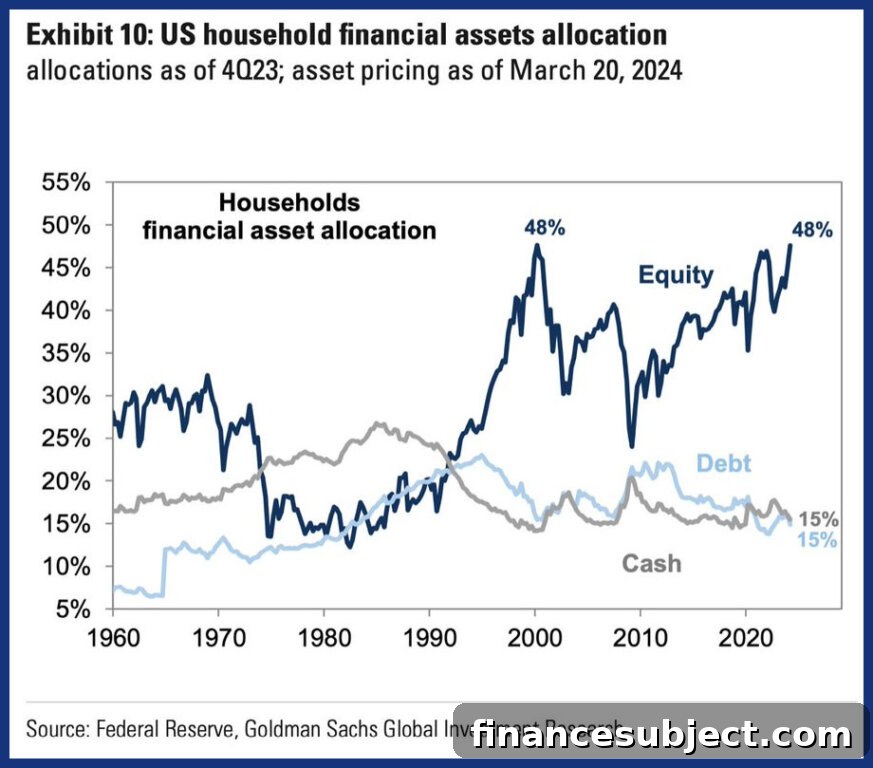
U.S. household wealth recently reached a record high—driven in large part by the sustained post-2008 rise in U.S. equities. In the fourth quarter of 2023, the total value of equities held in mutual funds and retirement accounts increased by trillions of dollars, and cash holdings also rose as investors took advantage of higher interest rates.
As equity values climbed, stocks now account for a greater share of household assets than at most points in history, outside the dot-com peak of 2000. Several structural and behavioral factors help explain this trend:
- The long-term outperformance of U.S. equities since 2008 has increased the weight of stocks in household portfolios.
- The shift from defined-benefit to defined-contribution retirement plans has transferred more equity exposure to individual investors.
- Widespread access to financial information has improved investor knowledge of long-term stock returns.
- Younger generations who entered markets during the meme-stock era and the pandemic are maintaining exposure to equities.
- While there have been significant pullbacks—most notably in early COVID-19 and again in 2022—those corrections were relatively brief and were followed by strong recoveries, rewarding buy-and-hold investors.
A contrarian might worry that stocks are overallocated, but the historical resilience and long-term returns of equities make a dramatic decline in household stock allocations unlikely in the near term. Canadian households are also seeing healthy asset growth. Financial assets in Canada reached new highs recently, contributing to record aggregate net worth—even as residential real estate values cooled and household debt growth slowed to its slowest pace in decades.
Will new corporations spin off more value?
Corporate spin-offs have returned to headlines as several large industrial companies reorganize. While mergers and acquisitions often emphasize the benefits of integration and synergy, there is an opposing theory: when large companies become unwieldy, breaking them into focused businesses can unlock value by allowing each unit to concentrate on a narrower strategy and customers.
General Electric recently completed a multi-way split, reorganizing the former conglomerate into three distinct publicly traded companies:
- GE Vernova (GEV): the company’s energy-related businesses.
- GE Aerospace (GE): a standalone pure-play aerospace company that retained the legacy GE ticker.
- GE HealthCare (GEHC): already spun off in late 2022 and trading independently, it has delivered strong returns since separating.
On their first trading day under the new structure, some GE-related shares fell modestly as the market absorbed the change. Separately, 3M completed the spin-off of its healthcare business into a newly named company, Solventum. Initial trading saw Solventum shares decline from their IPO levels, and 3M shares also traded lower year-to-date following the corporate reorganization.
Whether these structural changes lead to lasting improvements in innovation, profitability and shareholder value remains to be seen. In some cases spin-offs help managers focus and compete better; in others, they amount to financial reshuffling that produces only short-term headline gains. Investors will be watching performance, governance and capital allocation at the new, separate firms to judge if the moves create sustainable value.
Read more about investing:
- How might inflation impact your retirement plans?
- What is a cashable GIC?
- Will GIC rates keep going up in 2024?