
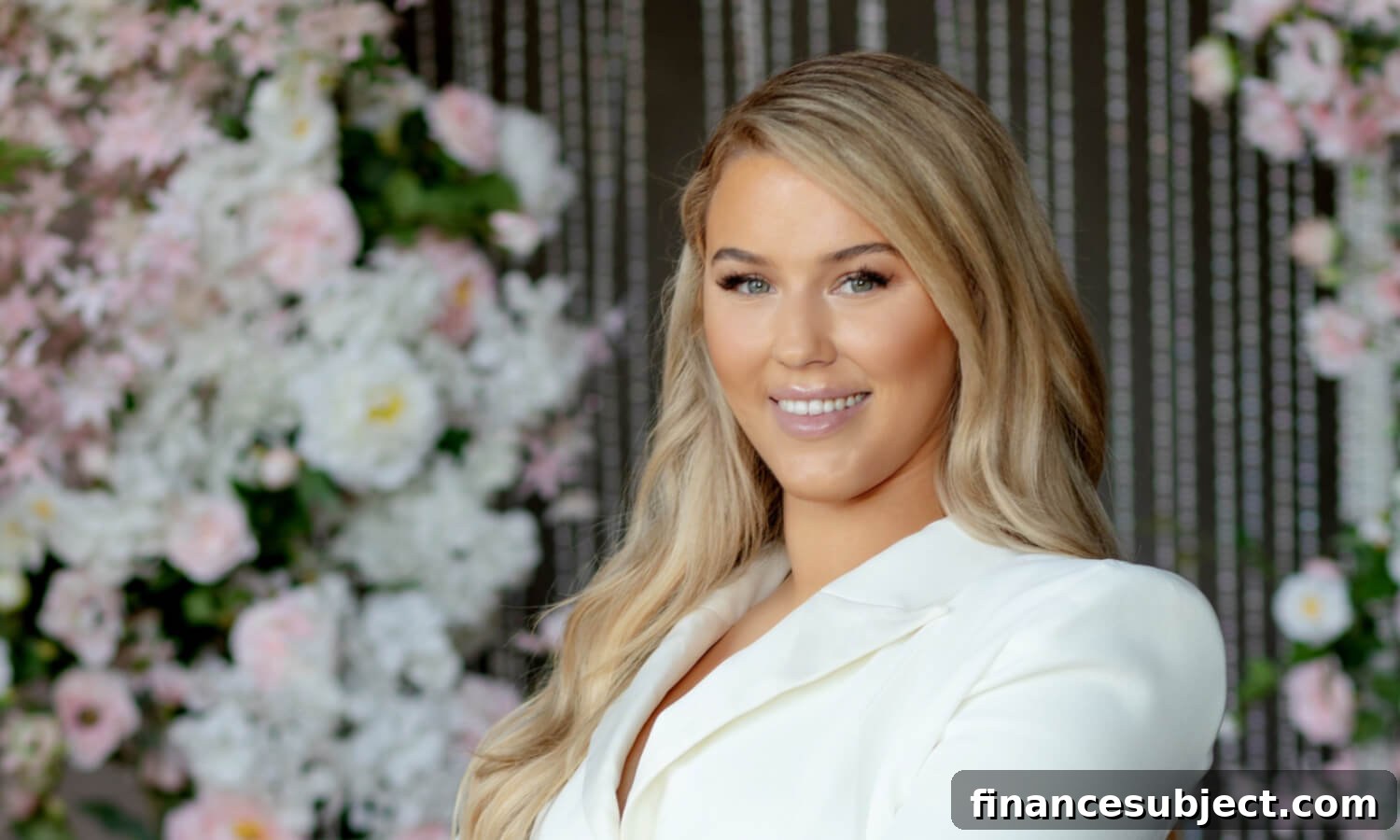
Mallory Greene is transforming the funeral industry. As co-founder and CEO of Eirene, she leads a company that provides end-of-life services—such as cremation arrangements and funeral planning—available online or by phone, 24/7. Based in Toronto and coming from a family familiar with funeral care (her father is a funeral director), Greene grew up with open conversations about death. At Eirene, she and her team emphasize compassion, sustainability and affordability. The service is currently offered in Alberta, Saskatchewan, Ontario and Nova Scotia. In 2022, Greene was named to Forbes’ 30 Under 30 for entrepreneurs and innovators. Below, she shares her perspectives on money, value and how to make the most of life.
Who are your finance and investing heroes?
I admire Warren Buffett. I’m not obsessed with daily market movements, but I respect his practical approach: patience, focus and simple investment principles that have built generational wealth. I also appreciate his long-standing commitment to philanthropy.
How do you like to spend your free time?
Much of my free time has been redirected to growing the business, but when I do step away, I enjoy travelling and spending time with family and friends. I’m a real foodie, so exploring new restaurants is often how I relax and reconnect.
If money were no object, what would you be doing right now?
I would start a foundation dedicated to improving the lives of women globally. And I’d travel more—there’s always room for more exploration in life.
What was your earliest memory about money?
I remember how engaged my mother was with our household finances and how she educated herself about money. Her example taught me the importance of being financially informed—especially for women—so I can participate equally in financial decisions within any partnership.
What’s the first thing you remember buying with your own money?
The first significant thing I purchased was a mattress and bed frame for my first apartment downtown. That experience taught me how costly furnishing a home can be.
What was your first job?
My first paid shift was at La Senza when I was 15, but they couldn’t officially hire me because of my age. I later worked at Shoppers Drug Mart, which became my first steady job.
What was the biggest money lesson you learned as an adult?
After getting my first credit card, I should have started monitoring my credit score and credit utilization right away. I didn’t, and while it didn’t cause major harm, I could have educated myself sooner to avoid unnecessary missteps.
What’s the best money advice you’ve ever received?
Building wealth takes time. There’s no shortcut to lasting financial growth—consistent, long-term investing and patience win out over get-rich-quick schemes.
What’s the worst money advice you’ve ever received?
There’s too much pressure around buying a home as the definitive sign of financial success. The rent-versus-buy debate is often overstated, and in today’s market it creates unnecessary stress for younger people. Make the decision that fits your life and financial goals, not what’s expected.
Would you rather receive a large sum of money all at once or a smaller amount every week/month for life?
I’d take a large lump sum. With that, you can fund automated investment portfolios and then allocate capital to projects or businesses that further grow your wealth.
What do you think is the most underrated financial advice, tip or strategy?
Give your quality of life the same priority as your investments. We have one life to live—enjoy it. Whether that means a daily coffee you love or saving for a memorable family trip, intentionally spending on what brings you joy is valuable.
What is the biggest misconception people have about growing money?
That it’s overly complicated. In many cases, automating contributions and staying consistent is enough to see meaningful growth over time.
Can you share a money regret?
I used to treat work bonuses like I was on an endless spending spree. I gained memorable experiences, and I don’t regret those entirely, but I do wish I had put more aside for the future.
What does the word “value” mean to you?
Value for me is closely tied to time. I assess how I spend my time and whether it’s worth doing certain tasks myself or delegating them. I also weigh decisions by the time they save—paying a bit more for convenience can be worthwhile if it frees up time for higher priorities.
What purchase took the most amount of time for you to decide to buy?
My car. I researched brands, safety features and ratings extensively, and then navigated the uncomfortable process of negotiating at dealerships.
What’s your take on debt?
Debt is often discussed with shame, which isn’t helpful. Many Canadians carry debt, and while some types of debt are harmful, other forms can be used strategically to improve financial outcomes. The important part is understanding and managing it responsibly.
What was your most recent splurge?
I bought a Rosso Levanto marble table at an estate sale—it’s a solid piece of Italian marble and a unique addition to my home. Considering current furniture prices, it was a reasonable find and a piece I really enjoy.
What is the last money-related book you read?
I recently read I Will Teach You to Be Rich by Ramit Sethi (Workman Publishing, 2019). It’s a practical personal finance guide with clear action steps for organizing money while still enjoying life.
What is something you always have in your wallet?
I carry a very small wallet—mostly empty. Most of my payment cards and information live on my phone.
What is your favourite possession?
I cherish a collection of vintage designer clothing I’ve gathered over the years. I tend to save those pieces for special occasions.
What’s your next money goal?
I plan my personal goals in five-year increments. Over the next five years, I’d like to build my dream home.
My MoneySense quick questions
Rent or own?
Rent for now—until I build my dream house.
Buy or lease?
Lease. I consider cars a luxury rather than an investment and enjoy the flexibility of changing vehicles every few years.
Save or invest?
Build an emergency fund first, then automate your investments.
Budget or not?
I prefer flexible, shame-free budgeting. I like Ramit Sethi’s Conscious Spending Plan, which divides fixed costs, investments and savings, and leaves a guilt-free spending allowance. It’s a straightforward, stress-free approach.
Read more My MoneySense profiles:
- Reni Odetoyinbo on paying yourself first and building multiple income streams
- FICO’s Jenelle Dito on common credit card mistakes and how to avoid impulse buys
- Meet Michelle Hung: The Sassy Investor who helps clients recognize their worth
- Kristy Shen on the FIRE movement and using money to buy back time
- What influencers Steph & Den want you to know about retirement