

With more than 1,400 exchange-traded funds (ETFs) available in Canada, using a benchmark index can simplify the selection process. A key factor to understand is how an index is weighted. The most-followed stock indexes, such as the Nasdaq-100 and the S&P 500, use market-capitalization weighting. That means a company’s weight in the index grows with its market capitalization—the current share price multiplied by the number of outstanding shares. Many indexes also apply a free-float adjustment, counting only shares available to the public and excluding holdings by insiders or strategic owners.
But market-cap weighting is only one approach. With the growing dominance of a handful of large tech firms—Alphabet, Amazon, Apple, Microsoft, Nvidia, Meta and Tesla—some investors worry about concentration risk in cap-weighted indexes. These mega-cap stocks have driven much of the S&P 500’s gains over the past decade, but performance can swing from year to year. That has prompted interest in strategies that reduce top-heavy exposure and tilt toward a broader mix of companies and sectors.
One popular alternative is the equal-weight index, which assigns roughly the same weight to every stock in the index. Rather than letting the biggest companies dominate, equal-weight funds spread exposure evenly across constituents.
Is equal weighting the right solution to concentration concerns? It depends on what you care about. Below is a balanced look at the advantages and trade-offs between market-cap-weighted and equal-weighted index ETFs.
Also read
The best online brokers, ranked and compared
The case for equal-weight index ETFs
Advocates of equal weighting highlight its straightforward way to reduce concentration risk. When no single company can dominate the index, a portfolio can capture a wider cross-section of market returns and limit the impact of a single large-company drawdown.
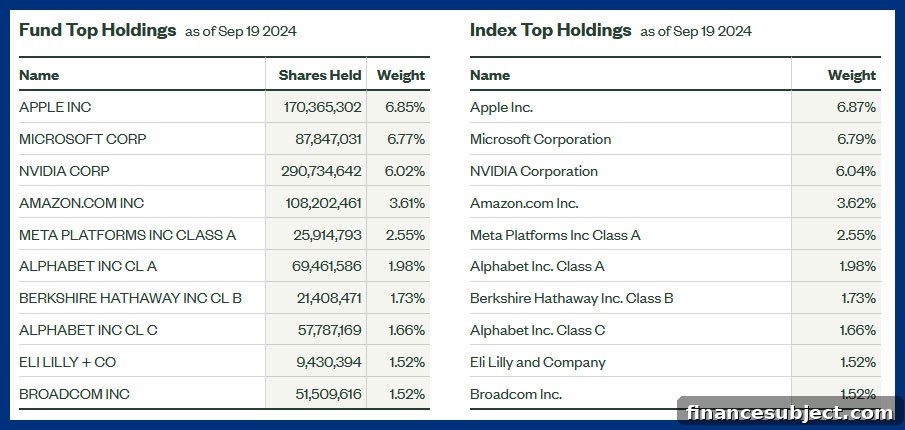
For example, the market-cap-weighted SPDR S&P 500 ETF Trust (SPY) has a significant tilt toward the technology sector—about 31% at certain points—without counting tech-adjacent names that are classified in other sectors. At times the largest holdings account for more than a third of the fund’s weight, leaving investors exposed if a handful of mega-cap stocks weaken.
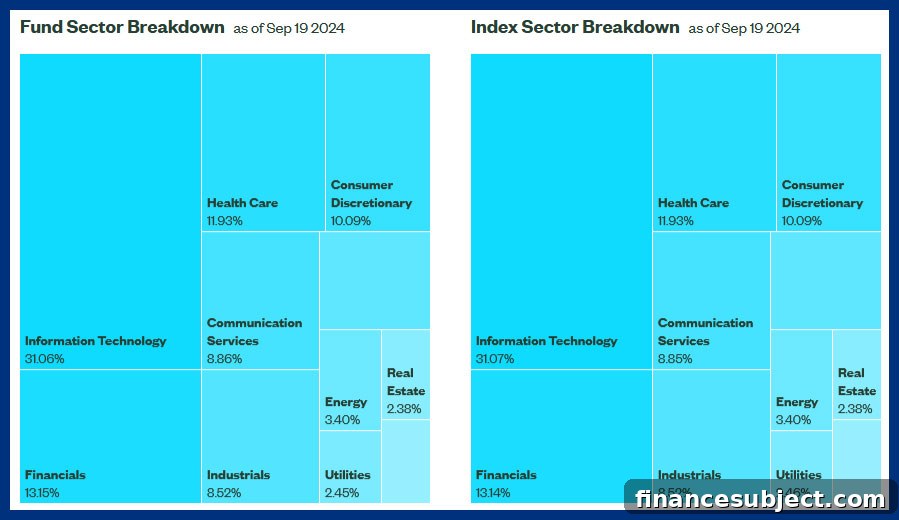
History offers cautionary examples. In Canada, a single company once accounted for a very large share of the main index, and its collapse weighed heavily on overall market returns in the years that followed. Concentration risk and stretched valuations can leave indexes vulnerable when sentiment shifts.
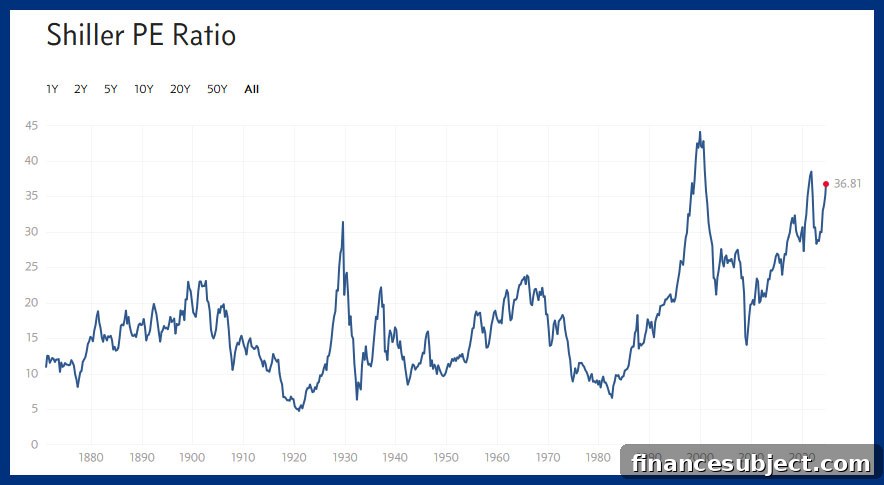
Valuation measures such as the Shiller Cyclically Adjusted Price-to-Earnings (CAPE) ratio can indicate elevated market-wide valuations. A high CAPE ratio implies prices are high relative to long-term average earnings, which may signal increased downside risk if earnings disappoint or sentiment shifts.
Tools
MoneySense’s ETF Screener Tool
The pros and cons for cap-weight index assets
Equal-weighted strategies do reduce concentration, but they introduce other trade-offs. Equal-weight funds typically rebalance periodically to maintain equal exposure, which increases turnover and transaction costs. They also often carry higher expense ratios than the cheapest market-cap-weighted ETFs.
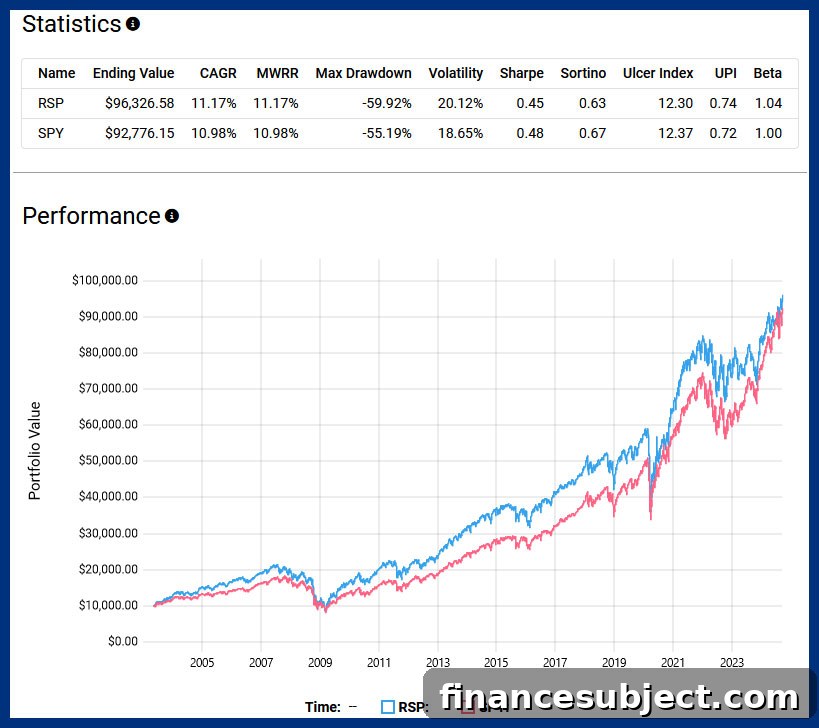
Take the Invesco S&P 500 Equal Weight ETF (RSP) as an example. It typically shows higher turnover and a higher expense ratio than a market-cap-weighted counterpart such as SPY. Although RSP has delivered stronger total returns since its 2003 inception, its risk-adjusted performance—measured by the Sharpe ratio—has not decisively outpaced SPY. RSP has also experienced deeper maximum drawdowns at times, indicating larger peak-to-trough losses during stressed periods.
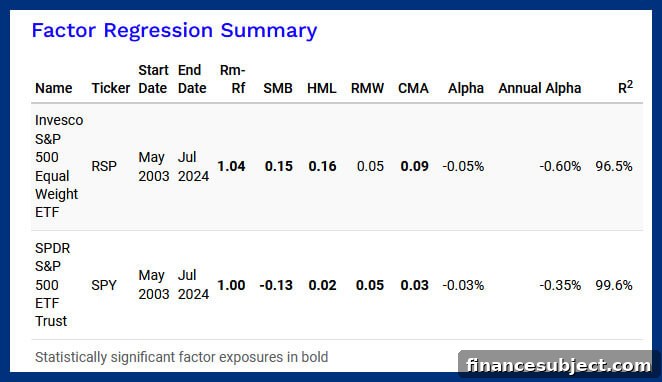
Factor analysis suggests a reason: equal-weighted indices tend to naturally tilt toward smaller, less expensive companies—exposures associated historically with higher returns, but also higher volatility. In other words, some of the equal-weight advantage comes from a size and value tilt rather than the weighting scheme itself. If your objective is to target smaller or value-oriented stocks, it may be more efficient to invest directly in funds that concentrate on those factors instead of adopting a broad equal-weight strategy.
Equal weight versus cap weight: My verdict
On balance, I favor market-cap weighting for most investors because of its simplicity and lower friction. Cap-weighted strategies require fewer active decisions around rebalancing and therefore tend to have lower turnover and lower ongoing fees—traits that support longer-term performance by minimizing costs.
In a frictionless theoretical world, equal weighting makes intuitive sense: it reduces concentration and systematically buys lower-priced names while trimming larger ones. In practice, however, regular rebalancing, higher fees and increased turnover have not consistently translated into superior risk-adjusted returns over the long run.
Another drawback of equal weighting is that it can cut winners short. When a company’s share price rises and its market cap grows, an equal-weight fund will sell some of that holding at rebalance to restore parity across names. In markets where a small number of companies drive a large share of returns, this practice can limit upside by not allowing winners to run.
More on ETF investing:
- Buying ETFs in Canada Tool: The MoneySense ETF Screener
- How to invest tax-free in a bitcoin ETF in Canada
- Is VFV a good buy? What about other U.S. ETFs with even lower fees?
- Bonds vs. GICs: Where to invest your fixed-income dollars
If your primary concern is concentration risk, equal-weight ETFs are a valid option, but they come with trade-offs: higher turnover, greater fees, and different risk characteristics. For investors seeking broad market exposure with minimal cost and complexity, market-cap-weighted ETFs remain a compelling foundation. For those looking to emphasize smaller companies or a value tilt, a targeted factor strategy can be a clearer, more efficient choice than a blanket equal-weight approach.