
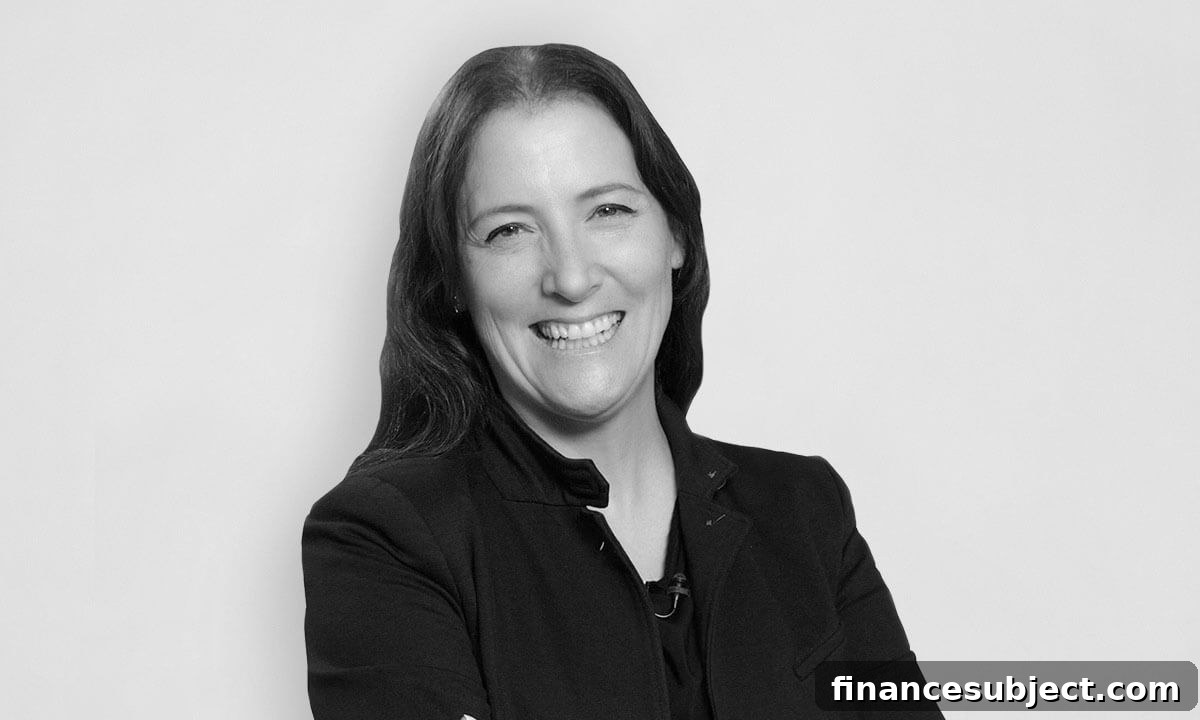
Money isn’t just paycheques, possessions, savings, property or investments—it’s all of those things and more. As editor-in-chief of MoneySense.ca, Lisa Hannam has expanded the editorial team and increased the volume of published content, keeping the site an approachable resource for Canadians at every stage of financial literacy. She ensures every article meets the rigorous journalism standards readers expect from this award-winning publication. With more than 20 years in journalism—covering glossy magazines, daily newspapers and popular websites—Hannam brings deep editorial experience to her role.
Who are your money heroes?
One of the perks of being a finance journalist is meeting a wide range of people—economists, financial planners and everyday Canadians—who share hard-won lessons from their lives and work. As a service journalist who writes how-tos and explainers, I’m always asking myself how a tip or idea can be applied personally. I take a little from every interview and story, and those lessons inform how I approach editing and reporting.
Newsletter
Get free MoneySense financial tips, news & advice in your inbox.
How do you like to spend your free time?
I love reading and writing, and I try to stay physically active. I aim for balance between mind and body—so my free time usually mixes quiet reading or writing with movement and fresh air. It keeps me healthy and focused.
If money were no object, what would you be doing right now?
Ideally, I’d be doing much of what I do now—work I enjoy—but I’d also have the freedom to travel more and explore things I can’t fit into a normal workweek. That said, I suspect I’d get bored after a few months and find meaningful work to do again.
What was your first memory about money?
Sure, there were lemonade stands and asking my parents for treats, but the most vivid lesson came from babysitting. I had a regular weekend gig with a single mother who paid well. Another family once hired me to watch a large group of kids for much less. That experience taught me the value of my time and energy—I never took work from that family again.
What’s the first thing you remember buying with your own money?
Magazines. As a teenager, magazines felt like great value: they offered inspiration on fashion, music and ideas I could reuse many times. I read them cover to cover and admired how editors anticipated readers’ questions. That sense of anticipating and answering readers’ needs is something I try to bring to my work today.
What was your first job?
My first steady job through high school and university was at Kentucky Fried Chicken. With my first proper paycheque I treated friends to dinner at Mother’s Pizza for my birthday—I remember the thrill of being able to pay for that night out.
What was the biggest money lesson you learned as an adult?
I learned about pensions and realized I probably wouldn’t have one in journalism. That pushed me to act: I booked a meeting at my bank to open an RRSP and start saving for retirement. It was a practical wake-up call to take control of my own future.
What’s the best money advice you ever received?
The best advice was to treat time as money. Thinking in hours helps me decide whether a purchase is worth the work required to pay for it. In high school I used my hourly wage to judge purchases; that mindset still helps me make clearer spending decisions.
What’s the worst money advice you ever received?
That I save too much. That advice usually reflected the giver’s discomfort, not my situation. I’ve moved my savings into accounts like RRSPs and TFSAs, and I view savings as a personal choice. Be critical of advice, and consider the source and their motives.
Would you rather receive a large sum of money all at once, or a smaller amount regularly for life?
I’d prefer a lump sum. I already receive regular pay, so a one-time windfall would be a chance to think strategically: where to put the money, what to invest in, and how to make it work over time.
What do you think is the most underrated financial tip or strategy?
Start now. We all say “begin saving and investing early,” but many people delay. Working on tools like a compound interest calculator has reinforced how costly waiting can be. Time in the market matters—don’t wait.
What are the biggest misconceptions people have about growing money?
A common misconception is that people who flaunt spending are necessarily wealthy. In reality, those who display wealth publicly may not have strong financial foundations. Visible spending doesn’t always equal financial health; discretion and steady saving often matter more.
Can you share a money regret?
I don’t dwell on regrets, but I’ve made typical mistakes: impulse purchases, missed payments, and times I could have saved more. Overall, I’m conservative with money and try to learn from those missteps rather than linger on them.
What does the word value mean to you?
Value means new experiences and learning. I’m a “yes” person who likes trying things for the first time. I accept the possibility of failure and prioritize the growth and perspective that come from trying.
What was the first major purchase you made as an adult?
I nearly bought a brand-new car in my early twenties, but I felt pressured at the dealership and realized I didn’t want to overspend. I chose a used version of the same model instead, which felt like a smarter decision in hindsight.
What’s your take on debt?
Attitudes toward debt change with life stage. Early on, taking on loans for cars, homes or weddings can feel overwhelming. Over time you learn that debt is common and, with planning, manageable. Paying it down gradually makes it less intimidating.
What’s your most recent splurge?
A trip to Germany to see the Euros. I’m spending less on trips that felt novel in the past and more on experiences that combine great food, architecture and the chance to recharge.
What was the last money-related book you read?
The most recent money-related reading was the Canadian Securities Course textbook. It wasn’t light reading, but it taught me practical test-taking skills and reinforced concepts I now use professionally.
What is something you always have in your wallet?
My PC Financial World Elite Mastercard. I use it throughout the year and redeem points for groceries during the holidays.
What is your favorite possession?
My home. It’s comfortable and in a neighbourhood I love. Having climbed the real estate ladder, I feel settled—this is my home, and I don’t plan to leave.
What’s your next money goal?
To grow my ETF holdings and take a more active role in managing some of my investments.
Quick Questions
Rent or own?
Both—there’s value in learning from each experience.
Buy or lease?
I prefer buying; I don’t like worrying about mileage limits.
Save or invest?
I saved first, then learned to invest. But both can happen together—saving can be a simpler first step for many.
Budget or not?
I’m not a strict budgeter. I’m a conscious spender who regularly monitors bills, bank accounts and statements.
More from My MoneySense:
- “Get to know and minimize the investing fees you pay”: Michael McCullough, MoneySense consulting editor
- “I have the dream job”: Brian Scudamore on making meaning with your money
- Hina Khan on how to escape habits that get in the way of success
- Ellyce Fulmore is putting the personal back into personal finance