
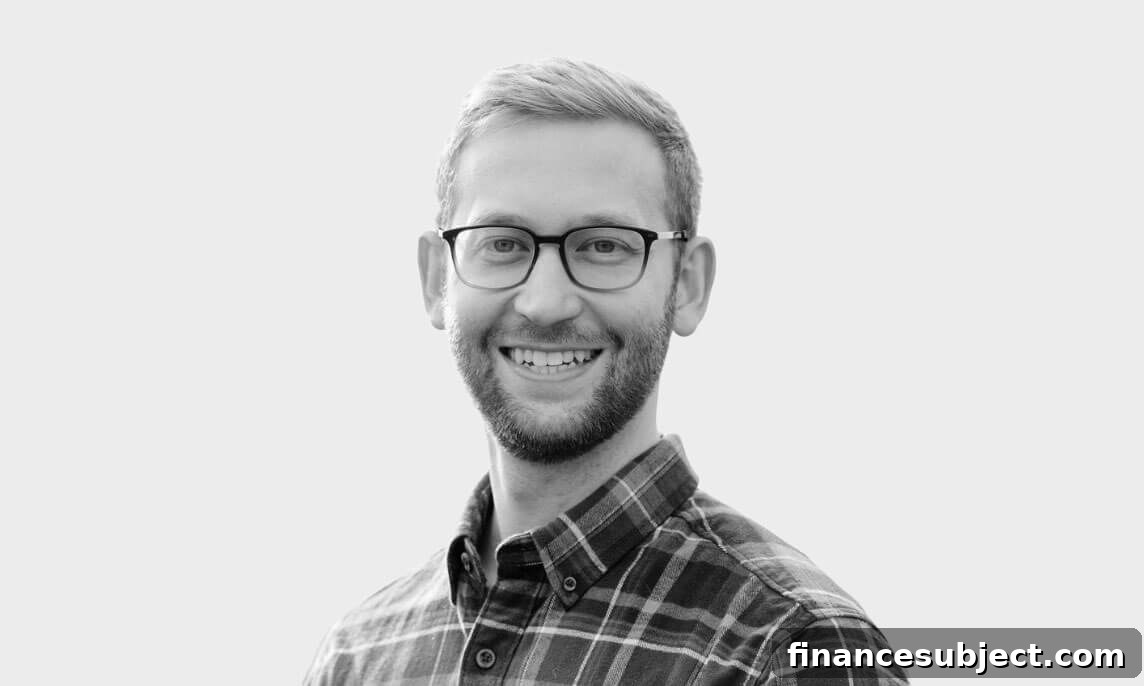
Justin Dallaire joined the MoneySense team three years ago, bringing extensive experience in business reporting. He manages several of the publication’s signature features, including the annual Where to Buy Real Estate list, the first-time home buyer guide, credit card rankings and a wide selection of mortgage and insurance articles. A journalism graduate of Toronto Metropolitan University, Dallaire’s work has also appeared in Strategy, The Walrus, Toronto Life, TVO.org and Broadview.
Below, the busy father of one (two, if you include the dog) shares his thoughts on money advice, financial priorities and lessons learned along the way.
Who are your money heroes?
I admire the people and organizations that help others resolve financial stress, like Credit Canada and the Credit Counselling Society. Those who guide people out of debt or help them avoid harmful money decisions are heroes in my book. Conversely, my money “anti-heroes” tend to be the tech founders whose innovations created new kinds of financial stress for everyday people.
How do you like to spend your free time?
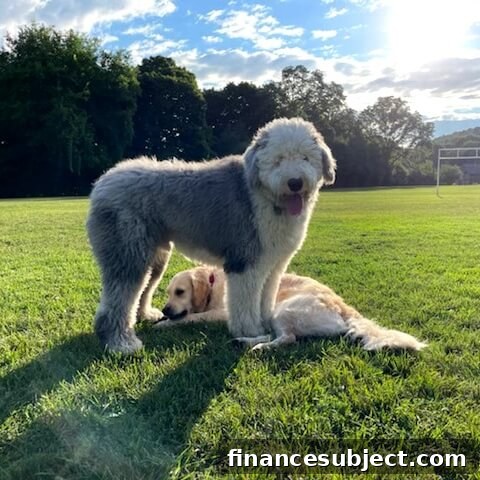
Free time is scarce these days. I joke that I have two kids at home—a daughter, who’s one-and-a-half, and an Old English sheepdog, four and often needier than a toddler. Most of my time off is spent outdoors at playgrounds or dog parks, or managing the inevitable chaos of pets and kids interacting. It’s loud, messy and wonderful.
If money were no object, what would you be doing right now?
I love journalism because it lets me learn continuously and be creative. If I didn’t need to work, I’d probably keep writing and reporting for the joy of it. Equally appealing would be spending time mastering cooking, learning to do home repairs, or pursuing other creative projects without the pressure to make them a career.
What’s the first thing you remember buying with your own money?
Probably Pokémon cards. My brother and I kept a binder full of mint-condition cards. We eventually gave them away, but today those collections would be valuable and are often discussed as alternative investments.
What was your first job?
In high school I worked at several Tim Hortons locations. Later I gave tours and cleaned wineglasses at Château des Charmes winery in Niagara-on-the-Lake, Ontario. Turning 19 made the role more fun because I could serve wine at the tasting bar, and I got pretty good at sounding knowledgeable. Speaking French sometimes led people to assume I was part of the ownership family.
What was the biggest money lesson you learned as an adult?
Don’t assume the financial industry always has your best interests in mind, and question whether broad rules apply to your specific situation. When my wife and I bought our house in 2021, we had a number in mind that felt safe. If we’d simply asked our lender how much we could afford, the answer would have been much higher. The market was near its peak and we stretched our budget. Retrospectively, that risky decision surfaced when interest rates rose in 2022, and it taught me the value of setting limits based on what you can realistically live with—not only what you can qualify for on paper.
What’s the best money advice you’ve ever received?
My mom taught me an important, if simple, lesson: it’s not how much you earn that matters most, it’s how much you save. That idea stuck with me and informs my approach to finances.
What’s the worst money advice you’ve ever received?
Taking an adjustable-rate mortgage as a first-time buyer when the central bank rate was essentially at rock bottom. That advice implied low risk at the time, but in hindsight it increased exposure to rate hikes and didn’t align with our long-term comfort level.
Would you rather receive a large sum of money all at once or a smaller amount regularly for life?
All at once. I still remember saving small tips in a jar at Tim Hortons until they added up to a few hundred dollars; that lump sum felt meaningful. I’d prefer the flexibility and impact of receiving a larger amount upfront.
What do you think is the most underrated financial tip?
Assume you’ll face a cybersecurity incident at some point. Strong passwords are no longer sufficient on their own—breaches often happen through third parties or vendors you didn’t even know were handling your data. I’ve been notified of multiple breaches that weren’t due to personal password mistakes, including an incident involving my SIN. Awareness and proactive monitoring are a crucial first step toward protecting your finances.
What is the biggest misconception people have about growing money?
Many young people think financial life becomes easier with age. That’s not guaranteed. The most expensive years often occur in your 30s and 40s—when people buy homes, raise children and face higher living costs. Because many delay those milestones, costly years can arrive later. Start saving and investing early, so you’re prepared whenever those increased expenses occur.
Can you share a money regret?
Underpricing myself when negotiating my first journalism salary. I hoped a low ask would make me more attractive to employers. It worked—but not in the way I wanted. I’m not a natural negotiator, and that early mistake taught me to be firmer about my value.
What does the word “value” mean to you?
People often say “spend on experiences, not things,” and that can be sound advice—but it assumes basic needs are already met. I prefer a broader view of value that includes durable, well-made goods. For example, clothing can be highly valuable if it’s built to last. The culture of disposability has eroded that value; ideally a reasonably priced T-shirt should endure for years, not months.
What’s the first major purchase you made as an adult?
A used Honda HR-V. It was the first time my wife and I financed something. The car had very low kilometres and that helped keep the purchase affordable.
What’s your take on debt?
Financial success, to me, is living without money-related stress. Debt isn’t inherently bad if it doesn’t cause anxiety for you or your household. People differ in their comfort levels with debt; the key is managing it so it doesn’t undermine your well-being.
What was your most recent splurge?
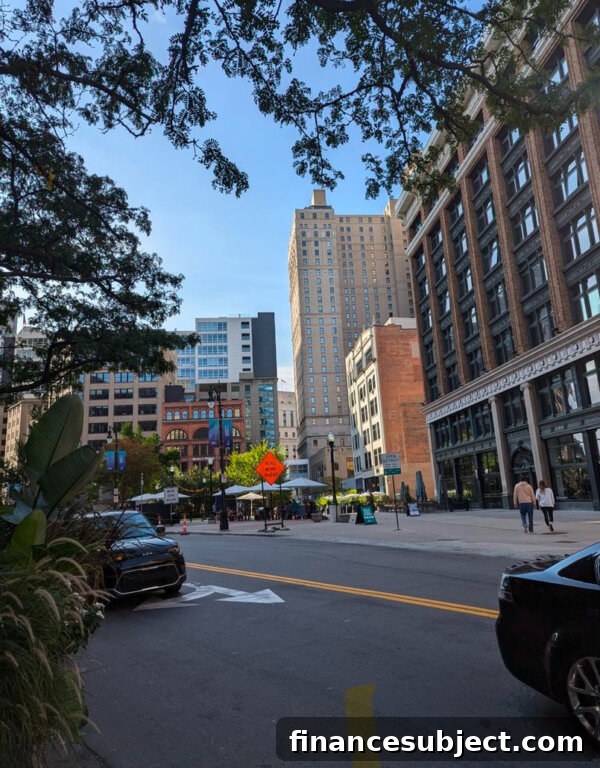
For our wedding anniversary we went to Detroit. We wanted an adventure and treated ourselves to an upscale hotel and nice restaurants. It was refreshing to be child-free for a couple of nights and explore what’s happening downtown.
What is the last money-related book you read?
Fleeced: Canadians Versus Their Banks by Andrew Spence. The book examines why many banking services and financial products cost more in Canada, and why long-term mortgage options common in other countries are less available here. It was a timely read, considering ongoing discussions about the rising cost of living and fees.
What is something you always have in your wallet?
At least one gift card—because I don’t want to miss the chance to use it. Right now it’s a $20 Dairy Queen card I’ve been holding onto for about a year.
What is your favourite possession?
My acoustic guitar. I don’t play much these days, but it sits in the living room and reminds me how much life has changed since the pandemic: no dog, no kid, and more time to play.
What’s your next money goal?
To finally spend that Dairy Queen gift card.
My MoneySense quick questions
Rent or own?
Own—while acknowledging that ownership doesn’t always make you better off financially than renting.
Buy or lease?
Buy.
Save or invest?
Both.
Budget or not?
Budget—but keep it simple. It doesn’t need to be a complex spreadsheet to work.
Newsletter
Get free MoneySense financial tips, news & advice in your inbox.
More from My MoneySense:
- Lisa Hannam on measuring time and money, and more
- Michael McCullough on minimizing investing fees
- Hina Khan on escaping habits that hinder success
- Ellyce Fulmore on putting the personal back into personal finance