
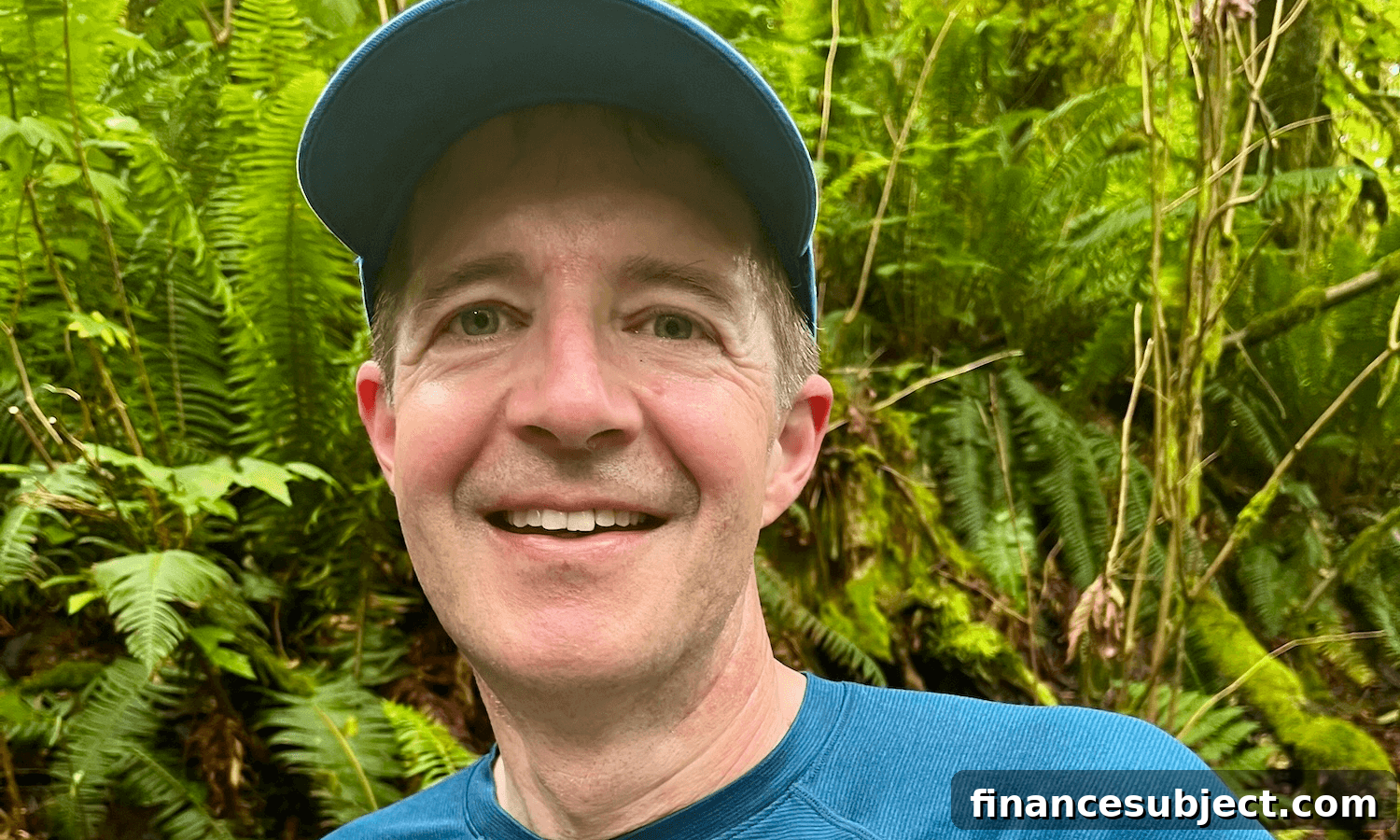
Financial writer and editor Michael McCullough has built a career helping Canadians make sense of a wide range of personal finance topics, from real estate to alternative investments. A contributor and former managing editor at several national publications, Michael writes for MoneySense, The Globe and Mail and BCBusiness, and has previously served as managing editor of Canadian Business and editorial director at Canada Wide Media.
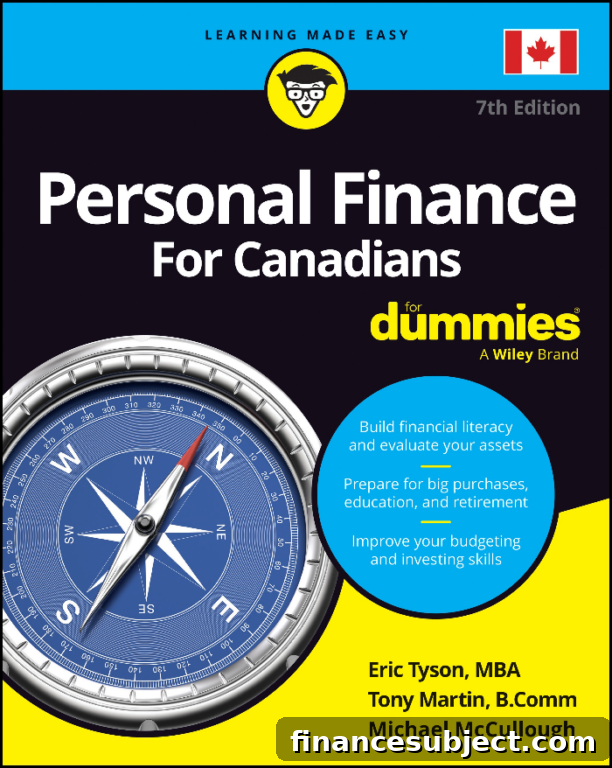
Most recently, Michael helped update the Canadian edition of Personal Finance for Dummies (7th edition), a practical guide that covers budgeting, tax basics, investing and retirement planning. Below, he reflects on his personal money experiences, the financial lessons that shaped him and the advice he considers most underrated.
Who are your finance or investing heroes?
John Bogle is someone I admire. He founded The Vanguard Group and popularized low-cost index funds for retail investors, driven by a desire to empower everyday people rather than just serve industry profits. His book The Little Book of Common Sense Investing is a concise primer on why keeping costs low and sticking to broad-market investments makes sense for most investors.
How do you like to spend your free time?
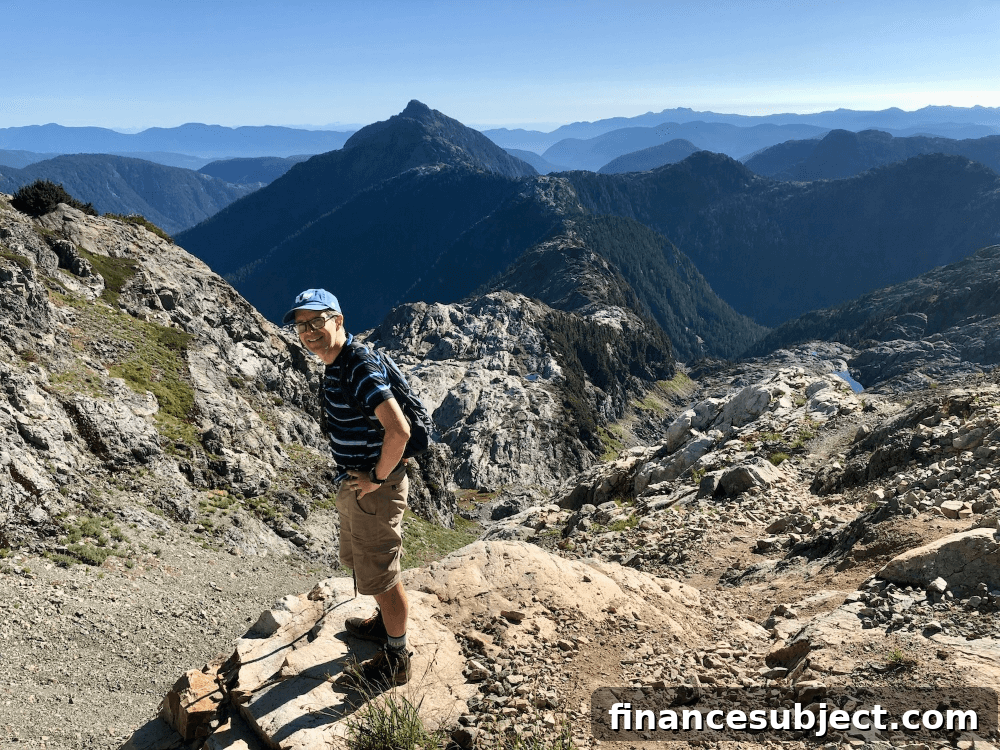
I enjoy cycling, hiking and running. I live in the Cowichan Valley on Vancouver Island, where fantastic trails are literally on your doorstep.
If money were no object, what would you be doing right now?
I’d be travelling more to places I love—Paris, Japan and islands across the South Pacific are high on the list.
What was your first memory about money?
I had a knack for money early on. I saved diligently and even loaned cash to my teenage siblings—at high interest, by today’s standards—during the late 1970s and early 1980s when rates were through the roof. That experience taught me an early lesson about credit risk.
What’s the first thing you remember buying with your own money?
A K-tel compilation record full of one-hit wonders from the 1970s—a guilty pleasure that felt like a luxury at the time.
What was your first job?
I went door-to-door selling service-station coupons on commission. It turned out to be a short-lived hustle—I quit after two weeks.
What was the biggest money lesson you learned as an adult?
At 22 I had a frightening experience in Thailand that ended with me using an emergency credit card my dad had given me. I paid him back over months and learned an important perspective: money is replaceable, and keeping calm and solving the problem matters more than the cost.
What’s the best money advice you’ve ever received?
I grew up hearing that a penny saved is a penny earned. Over time I realised it’s even more powerful: saved money isn’t taxed the way earned income often is, so the value of saving can exceed the face amount of what you earn.
What’s the worst money advice you’ve ever received?
Once, a financial advisor convinced me to buy a managed futures product that didn’t perform. That pushed me toward doing my own investing and being more skeptical about complex products that carry high fees.
Would you rather receive a large sum of money all at once or a smaller amount regularly for life?
I’d generally prefer a lump sum, but the final choice depends on tax consequences and the stability of the income stream offered.
What do you think is the most underrated financial advice?
Pay attention to fees. You can’t control future market returns, but you can control how much of your returns are eaten by fees. Reducing costs is one of the most reliable ways to improve long-term investment outcomes.
What is the biggest misconception people have about growing money?
Many people believe they can consistently beat the market or that market returns won’t be sufficient for their goals. Most investors are better served by a disciplined approach, broad diversification and keeping costs low rather than trying to outsmart the market.
Can you share a money regret?
I regret holding on to mutual funds longer than I should have, even after I knew better. Overcoming inertia sooner would have reduced fees and potentially improved results.
What’s something you don’t mind spending money on that someone else might not?
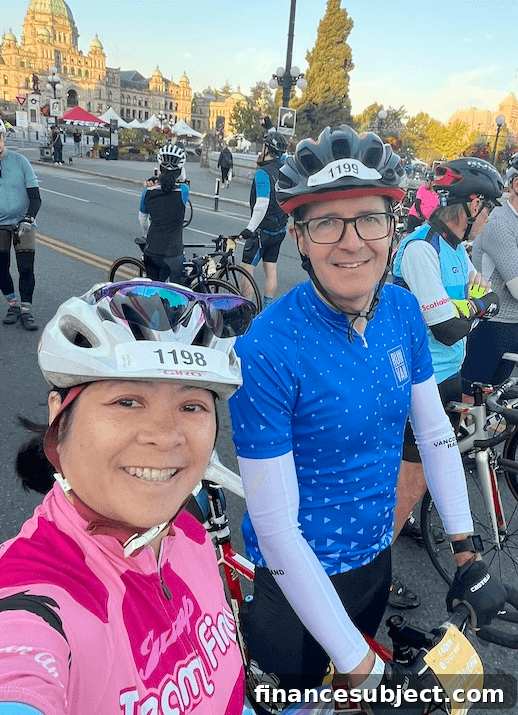
I’ll gladly spend on memorable experiences: a special restaurant meal that broadens your palate or an event that creates lasting memories. For example, my wife and I rode the Tour de Victoria, a gran fondo-style mass ride. It cost about $500 for the two of us, but we expect to value that experience long after the expense is forgotten.
What’s the first major purchase you made as an adult? What purchase took the most time to decide on?
At 27 I bought a one-bedroom condo in a part of Vancouver that felt sketchy at the time. More recently, buying our first new car in our 40s took much longer: we test-drove about 13 models across several dealerships before choosing a Hyundai Santa Fe, which has been a reliable vehicle for more than a decade.
What’s your take on debt?
Avoid interest on depreciating purchases like cars if you can. Mortgages are a different category because homes usually appreciate over time, making the financing decision more complex.
What was your most recent splurge?
We treated a visiting friend who loves wine to a winery tour across southern Vancouver Island. It was an indulgent couple of days—expensive, but far less than flying to Europe and very worthwhile for the memories.
What is the last money-related book you read? What did you think of it?
I helped update the Canadian edition of Personal Finance for Dummies. It’s full of straightforward, practical advice that I plan to give to family and friends, especially those who could be vulnerable to sales pitches and confusing financial products.
What is something you always have in your wallet?
Gift cards for Tim Hortons and Starbucks that I never seem to remember to use.
What is your favourite possession?
My Felt F85 road bike, which I bought used on Craigslist about five years ago. Best $800 I ever spent.
Quick questions
Rent or own?
Own.
Buy or lease?
Buy.
Save or invest?
Invest.
Budget or not?
Not strictly—I track priorities rather than obsessively budgeting.
What’s your next money goal?
Installing new flooring in my home office.
More from My MoneySense:
- “I have the dream job”: Brian Scudamore on making meaning with your money
- Hina Khan on how to escape habits that get in the way of success
- Ellyce Fulmore is putting the personal back into personal finance
- New Money Nate urges followers to invest in themselves
- Kristy Shen on living the FIRE life and using money to “buy back time”