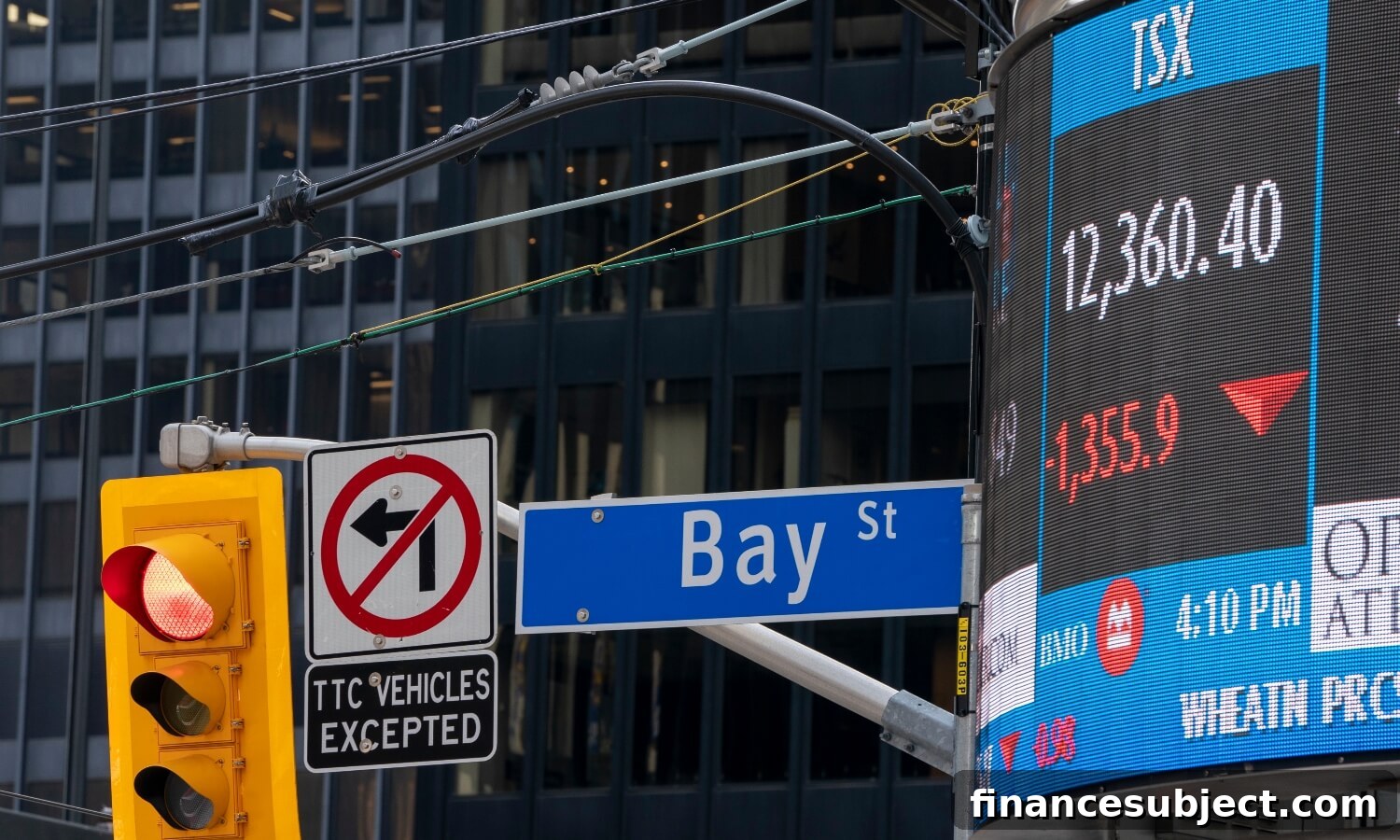
The U.S.-Iran conflict has shaken commodity and equity markets and raised concerns about inflation, but financial advisers warn investors against making decisions driven by fear or headlines. While oil briefly climbed above US$120 per barrel this week and key North American stock indexes slipped, some calming remarks from U.S. leadership eased immediate tensions. Still, as events unfold, many investors are asking how best to position their portfolios.
Emotional reactions hurt portfolios more than headlines
“The biggest mistake investors make usually comes from reacting emotionally to the noise rather than sticking to the long-term plan,” says Nick Hearne, a financial adviser and portfolio manager at RGF Integrated Wealth Management. He emphasizes that emotional responses—selling in panic or chasing ephemeral moves—often do more harm than the geopolitical event itself.
Well-constructed, diversified portfolios are intended to withstand a range of market conditions. Volatility is uncomfortable, but it is a normal and expected part of investing. Staying disciplined through market swings preserves long-term capital and avoids crystallizing losses that could otherwise be temporary.
Earn competitive, tax-free interest on cash held in a TFSA savings account.

Consider a one-year GIC within a TFSA to lock in a guaranteed return for a fixed period.

Evaluate broker platforms to find the one that suits your trading style and fee tolerance.
Why trust us
Our editorial team works with personal finance experts and industry data to explain how financial events affect everyday investors. We draw on research and professional perspectives to provide balanced guidance about preserving wealth and identifying opportunities in volatile markets.
Angelo Kourkafas, senior global investment strategist at Edward Jones, notes that diversification has helped portfolios weather several market rotations that occurred beneath headline volatility this year. “We still remain in a headline-driven market. That’s uncomfortable, but keeping a long-term perspective during these periods is very important because headlines can change in an instant.”
Kourkafas advises investors to avoid “playing geopolitics with your portfolio.” Looking at the past two decades, portfolios that remained invested generally outperformed those that exited markets for extended periods after geopolitical disruptions. History suggests such shocks often have limited long-term effects on broad markets.
He points to past episodes where oil spiked temporarily around geopolitical events: for example, oil peaked about 10 days after the Israel-Iran war in the summer of 2025 and roughly three months after Russia’s 2022 invasion of Ukraine. These examples illustrate how energy prices can jump in the short term but then settle as markets digest the developments.
Kourkafas also highlights structural changes that lessen the vulnerability of North American economies to oil-price shocks. Canada benefits from higher crude prices through its energy producers, and the United States became a net oil exporter in 2019—factors that alter the economic impact of temporary crude price moves compared with earlier decades.
Duration of conflict will shape economic fallout
Analysis from Capital Economics indicates that the economic consequences depend heavily on how long and how destructive the conflict becomes. If hostilities remain confined to a few weeks, global growth, inflation, and monetary policy would likely see only modest effects outside the region. However, if the conflict drags on for months and damages Persian Gulf energy infrastructure, the shock to supply could be severe enough to push the global economy toward recession while sustaining higher inflation and prompting tighter central bank responses.
Inflation remains a key risk to monitor. Encouragingly, longer-term market-based inflation expectations have remained relatively steady even as short-term expectations have risen. This suggests markets do not currently expect permanently higher inflation, but the outlook could change if supply disruptions persist.
If the current hostilities subside within weeks or a few months, markets could return to prior conditions once uncertainty falls. Historically, market pullbacks driven by geopolitical events have sometimes presented buying opportunities for long-term investors who can tolerate near-term volatility.
Volatility offers chances to rebalance, not react
Following multiple years of strong equity returns, the present market swings provide a useful moment for investors to review portfolios and rebalance where appropriate. Rebalancing is a disciplined process: trimming positions that have grown beyond their target allocation and redeploying proceeds into underweight areas. That contrasts with reactive trades made out of fear or short-term speculation.
“Volatility can be a useful moment for investors to rebalance,” Hearne says. He stresses that rebalancing should reflect an investor’s long-term plan, risk tolerance, and time horizon. Thoughtful adjustments—such as taking profits on outsized gains and increasing exposure where allocations have lagged—help maintain the desired risk profile and can take advantage of lower prices created by temporary market stress.
Investors should also consider their personal circumstances: investment goals, liquidity needs, tax considerations, and the timeframe for planned withdrawals. For many, maintaining a diversified mix of stocks, bonds, and cash, and rebalancing periodically, remains the most reliable approach to navigating episodic market shocks.
Get free financial tips, news & advice in your inbox
Sign up for regular updates to receive disciplined guidance on investing, saving, and planning for the future.
Read more about investing:
- Stock news for investors: Goeasy shares plunge nearly 60% after lender suspends dividend
- Moving to the U.S.? Your locked-in RRSP may not be as locked in as you think
- When will the Bitcoin bear market end?
- How to spot and avoid illiquid ETFs