
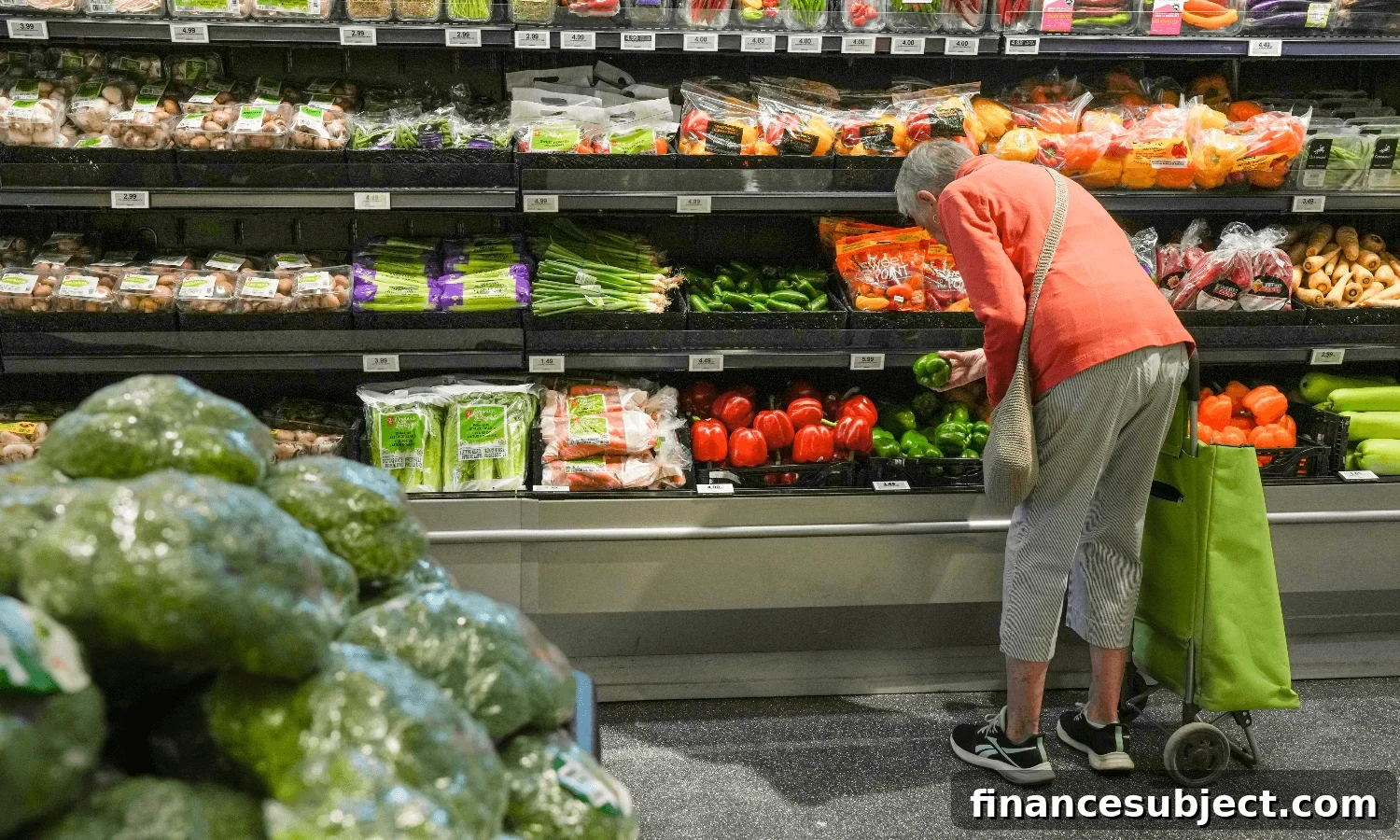
Many Canadians say they’ve changed the way they shop for groceries in recent years, driven largely by high inflation and, for some, a growing unease with large national chains. Shoppers report being more deliberate about what they buy, comparing prices and planning trips around store flyers and promotions.
“We’ve really cut back on impulse buys. And we’ve really taken to, let’s not have the deep freeze full, let’s not have the fridge full, let’s not have the pantry full,” said Alberta resident Robin Dingwell.
He and his wife now prioritize stores that price-match and check flyers before they shop. “Price-matching has been the biggest thing for us,” he added.
Across the country, consumers describe similar habits: scanning promotions, timing shopping trips to coincide with sales and choosing stores or products that offer better value.
Hamilton resident Alison Forde says she shops more frequently so she can take advantage of short-term specials. She looks for store-brand alternatives, compares package sizes and unit prices in-store, and evaluates whether name-brand items really justify the extra cost.
“Store-brand products might come in a bigger size than the name brand,” she said. “But when you calculate the cost per gram or per millilitre, it can still be the better deal. People will say, ‘It’s only a 20-cent difference,’ but it adds up.”
Shoppers switch stores or travel farther to find better deals
To stretch their food budgets, some Canadians are changing where they shop. Major grocers have noticed this trend and expanded discount banners to capture price-conscious customers. Others are willing to travel farther, visiting multiple stores in a single shopping trip to take advantage of varying promotions. A growing number of shoppers are also choosing to support independent, locally owned grocers.
Craig Treulieb of Kitchener says he no longer does all his shopping at Superstore. Instead, he divides his purchases between discount chains like Food Basics, local independents and bulk-buying at warehouses such as Costco. He has even signed up for a weekly farm vegetable box to supplement what he buys in stores.
“We used to not be super concerned about shopping deals and generally found Superstore’s prices to be OK, good enough. And it was convenient doing one shop,” Treulieb said. Now he takes a little more time to shop around.
In Vancouver, Michael Ianni grew frustrated with prices at his nearby Safeway and started walking farther afield to explore independent grocers. “I go and take a nice stroll on Commercial Drive, and I find other stores, and there’s sometimes cheaper prices or comparable,” he said. For him, supporting small businesses feels better, and he often finds solid deals.
Ianni also keeps a running list of staple items and tracks which stores offer the best prices on each, turning the process into a bit of a scavenger hunt.
Diet adjustments and other strategies to save
Some shoppers have made small but effective changes to what they buy and how they prepare food. Treulieb has reduced meat consumption, switched from canned to dried beans, and cut back on snack items like chips and candy as those prices have risen.
Forde says baking and cooking at home more often helps her manage food costs. She’s expanding her backyard garden to grow corn, potatoes and squash, and is considering learning preservation techniques to extend the harvest.
Boycott and frustration with big grocers spur shopping shifts
For some Canadians, changing grocery habits is also a conscious response to the months-long boycott of Loblaw-owned chains that began as a protest against high prices and corporate profits. While the organized boycott initially ran for a month, some participants say they’ve continued to avoid those stores indefinitely.
Liz Parker, who lives downtown in Toronto, said the boycott inspired her to explore smaller grocers nearby. She finds many local stores competitive or even cheaper than national chains, though she admits shopping around is easier in good weather. She still occasionally shops at a Loblaw-owned store, but most of her groceries now come from a nearby independent grocer she prefers.
Ianni recognizes the social pressure to shop consciously but notes that budget realities can complicate those choices. “At the end of the day, we have to make ends meet,” he said. “Sometimes it’s tough to make those calls, but I certainly do the best I can.”
Newsletter
Get free MoneySense financial tips, news & advice in your inbox.
More about grocery shopping:
- The cost of the average grocery bill in Canada—and how to lower yours
- From groceries to flights to data plans: Why is Canada so expensive?
- CIBC Costco Mastercard review: Is it really the best card to use at Costco?
- Is food inflation squeezing your budget? Using credit card rewards to help manage costs
- Inflation and food costs are rising, but so is food waste