
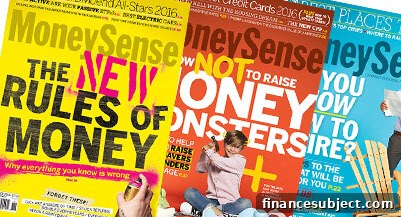
OK — you’ve probably heard that MoneySense is fully embracing the digital era. That means our print magazine will conclude publication at the end of the year. It’s a significant moment, and while I’ll miss the ritual of holding the glossy issue (and the kids drawing a Dali mustache and rabbit ears on my photo on page 4), the change reflects how readers consume financial information today.
The magazine has always been a labour of love, with carefully designed pages and in-depth storytelling. Yet the reality is our present and future are overwhelmingly digital. Online content is more accessible, instant, and easier to update than a printed issue — and it doesn’t get creased by the coffee pot. Many readers already interact with our stories on the web, and a growing share of print subscribers never pick up the physical copy. If subscribers have questions about these changes, please consult your account information or subscriber support for details.
Going forward, you can expect the same mission that MoneySense has always honoured: to explain money clearly and help readers build and protect their wealth. Our cover story this issue, “New Rules of Money,” exemplifies the kind of practical guidance we will continue to offer online.
I still remember opening an RRSP decades ago with a few hundred dollars and being taught a useful, simple rule: at a modest historical average total return of about 8% a year, the stock market could be expected to double roughly every nine years. That rule guided long-term saving and planning for many years. Today, many strategists suggest tempering expectations to 6% or even as low as 4% going forward. At a lower rate your investments can still double, but it may take twice as long.
That expectation shift matters for anyone planning retirement, saving for a home, or working toward other long-term goals. Lower forecast returns affect how much you need to save and how long you must remain invested. Likewise, a prolonged period of very low bond yields changes the role fixed income plays in a diversified portfolio. Traditional allocation rules that relied on predictable returns from bonds and equities need to be revisited in light of today’s environment.
Real estate adds another layer of complexity. In markets where home prices have risen sharply — many Canadians in Toronto and Vancouver are familiar with this dynamic — homeownership has become both an investment and a cash-flow challenge. Rising mortgage costs and stretched household budgets mean some homeowners are unable to invest outside their primary residence, eroding the classic advice of keeping housing costs below a certain percentage of income and maintaining diversified assets. If you find most of your net worth tied up in your house, it’s worth taking a careful look at contingency plans and ways to manage liquidity and risk.
Not all the rule changes are negative. New registered accounts such as TFSAs offer flexible, tax-advantaged savings that make old advice about stuffing cash into low-interest “rainy day” accounts less compelling. We should also view greater longevity as a complex but generally positive trend: living longer is something to plan for, not fear. It may mean working part-time for longer, rethinking retirement timing, or adjusting how we draw down savings, but it isn’t inherently a catastrophe.
As we complete this transition from print to digital, our objective remains the same: provide clear, actionable personal finance guidance that helps Canadians make better decisions. Expect practical how-tos, thoughtful analysis of investment and tax rules, and guidance on budgeting, insurance, and retirement planning. Our format may change, but the commitment to helping you understand money and build long-term financial security will not.
More from MoneySense:
- Canada’s Best Dividend Stocks
- Three scenarios where term life insurance is a must
- Time to revise your financial plan