
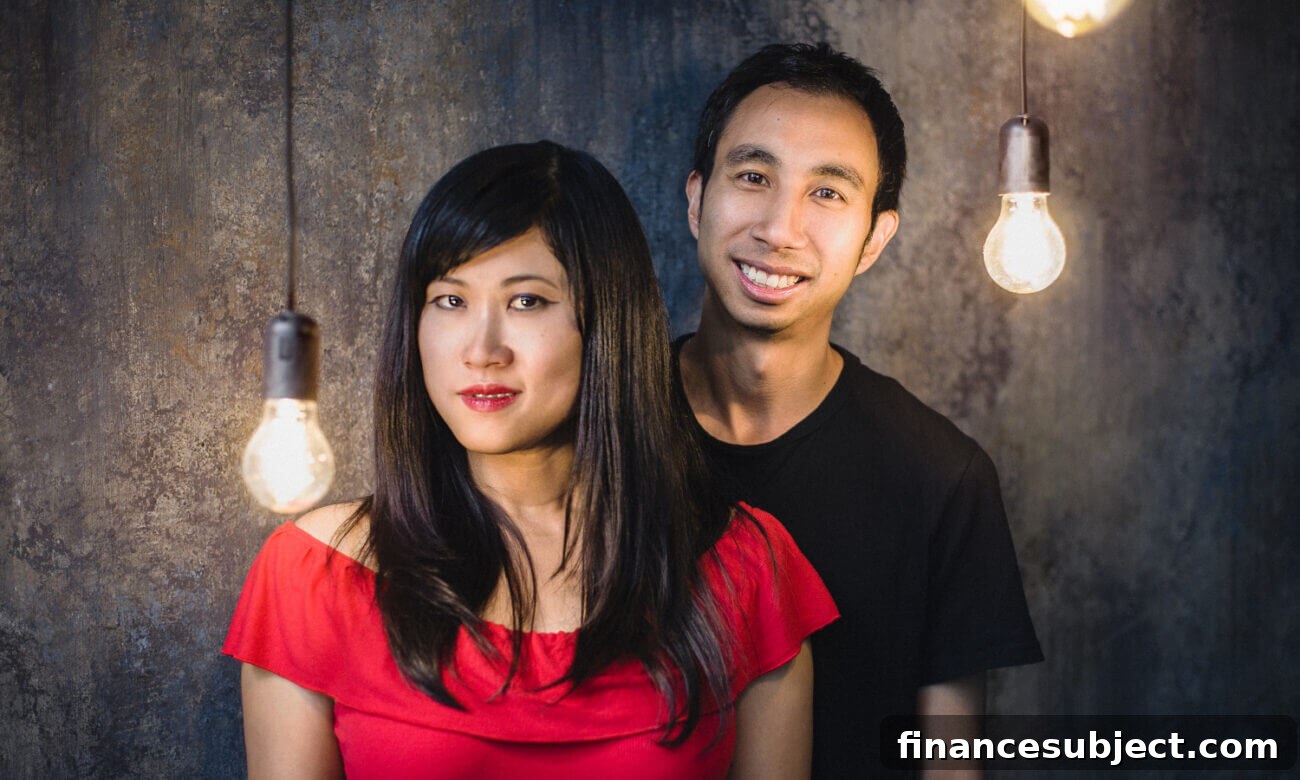
In their early 30s, Kristy Shen and Bryce Leung left high-paying software engineering careers to travel the world. The Toronto-based couple had saved roughly $1 million, and rather than follow the conventional path of buying a home, they packed their suitcases. They chronicled their adventures and outlined their investing approach on the blog Millennial Revolution. In 2019 they published the book Quit Like a Millionaire: No Gimmicks, Luck, or Trust Fund Required, a practical guide to pursuing a FIRE (Financial Independence, Retire Early) lifestyle. In this profile, Kristy Shen shares her financial influences, key lessons, spending habits, and the principles that helped them retire early.
Who are your finance heroes?
Warren Buffett is at the top of the list for his long-term investing wisdom, particularly his advocacy for index funds, which form the backbone of our passive investing strategy. His decade-long bet demonstrating that a simple index fund can outperform many active managers remains a powerful lesson in favor of low-cost, diversified investing.
Two other major influences are Mr. Money Mustache and JL Collins, author of The Simple Path to Wealth. Mr. Money Mustache introduced us to the practical application of frugality and the 4% rule for estimating how much you need to retire (annual expenses × 25). JL Collins reinforced the value of index funds as an effective way to build a diversified portfolio without trying to pick individual winners.
How do you like to spend your free time?
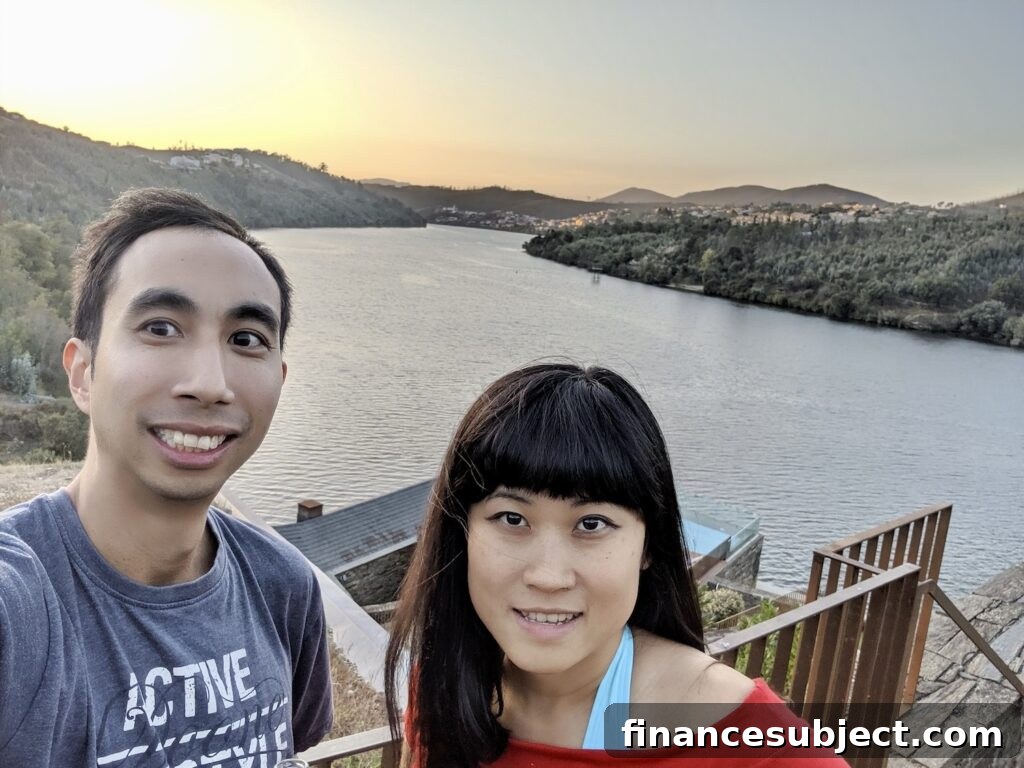
We spend our free time traveling with friends, climbing mountains, and writing. Since retiring, Bryce and I have visited more than 50 countries and are currently exploring Australia and New Zealand. We’re also working on a follow-up book to Quit Like a Millionaire.
If money were no object, what would you be doing right now?
We’re already close to that ideal: traveling, climbing, writing, and spending time with friends and family. Retiring early gave us control over our schedule, letting us prioritize meaningful experiences and relationships instead of trading all of our time for income.
What was your earliest memory about money?
My earliest memory was being handed a can of Coke by my father when we first arrived in Canada. I was eight years old. At the time, Coke was a rare luxury where we came from, and the experience made me realize how abundant things felt in Canada. That small act taught me that currency unlocks access to comforts and choices.
What’s the first thing you remember buying with your own money?
My first independent purchase was a poutine when I was in grade seven, earned from a summer job at a friend’s family restaurant. It tasted like freedom and was my first direct experience of earning and spending my own money.
What was your first job?
At eight years old I delivered newspapers in Waterloo. I gave my small earnings to my parents, who used them to help with household supplies. Even then, I learned the connection between work, money, and family responsibilities.
What was the biggest money lesson you learned as an adult?
Money is a tool, not a measure of self-worth. Once you accumulate enough, you can use money to buy back time—time to travel, support family during crises, and focus on relationships. We discovered this in our late 20s and were able to retire in our early 30s. That regained time has proven to be the most valuable return on our financial decisions.
What’s the best money advice you’ve ever received?
Invest to build a passive income stream, primarily with index funds. Index funds combine many individual companies into one diversified investment that tracks a market index such as the S&P 500 or the TSX. Because they hold broad baskets of stocks, they reduce single-company risk and include a natural turnover mechanism: failing companies drop out and are replaced by stronger companies. Over time this diversification makes it unlikely your portfolio goes to zero unless the entire market collapses.
Index funds also generate dividends and interest, providing a dependable income without selling shares. This enables a buy-and-hold strategy that produces passive income for retirement without trying to time the market. We offer a free, step-by-step investment workshop on our blog that explains how to build the kind of portfolio that enabled our early retirement.
What’s the worst money advice you’ve ever received?
“You must buy a house.” In Canada, homeownership is often treated as mandatory, but that mindset pushed many people into unsustainable debt at inflated prices. I observed that some people who followed the traditional path—taking on large mortgages and high expenses—were more stressed, not less. Don’t accept financial advice simply because it’s popular; look at the outcomes and whether those outcomes match the life you want.
Would you rather receive a large sum all at once or smaller amounts regularly for life?
I prefer the smaller, regular amounts for life. That’s essentially what investing a lump sum in income-generating assets like index funds achieves: converting capital into a stable, ongoing income stream.
What do you think is the most underrated financial strategy?
Time in the market beats timing the market. Long-term investing and consistent exposure to the market’s growth matter far more than trying to jump in and out based on short-term news or sentiment.
What is the biggest misconception people have about growing money?
That you need to be exceptionally smart or mathematically gifted. Basic high-school math and consistent, disciplined investing are more than sufficient. You don’t need a PhD to build wealth; you need patience, low-cost tools like index funds, and a long-term mindset.
Can you share a money regret?
Early in my career I spent heavily on designer handbags. I bought and stored more than I needed, even considering a larger living space just to hold them. That phase taught me that possessions don’t bring lasting happiness—experiences do.
What does the word “value” mean to you?
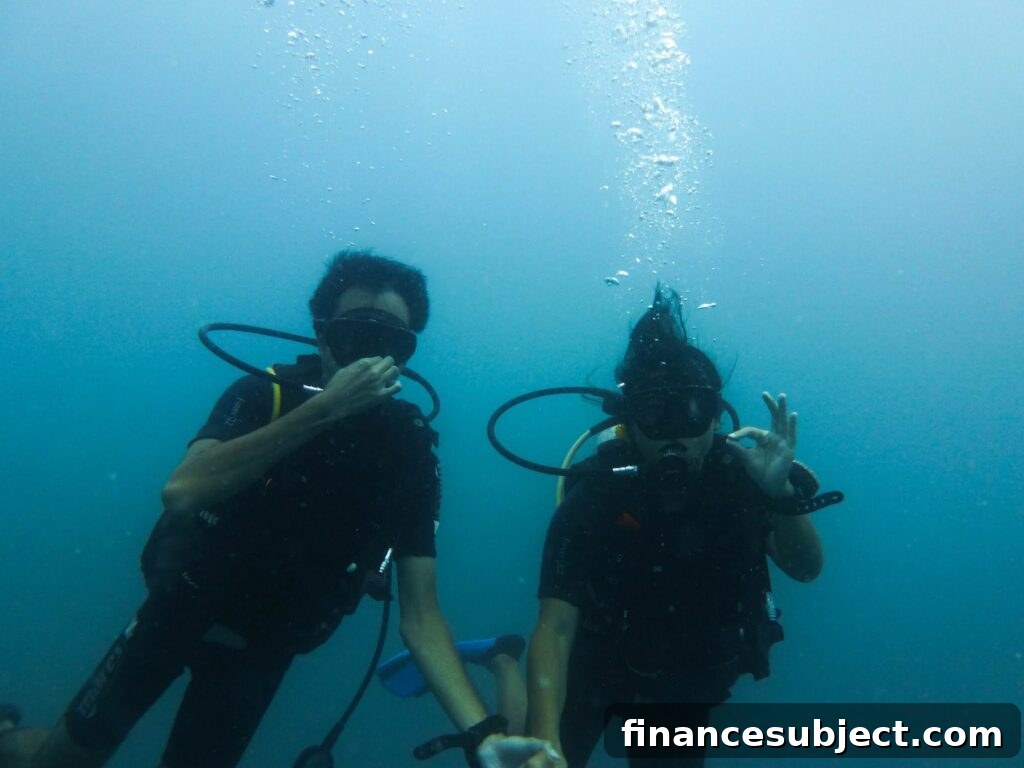
Value for me centers on experiences, particularly travel. I minimize spending on transportation where possible—I don’t own a car and rely on public transit—but I invest in memorable experiences like scuba diving in the Galapagos or Thailand. Those moments create lasting memories and personal growth.
What’s the first major purchase you made as an adult?
Our first Caribbean cruise. It was my first trip with Bryce, and although I couldn’t swim then, the experience motivated me to learn and deepened my love of travel.
What’s your take on debt?
Debt can be toxic, and mortgage debt is particularly risky because it’s normalized. Rising interest rates can quickly make mortgage payments unaffordable for many. Treat debt with caution and understand the long-term implications before taking it on.
What was your most recent splurge?
Business-class flights from Toronto to Singapore, booked with frequent-flyer points. It was the first time we could fully lie down on a plane—an unforgettable travel upgrade paid with loyalty rewards.
What is the last money-related book you read?
Die With Zero by Bill Perkins. While I don’t agree with every idea—particularly anything that encourages unnecessary debt—I appreciated the book’s reminder to balance saving with living well before health or mobility limit your options.
What is something you always have in your wallet?
Credit cards that earn travel points. Sign-up bonuses and targeted shopping through airline or bank portals can quickly accumulate enough points for long-haul business-class flights. With a couple of well-chosen cards and flexible scheduling, you can access excellent award availability.
What is your favourite possession?
My smartphone. It keeps me connected to family and friends while we travel and is essential for planning, navigation, and documenting experiences.
What’s your next money goal?
After reaching our first million in our 30s, our next target is a second million in net worth during our 40s. We’re currently about 85% of the way there and expect to reach it within a year or two, assuming market conditions remain reasonable.
My quick preferences on money
Rent or own?
Rent. It gives us mobility and lets our capital remain invested rather than tied up in a single property.
Buy or lease?
Lease. Our motto is “buy your freedom, rent the rest.” When we lived in Toronto we used car-sharing services instead of owning a vehicle—less cost, less hassle, and more flexibility.
Save or invest?
Invest. Cash savings are important for emergencies, but to grow wealth and generate passive income you need to invest.
Budget or not?
Yes—budgeting is enjoyable for me. I like spreadsheets and deliberate planning, and budgeting helps align spending with values and goals.