

My dealership posts an hourly labour rate of $145, but the actual rate to service the brakes on my 2019 Toyota Camry hybrid equates to $173. I am wondering if this is common practice and is it legal?
I brought my Toyota in for servicing yesterday at 1:40 p.m. The work was completed, and the car was ready by 5 p.m. In other words, the car was in service for approximately three-and-a-half hours. The total labour charge for these four services is $605.15. When you divide this by the posted hourly rate of $145, this equates to 4.2 hours of work.
When I reviewed my repair invoice, the hourly labour cost of $145 (not including HST) was charged as follows:
- Maintenance service – labour total: $152.05
- Balance 4 tires – labour total: $93.95
- 4-wheel brake service – labour total: $210
- Brake fluid flush – labour total: $149.15
My question is, why am I being charged $173 an hour ($605 for three-and-a-half hours) rather than the posted rate of $145? If a shop is charging a predetermined amount for each type of service, then why post the hourly rate on the invoice? I don’t believe this is good customer service.
I was surprised when the shop recommended a brake flush on a three-year-old car with such low mileage—it has just 19,700 kilometres! With my previous car, a 2007 Camry Hybrid, which I brought to this shop for 12 years, a brake flush had never been recommended over the 178,000-kilometre period that I owned it. I have been told that brake fluid can last as long as the vehicle. Similarly, I questioned the necessity for the four-wheel balance since I was not experiencing any wheel vibration or uneven wear on four-year-old winter tires with 7,068 kilometres on them.
I should add that the Toyota dealership where I took my car has changed ownership over the past two years. Previously it was locally owned and I was very satisfied with the service; the owner was there every morning checking to make sure things were going well for customers. Now in this era of acquisitions, more and more of these local dealerships are being bought out by external conglomerates. After the new ownership group took over, very few of the former staff and workers remained; I’m not sure if they were let go or quit. Some reviews of this dealer group are negative.
–J.S.
How dealerships charge for car repairs
Most franchised dealerships use a flat-rate billing system for labour. Rather than billing strictly by the minute, they assign a predetermined labour allowance to each repair operation. That estimate covers the time needed for the mechanic to bring the vehicle into the bay, diagnose the issue, locate tools and parts, do the work, and complete basic cleanup. For routine maintenance and small jobs, the flat-rate time for each task can add up quickly when multiple items are on the same invoice.
In your case the four billed items likely required removing wheels multiple times:
- Wheels removed for balancing (charged $93.95)
- Wheels removed for the brake service
- Wheels removed again for general maintenance or inspection
- Possibly removed another time for the brake fluid flush
Although the technician may have completed all tasks in two to two-and-a-half hours of clock time, the flat-rate allowances for each operation produced a larger billed total. In flat-rate shops, mechanics are paid to bill a set number of productive hours per week; that leads to billing more hours than the literal clock time spent on a particular vehicle.
Is it legal for auto repair shops to bill for more time than they spent working on your car?
Flat-rate billing is widely used and has been upheld in cases where customers approve estimates. Regulatory attention varies by jurisdiction. Some consumer watchdogs and surveys have shown that billed labour can exceed the actual clock time for many common jobs. The Automobile Protection Association (APA) and other consumer groups have documented cases where shops billed significantly more time than the actual measured work required.
Shops that use flat-rate guides generally defend the system because it offers predictable estimates and protects customers from being penalized for slower technicians or for work that becomes difficult due to seized fasteners. Critics say flat-rate billing can be opaque and may incentivize practices that boost billable hours.
How do car repair shops arrive at their estimates?
Dealers and many repair shops subscribe to commercial labour guides that list standard times for common operations. Those guides are sometimes conservative or padded for certain repairs, and some allow adjustments when several tasks overlap. Service advisors are responsible for applying the guide times and making reasonable adjustments; in practice, this varies by shop.
Because of these differences, comparing posted hourly rates between shops is not always a reliable indicator of the final labour charge. Facilities that bill by actual clock time may charge less overall than flat-rate dealer shops, even if their posted hourly rate is similar.
Were you overcharged for the services performed?
Brake fluid flush
Brake fluid can absorb moisture over time, which reduces its boiling point and can affect braking performance. Some manufacturers, including Toyota for certain models, recommend replacing brake fluid on a schedule (for your hybrid Camry, Toyota recommends replacement every three years). For hybrids, keeping brake fluid fresh can be an important preventive step.
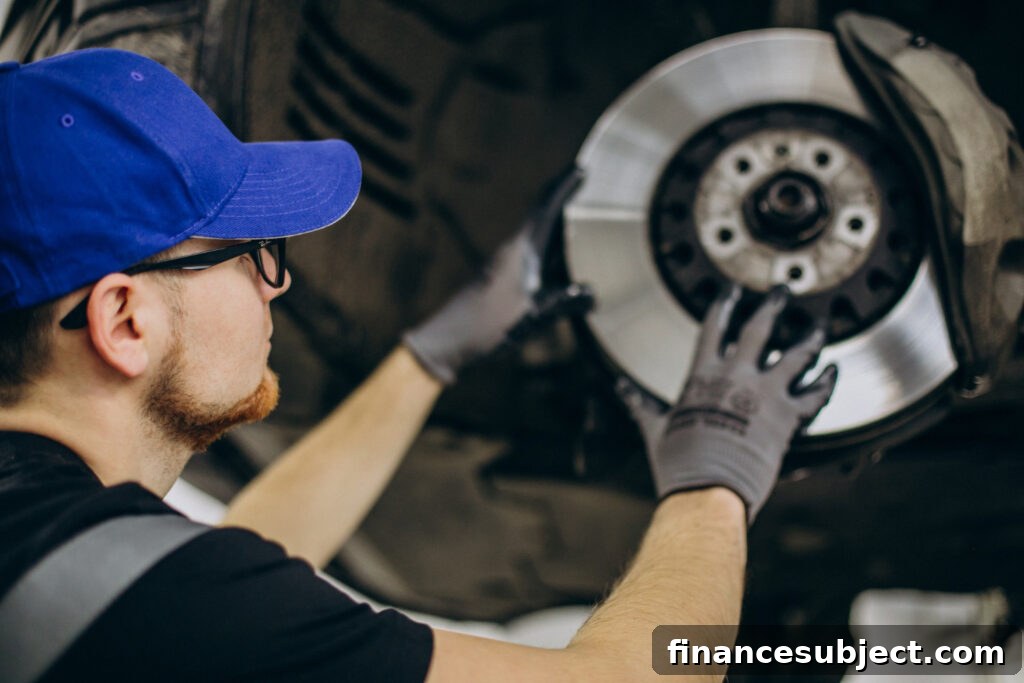
Brake caliper service
On hybrids and electric vehicles, regenerative braking does much of the slowing, so conventional brake components can sit unused and are more prone to corrosion and seized caliper guide pins. A caliper service that cleans and lubricates guide pins and pad hardware is a common preventive maintenance item intended to avoid much more expensive rotor or caliper replacement later. This service is widely recommended for hybrids as preventive maintenance.
Wheel balancing
Balancing is normally recommended when tires have accumulated significant mileage or if the driver reports vibrations. With only a few thousand kilometres on your winter tires and no vibration complaint, a four-wheel balance was likely not strictly necessary. Some tire shops automatically balance wheels when rotating if more than a set number of kilometres have passed since the last balance; that policy reduces callbacks but can add modest cost.
In conclusion, the services you were recommended are generally defensible—particularly for a hybrid vehicle—but the total price charged appears high relative to typical shop pricing in many markets. Pricing differences across dealerships and regions are common.
Why dealerships and service practices are changing
Independent owner-operated dealerships have been consolidating into larger dealer groups. New ownership often brings different back-office systems, sales incentives and commission structures for service advisors. Those changes can increase pressure to recommend additional revenue-generating services and may result in higher staff turnover and shorter institutional memory about past customer relationships.
Can you dispute your repair bill?
Yes. When customers complain, many shops will review internal labour records and sometimes offer a partial adjustment, a discount on labour, or a complimentary service to resolve the issue. If labour charges are clearly excessive, a customer may be able to pursue a more formal reduction through consumer protection channels or small claims court, depending on the jurisdiction and the circumstances.
Practical steps to manage repair charges:
- Get multiple estimates: Call or visit other dealerships and independent shops for comparative pricing on the same scheduled maintenance items.
- Check your owner’s manual: Confirm the manufacturer’s recommended intervals and required services so you can challenge unnecessary recommendations.
- Ask questions up front: Request a clear breakdown of labour allowances and the reason each service is needed before authorizing work.
- Consider independent shops: Smaller independent repair shops often have lower overhead and may bill by actual clock time, which can lower costs for routine maintenance.
George Iny is the Executive Director of the Automobile Protection Association (APA), a consumer advocacy group based in Canada. If you remain unsure about your bill, contact a local consumer protection office or a motoring consumer group for advice on disputes and next steps.