
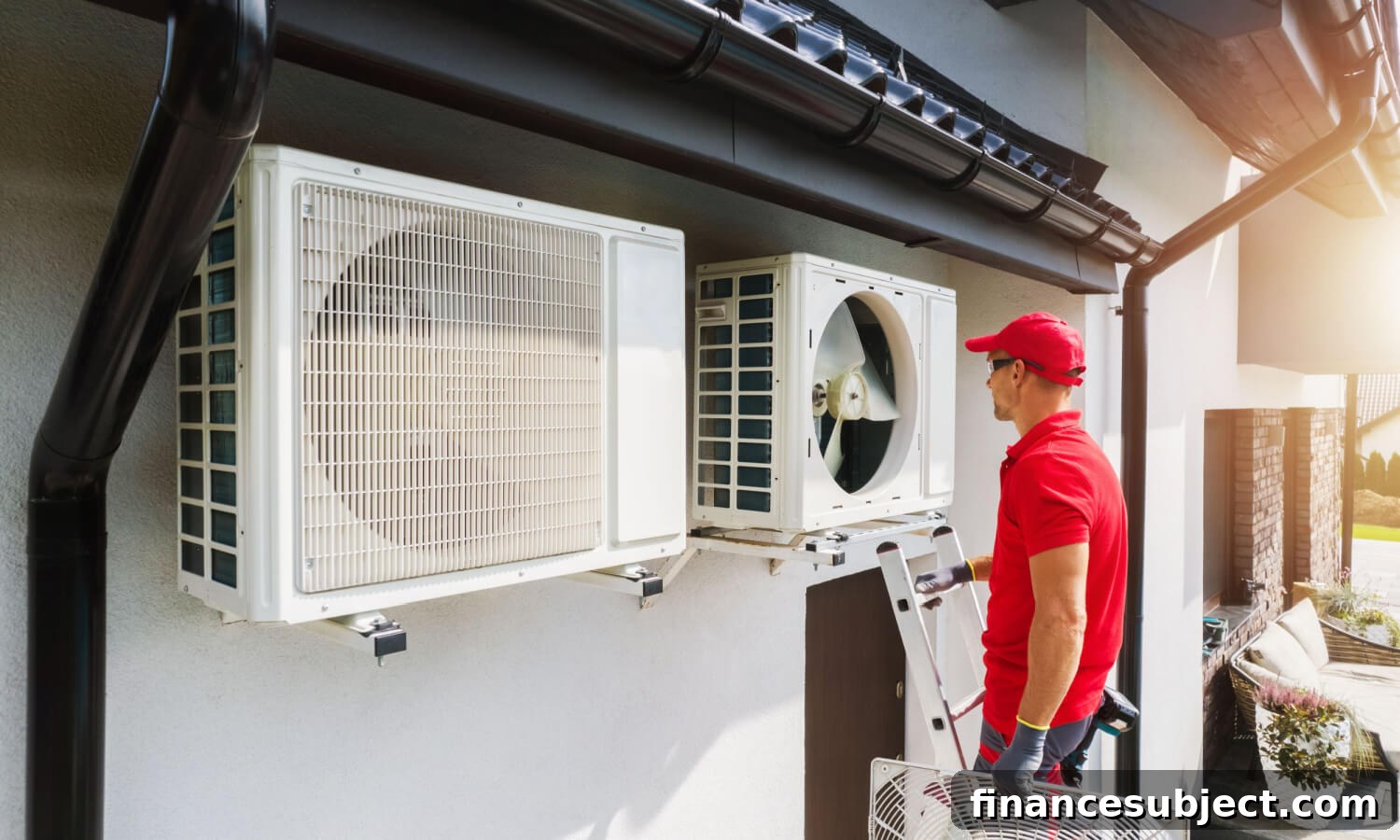
Should your next furnace be a heat pump? Or, more precisely, should your next heating and cooling system be a heat pump? A heat pump can both warm and cool your home, making it a year‑round HVAC solution.
Although heat pump technology dates back to the 19th century, widespread consumer awareness has only increased in recent years. Misconceptions persist—chief among them the belief that heat pumps don’t work in cold climates. Yet modern heat pump designs, especially cold‑climate models, are engineered to perform well at very low temperatures. Recent studies show heat pumps can outperform gas heating even in cold weather, and they typically run on electricity rather than fossil fuels. That makes them a compelling option for households looking to improve energy efficiency and reduce emissions.
Why adoption varies: Canada vs. Europe
Despite growing interest and improving technology, Canada’s uptake of heat pumps has lagged behind many European countries. In 2023, only a small percentage of Canadian homes used heat pumps, while countries such as Norway, Sweden and Finland reported far higher penetration rates. One key reason for this difference is energy pricing: when gas and electricity costs rise, consumers have a stronger incentive to switch to more efficient heating and cooling systems. Policy choices, financial incentives and public awareness also influence adoption rates.
Government support and incentives
In Canada, federal programs have accelerated interest in heat pumps. Since the launch of the Canada Greener Homes initiative in 2021, tens of thousands of homeowners have received grants for retrofits, with heat pumps ranking among the most common upgrades. Although the original Greener Homes grant has closed to new applicants because funds were exhausted, other federal programs are available.
One example is the Oil to Heat Pump Affordability Program (OHPA), launched in 2024. It offers grants for households replacing oil heating with heat pumps and includes enhanced funding in partnership with several provinces. Eligibility typically requires proof of recent oil use and income thresholds that vary by province. These targeted incentives aim to reduce greenhouse gas emissions and support the transition away from oil heat in regions where it remains common.
Types of heat pumps and how they work
There are two main categories of residential heat pumps: air‑source and ground‑source (geothermal). Air‑source heat pumps extract heat from outdoor air in winter and reject indoor heat outdoors in summer. Ground‑source systems draw heat from the ground or groundwater and often deliver higher efficiencies, though they come with higher installation costs.
Heat pump systems are also differentiated by how they distribute conditioned air. Central ducted systems use existing home ductwork, while ductless mini‑split systems consist of an outdoor unit and one or more indoor wall‑mounted units—ideal for homes without ducts. Heat pumps can be installed in many condos and apartments when a standalone system is used, but whole‑building HVAC setups depend on decisions made by building managers or condo boards.

Performance and efficiency
Cold‑climate air‑source heat pumps (ccASHPs) account for a large share of purchases in colder regions because they are designed to operate effectively at subzero temperatures. Leading manufacturers now offer units that produce heat from outdoor air even when temperatures drop well below freezing.
Energy efficiency ratings help you compare units. Look for Energy Star certification where available; certified units are typically more efficient than uncertified models. Key performance specs include heating capacity at low outdoor temperatures and Seasonal Energy Efficiency Ratio (SEER) for cooling performance. A higher SEER indicates less electricity is required to cool a space, though higher SEER models generally cost more up front.
Cost considerations
Installed costs for heat pumps in Canada vary widely depending on the type of system and the complexity of installation. Ductless mini‑split units sit at the lower end of the price range, while geothermal systems can be substantially more expensive. Factors that influence pricing include home size, system type, local installation rates and equipment brand.
While heat pumps can have higher upfront costs than conventional furnaces or baseboard heating, their greater efficiency often reduces operating costs over time. Incentives and rebates can improve the economics of a switch. Homeowners should also consider the energy performance of the home itself: better insulation and air sealing reduce heating and cooling demand and increase the value of an efficient heat pump installation.
Is a heat pump right for your home?
Deciding whether a heat pump is the right choice depends on several factors: your current energy bills, the layout and insulation of your home, available incentives, and whether you prefer to reduce your carbon footprint. Modern heat pumps are proven in cold climates and can be combined with existing systems—hybrid setups pair a heat pump with a gas furnace to provide reliable performance during extreme cold spells.
Before installing a system, consider a professional energy audit and a pre‑retrofit assessment from a certified technician. An “envelope‑first” approach—improving insulation and air sealing before installing new equipment—maximizes the benefits of any heating and cooling upgrade.
Looking ahead: smarter, colder‑climate ready systems
Heat pump technology continues to advance. Variable‑speed inverter compressors improve cold‑weather performance and efficiency, while emerging smart controls and AI‑driven systems promise to optimize operation by learning household patterns and improving comfort while minimizing energy use. These innovations will make heat pumps an increasingly attractive option for homeowners seeking efficient, year‑round climate control.
More about home renovations
- How much are solar panels in Canada?
- How much does a backup power supply for your home cost?
- Multigenerational Home Renovation Tax Credit: what it is and who qualifies
- Are home renovations tax deductible in Canada?
- What expenses can you deduct when renovating a rental property?
- What you need to know before starting a home renovation