
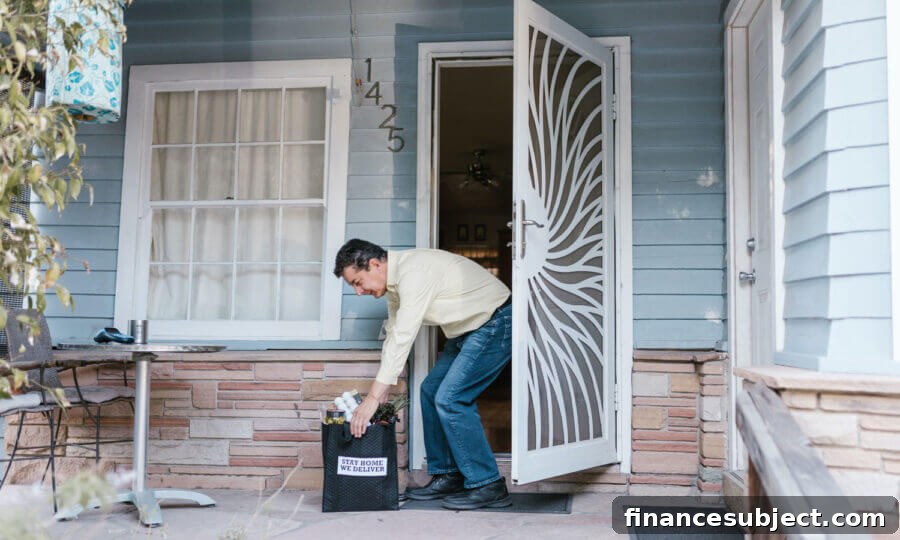
We know we pay for convenience. Compare the low price of a jar of spaghetti sauce at a supermarket with the higher cost at a corner store, and the markup is obvious. When the COVID-19 pandemic forced many of us to stay home, curbside pickup and online grocery shopping became mainstream. For many Canadians, convenience and safety outweighed the effort of finding the perfectly shaped sweet pepper in person.
Online grocery and food delivery saw a dramatic surge during the first lockdown in 2020. Sales in April that year were 107% higher than in February, according to Statistics Canada. That momentum persisted through rolling closures and re-openings as consumers increasingly adopted delivery and pickup options.
Data from PayPal Canada’s 2021 Consumer Shopping Study shows the pace of change: 19% of Canadians shopped for groceries online in March 2020, rising to 30% in April 2020, and reaching nearly half (49%) by June 2021. The report also found that Ontarians were the most likely to shop for groceries online, with 36% reporting online grocery purchases compared with 24%–30% in other provinces.
The boom in demand led to far more delivery options than before. Where choices were once limited to a few urban grocers or premium nutrition services, consumers can now summon a driver to pick up groceries through apps, order from national chains, or buy from smaller local stores that pivoted to home delivery. Meal kits, grocery chains’ own e-commerce platforms, and third-party delivery apps all expanded rapidly to meet demand. For tips on paying less with card rewards, consider the best credit cards to use for groceries in Canada.
To understand whether paying for grocery delivery is worth it, I spoke with Sylvain Charlebois, professor and director of the Agri-Food Analytics Lab at Dalhousie University. We covered the size of the delivery trend, the kinds of providers now in the marketplace, delivery costs, tipping, and what to avoid ordering online.
How big is the trend for food and grocery delivery in Canada?
“Every food and delivery company is learning how to reach consumers where they already are rather than waiting for customers to come to them,” Charlebois explains. Pre-pandemic convenience meant ready-to-eat packaging and on-the-go food; during COVID, convenience also became about reducing public health risk and staying home. His lab’s analysis suggests that by 2025, a significant share of Canada’s workforce will regularly work from home, which will likely reduce meals eaten at coffee shops and business lunches, and sustain higher demand for grocery delivery and prepared-food delivery services.
What types of companies can we order food from? There are grocers, meal kits and transportation services. What else?
“The food distribution world is a mix of retail and service, both online and in stores,” Charlebois says. “There’s an omni-channel approach: grocers are integrating meal kits, e-commerce investment is strong, and services range from ghost kitchens and meal kits to curbside pickup and last-mile delivery. Even processors are acting like restaurants—this pandemic has democratized the supply chain. You can now use your phone to order prepared meals from major packaged-food brands in some markets.”
What are ghost kitchens?
“A ghost kitchen is a delivery-only facility—often located where land costs are low—without dine-in space or counters. Everything is prepared for delivery through apps like Uber Eats or SkipTheDishes. Multiple menus or styles can operate under one roof with minimal branding, and sometimes local restaurants collaborate to run these kitchens. The rules that guided food service before COVID have evolved, and grocery shopping habits have changed sharply as a result.”
How much does food delivery cost in Canada? I’ve read that in the U.S. the premium for convenience is about 25%.
“It’s difficult to pin a single percentage on grocery delivery because price depends on order size and the service used,” Charlebois notes. For large orders—say, 50 items—the delivery premium might be closer to 10% or less if the service charges a flat fee. With Instacart, for example, a typical premium might be $5 to $7 depending on location; some cities have a fixed delivery fee regardless of order size. In some markets the same-day delivery fee can be under $4 for orders above a minimum threshold.
“Consumers are willing to pay fees or memberships for the convenience of home delivery,” he adds, “but a blanket 25% surcharge would be equivalent to a major food inflation spike and would be a significant added expense for most households.”
What grocery and food delivery services do you like?
“Instacart is very convenient,” Charlebois says. “They’ve improved their service: shoppers text to confirm items and substitutes rather than guessing, and the overall process is more organized than it was early in the pandemic. Grocery chains like Sobeys operate integrated services—Voilà, for instance, uses a branded fleet and fulfillment network—whereas Instacart is an app-based intermediary that subcontractors deliveries for multiple retailers.”
The effect of inflation on groceries and gas
Rising inflation and higher fuel prices have affected both grocery prices and delivery costs. Delivery platforms have responded by adjusting prices or adding temporary fuel surcharges to retain drivers. Charlebois expects fuel costs to influence overall food prices unless fuel prices fall. Higher input costs translate to higher shelf prices, which customers will notice whether they shop online or in person.
Even as fees rise, Charlebois notes that delivery still makes sense for many—especially those balancing hybrid work and at-home schedules—but the pool of consumers who can afford ongoing convenience options may shrink as living costs rise.
How much do you pay for a “more sophisticated” food delivery service like that?
“Premium fulfillment services can cost more—sometimes $8 or $9 for delivery,” Charlebois says. He points to automated, high-speed fulfillment centers used by some retailers, which can rapidly fill large orders with minimal human interaction and are impressive from an efficiency standpoint.
Do I tip for grocery delivery?
“Tipping varies by service,” Charlebois explains. Apps typically prompt users for a tip and set clear expectations. For prepared-food delivery from restaurants, tipping is common. With meal-kit providers like HelloFresh or Goodfood, tipping is generally not expected because these are subscription kits rather than on-demand courier deliveries.
Can you get lower-quality food from delivery? What should we buy and not buy online?
Many consumers worry about quality because they can’t personally select produce or inspect expiry dates. “When you shop in person, you choose for freshness—you might pull a dairy item from the back of a shelf to get a later expiration date,” Charlebois says. Online shoppers can mitigate this by using services that allow real-time shopper communication or substitution approval. That said, categories such as fresh produce and meat remain areas where some shoppers prefer to pick items themselves.
Would you save money ordering online because you’re not tempted to make impulse purchases?
“Not necessarily,” Charlebois warns. Food prices have risen since the pandemic began—meat, bacon, eggs and other staples have shown notable increases—and online prices are often higher than in-store. Surveyed shoppers report using flyers, coupons, and private-label brands to cope with inflation; online versus in-store choice did not emerge as a primary coping strategy in his team’s research.
What about comparison shoppers and coupon clippers—how can they make the most of this type of service?
“You won’t always save as much online as you would by shopping in person,” Charlebois says. Grocers are still learning how to balance online margins and customer value, so many advertised in-store deals remain more attractive. To save money, use apps that surface discounted items—platforms like FoodHero or Flashfood highlight reduced-price items nearing their best-before dates—but those bargains typically require pickup rather than delivery.
Read more on Strategic Shopping:
- What supply chain issues mean for holiday shopping this year
- Video: How to buy a used car
- The best store credit cards in Canada right now
- How much Canadians spend on skin care—what to splurge on and what to save on