
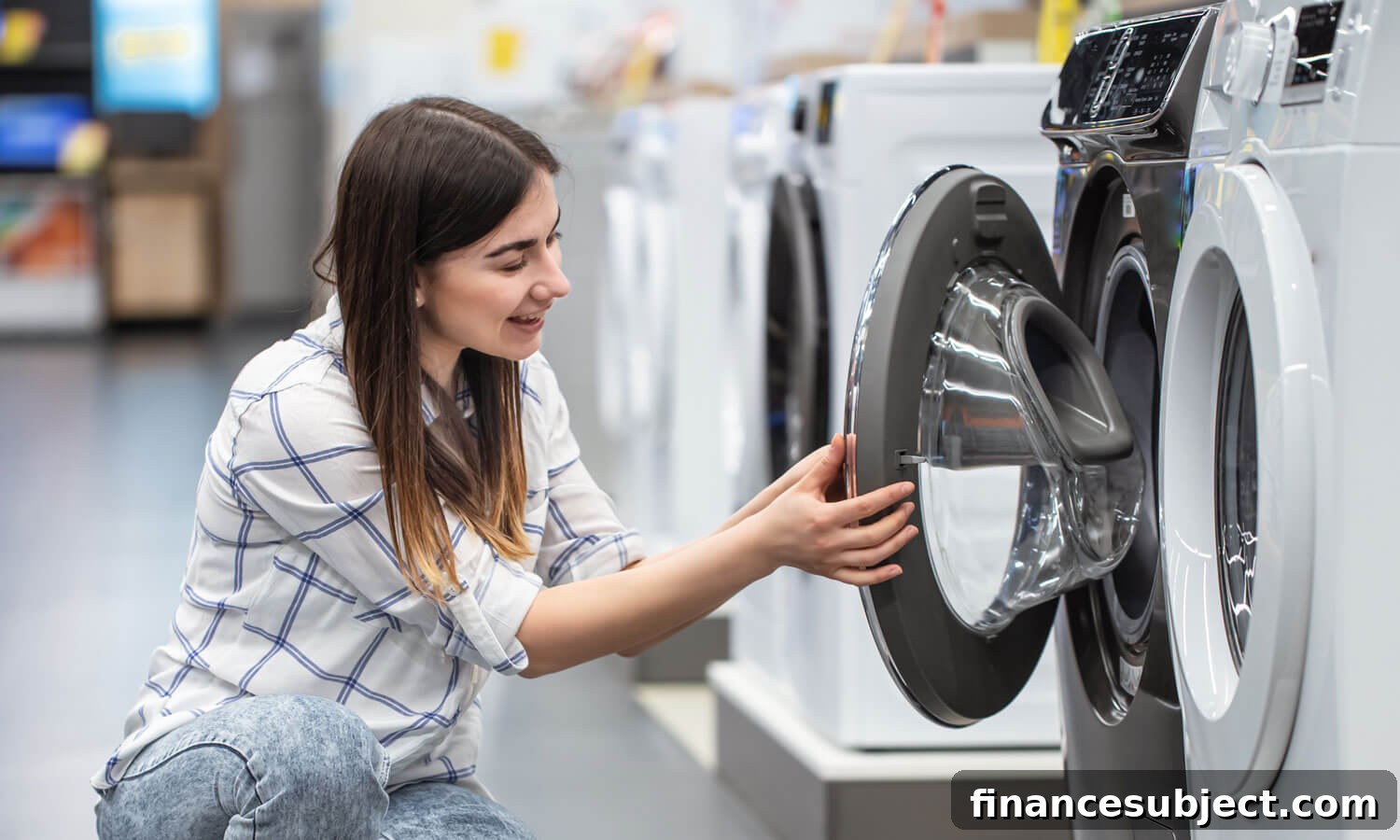
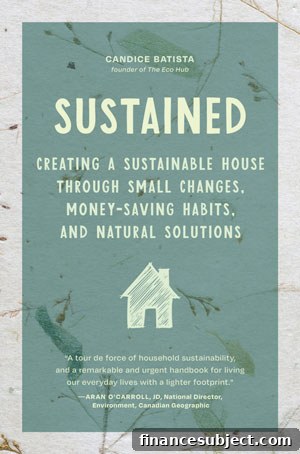
Sometimes saving money and protecting the environment go hand in hand—often because less waste and lower production costs reduce both expenses and impact. In this excerpt from her book Sustained: Creating a Sustainable House Through Small Changes, Money-Saving Habits, and Natural Solutions (Mango Publishing Group, February 2024), Candice Batista explains how choosing the right washer and dryer can benefit both your household budget and the planet. The book is available at amazon.ca and Chapters Indigo.
Drying clothes consumes a substantial amount of energy—many dryers use five to ten times more power than washing machines. Newer technologies, however, are closing that gap. Heat-pump dryers, for example, recycle warm air and use far less electricity than traditional models, making them a smart eco and cost-conscious choice.
How to choose an energy-efficient washing machine
Switching to an energy-efficient washing machine can reduce both your utility bills and environmental footprint. Most of the energy used in laundering—about 90%—goes to heating the water. With the average household doing nearly 300 loads a year, choosing a washer with cold-water settings, a smaller drum option, and shorter cycles can yield significant savings.
Eco-friendly machines can cost more up front, but a well-built washer typically lasts seven to ten years, giving you years of lower water and energy bills. These models are often quieter and gentler on fabrics. Unlike traditional top-load washers with agitators, many efficient models are front-loaders; they typically use about 45% less energy and 50% less water.
Things to consider when shopping for an eco-friendly washing machine
Does it save water and energy?
Not all machines labeled “eco-friendly” perform the same. Compare models before you buy. Energy Star–certified washers are a reliable standard; they report metrics such as the Integrated Modified Energy Factor (IMEF) and the Integrated Water Factor (IWF). IMEF reflects the energy used for spinning and heating, while IWF estimates gallons of water used per cubic foot of drum capacity. A lower IWF indicates better water efficiency; a higher IMEF indicates better energy efficiency. The Energy Star site provides tools to compare brands and models, and the yellow EnergyGuide label on appliances helps estimate and compare energy use.
Is it secondhand?
Buying a used energy-efficient washer can be an excellent choice. It preserves the benefits of lower water and energy use while avoiding the emissions and resource use tied to manufacturing and transporting a new unit. If you can find a well-maintained secondhand model, it’s worth considering.
Does it have certifications to back it up?
Watch for greenwashing. Look for credible certifications like Energy Star and other third-party endorsements. Some certified models also offer steam cleaning, which removes bacteria and dust mites and can be beneficial for people with allergies—reducing the need for harsh detergents.
What do reviewers say?
Check customer reviews for real-world feedback. For front-load washers, a common complaint is that they can develop mildew or odors if not properly cared for. That’s manageable with regular cleaning using a non-toxic cleaner and by leaving the door slightly open between cycles to let the drum dry.
Does the company report emissions transparently?
If corporate sustainability matters to you, consider brands that publicly report their greenhouse gas emissions and sustainability practices. Transparent reporting on scope 1, 2, and 3 emissions can be an indicator of a company’s broader commitment to reducing its environmental impact.
Is it the right size?
Select a drum capacity that matches your household’s needs. Larger drums use more water and energy per load, so don’t buy oversized equipment if you run small loads frequently. Conversely, a family that does lots of laundry may benefit from a larger capacity.
Am I buying to buy?
Remember the environmental cost of manufacturing and shipping a new appliance. If your current washer can be repaired cost-effectively, repairing is often the greener option. Only replace a machine when it’s beyond repair or inefficient to operate.
Will it need replacing soon?
Review warranty and repair policies before purchasing. From an environmental perspective, choosing a machine that can be repaired and maintained prolongs its life and reduces waste. A quality washing machine should serve you for seven to ten years with proper care.
What about dryers?
Dryers are major energy users. When evaluating options, consider these points:
- Certification matters: Look for Energy Star–certified dryers to ensure strong energy performance.
- Size: Choose drum capacity to match your typical loads. Oversized drums can waste energy on small loads; compact units suit smaller households better.
- Vented or ventless: Vented dryers exhaust moisture outdoors; ventless models condense moisture into a reservoir or drain. Ventless units are an option where venting isn’t practical.
- Electrical requirements: Some electric dryers require dedicated plugs or circuits. If replacing an existing unit, the current setup may already be compatible.
- Gas versus electric: Because natural gas leaks can release potent greenhouse gases, many people prefer electric dryers. Advances in electric heat-pump and compact ventless technologies have reduced the performance gap with gas models.
And now practical tips for using your dryer efficiently: the most energy-saving move is often to avoid using it when possible—air-drying uses no electricity and can extend garment life. If you do use a dryer, clean the lint filter after every load to maintain airflow and efficiency and reduce fire risk. Prefer dryers with moisture sensors—they automatically stop when clothes are dry, saving energy and preventing over-drying.
Load size and composition matter: avoid overfilling, which blocks circulation, and don’t mix very wet items with partly dry ones. Sort loads by fabric thickness so lighter items dry quickly and heavier items get sufficient time. Running loads back-to-back takes advantage of the machine’s residual heat and reduces overall drying time.
Bonus steps for a greener wash
- Sort laundry by fabric type as well as color to protect shape and color.
- Learn clothing care symbols to choose the best washing and drying settings.
- Avoid tumble drying delicate fabrics like linen and silk to prevent damage.
- Skip ironing when possible—ironing uses significant electricity.
- Line-dry clothes or remove them promptly from the dryer while warm to reduce wrinkles.
- Choose fabrics that resist wrinkling for low-maintenance wardrobes.
- Service machines regularly to keep them running efficiently.
- When using a dry cleaner, look for nontoxic methods such as wet cleaning; avoid cleaners that use perchloroethylene (PERC).
- Time your laundry to off-peak hours to save on energy costs—typically before late afternoon or after evening peak times.
- Use concentrated detergents and refillable containers to cut packaging waste and reduce chemical use.
Even small adjustments in how we wash and dry clothes can add up. Sustained living is about creating lasting, balanced habits that reduce environmental impact while saving money. Thoughtful choices about appliances, maintenance, and daily routines all contribute to a more sustainable home.
Excerpted from Sustained: Creating a Sustainable House Through Small Changes, Money-Saving Habits, and Natural Solutions by Candice Batista. Copyright 2024 by Mango Publishing Group. Batista is also the founder and editor-in-chief of The Eco Hub.